The Whistling Frogs of Barbados Sing at Night
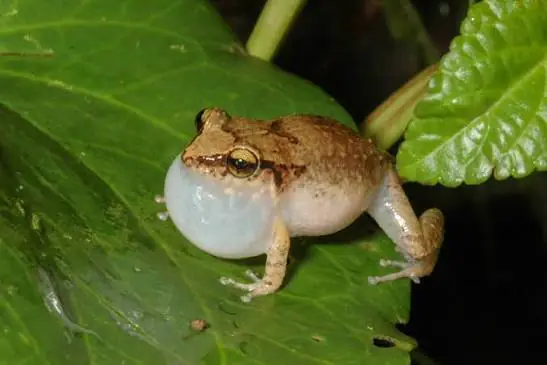

A Barbados evening has its own soundtrack. As the last light slips behind the cane fields and the trade winds settle around a garden wall, a small voice starts up: clear, bright, and surprisingly persistent. For anyone wondering about the whistling frogs of Barbados, the music of the night is one of the island’s most memorable natural encounters – and it usually happens right outside your door.
You may hear them from a hotel garden, a villa terrace, a countryside chattel house, or a quiet lane near the island’s lush interior. They are tiny, often invisible, and absolutely not shy about making themselves heard. Once you recognize their calls, a warm Bajan night never sounds quite the same again.
The whistling frogs of Barbados after dark
The frog most visitors are hearing is commonly known as Johnstone’s whistling frog, Eleutherodactylus johnstonei. It is a small Caribbean frog with a big set of lungs, especially when a few males begin calling from nearby leaves, cracks in stonework, flowerpots, or low garden vegetation.
Their whistle is not a polished birdsong or a single, distant note. It is a lively chorus that can rise, overlap, pause, and begin again. One frog calls, then another answers from a few yards away. After rainfall, when the air is humid and the ground holds moisture, the performance can become positively theatrical. The little fellows may be hard to spot, but they have no trouble claiming the stage.
Like much of Barbados, this sound holds more than one story at once. The island is known for sunshine, sea, and open coastal views, yet its night life is also shaped by gardens, gullies, old plantation lands, village yards, and damp pockets of green where small creatures thrive. Listen carefully and the frogs reveal a quieter Barbados – one that many visitors miss between dinner and the next beach day.
Why do they whistle so loudly?
The nightly calling is mainly the work of male frogs. Their calls help announce territory and attract mates. What sounds to us like a cheerful neighborhood concert is serious business in frog terms: a declaration that says, in effect, “I am here, this is my spot, and I have something to say about it.”
Warm temperatures and moisture make a difference. Barbados has a tropical climate, but not every evening produces the same chorus. A dry, breezy night may be relatively quiet. After a shower, however, the sound can carry from one garden to the next. During the wetter months, visitors are especially likely to notice the calls as soon as dusk arrives.
They are part of a wider eastern Caribbean story rather than a species found only on Barbados. Johnstone’s whistling frogs occur on several Caribbean islands and have also spread farther through the movement of ornamental plants and garden materials. Here, they have become a familiar feature of island evenings, particularly in planted, sheltered spaces with cover and moisture.
A frog with no tadpole chapter
One detail that makes these frogs especially interesting is how they develop. Unlike many frogs that lay eggs in water and pass through a free-swimming tadpole stage, whistling frogs lay eggs on land in damp, protected places. Their young emerge as tiny froglets rather than swimming tadpoles.
That adaptation suits an island where dependable freshwater pools are not available everywhere. Barbados has gullies, ponds, wetlands, and seasonal wet areas, but its limestone landscape drains quickly in many places. A frog that can reproduce away from open water has a practical advantage.
It is also a reminder that wildlife does not have to be large or rare to be remarkable. A green monkey crossing a road or a tropicbird banking over a cliff may understandably steal the spotlight. Still, the frogs in a garden wall tell their own story of survival, adaptation, and life in the spaces people share with nature every day.
Where to listen for Barbados’ night music
You do not need to march into the bush with a flashlight to appreciate the frogs. In fact, the easiest and most respectful way to listen is often from a patio or veranda. Step outside after dark, lower your voice, and give your ears a few minutes to adjust. The calls may seem to come from everywhere at first, then slowly resolve into individual voices.
Gardens with thick shrubs, potted plants, stone edges, and leaf litter are excellent places to hear them. The rural interior and east coast communities can feel particularly alive after rain, with fewer competing sounds from traffic and nightlife. Around places such as Hackleton’s Cliff, the edges of cane country, and greener countryside lanes, nighttime quiet has texture: wind in the trees, insects ticking away, an occasional bird call, and the bright whistle of frogs.
The trade-off is simple. The damp, still evenings that make frog listening wonderful can also bring mosquitoes. Wear light long sleeves if you are sensitive to bites, use repellent as needed, and choose shoes that are sensible for a wet path or grassy yard. There is no prize for getting closer than necessary. The chorus sounds just as good from a comfortable chair with a cold drink nearby.
How to listen without disturbing them
The best frog encounters are calm ones. Avoid grabbing or moving frogs, even if one appears near a doorway or pool deck. Their skin is sensitive, and insect repellent, sunscreen, and other residue on human hands can cause harm. If you want a closer look, use a small flashlight briefly and keep the beam low rather than shining directly at a frog for several minutes.
Try not to play recordings of frog calls. Repeated playback can confuse or stress wildlife by making an animal respond to a rival that is not really there. A little patience works better. Stand still, listen, and let the frogs carry on as they were before you arrived.
Garden choices matter, too. Native and pollinator-friendly planting, leaf cover, and careful use of chemicals create better conditions for insects and the animals that eat them. You do not need to turn a vacation rental garden into a rainforest. Simply recognizing that a tidy-looking outdoor space can still support a small nighttime ecosystem is a good start.
The sound connects to the Barbados you see by day
The frog chorus makes more sense once you have spent time beyond the resort corridor. By day, Barbados reveals its layers through limestone ridges, old sugar estates, fishing villages, gullies, and back roads winding between fields. You may pass a historic church, hear a guide explain how trade and plantation life shaped a parish, then stop at a viewpoint where the Atlantic rolls in hard against the east coast.
By night, the same landscape becomes intimate. A garden behind a village home, a damp bank beside a country lane, or a hedge near an old stone boundary comes alive with calls. That shift is part of the real island experience. Barbados is not only what you photograph in broad daylight. It is also what you hear when there is nothing demanding your attention.
That is why nature-minded visitors often enjoy guided hikes, birding outings, and countryside rides as much as beach time. A good local guide helps you notice the details: the trees providing cover, the history behind a rural district, the bird overhead, and the small sounds that continue after the group has headed back for the evening. At eBike Barbados, our guides love those details because they turn a scenic outing into a place you can actually understand.
Make room for a few quiet minutes
There is no need to build an entire itinerary around the whistling frogs. Just leave one evening unscheduled. Skip the television for ten minutes, step outside after rain, and listen from wherever you are staying. If the frogs are calling, you will hear a side of Barbados that cannot be packaged into a postcard.
And if you do not hear them on your first night, no worries. Island nature keeps its own timetable. The next warm, damp evening may bring the whole chorus back – a small, cheerful reminder that Barbados is still singing after the sun goes down.