Dolphin and Not Flipper; Barbados’ Best Fish Dish
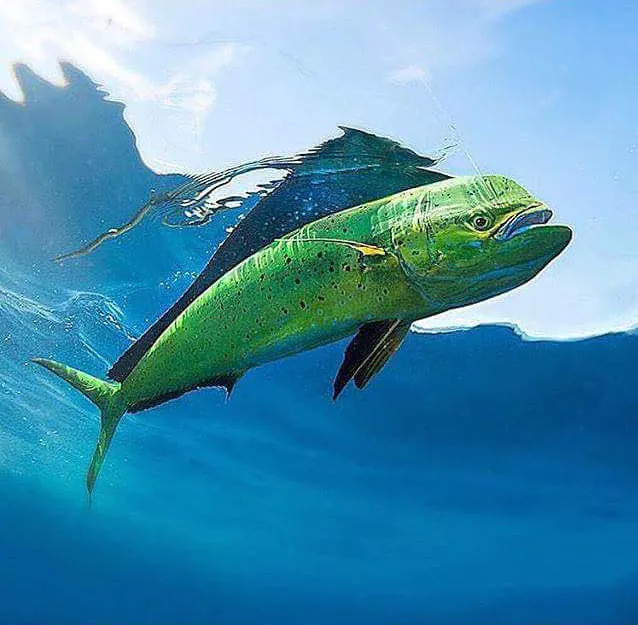

Ask for dolphin at a Barbados fish market or on a local menu and nobody is sending you a plate of Flipper. On this island, “dolphin and not Flipper; the Barbados version” is a useful little lesson in Caribbean food language. Dolphin is mahi-mahi – a brightly colored offshore fish with firm, mild flesh that has nothing to do with the smiling marine mammal.
It is the kind of distinction that turns a good vacation meal into a proper Bajan conversation. Barbados is famous for flying fish, but the sea around the island delivers a much wider cast of characters to the market, the fish fryer, and the home kitchen. Learning what is on your plate is part of seeing the real island.
Dolphin and Not Flipper; The Barbados Version
The name can surprise American and British visitors, especially anyone who has grown up associating dolphins with fins, intelligence, and television reruns. In Barbados and across much of the Caribbean, however, dolphin commonly means mahi-mahi, also known by its Hawaiian name. The fish is not a mammal, and it is not related to the bottlenose dolphins visitors may hope to spot offshore.
Mahi-mahi are fast-growing pelagic fish, meaning they live in the open ocean rather than around reefs or on the seafloor. Their electric blues, greens, and golds are particularly striking when freshly caught, though that color fades quickly after the fish leaves the water. Their speed and offshore habits have made them a valued catch for generations of fishers working Barbados’ Atlantic and Caribbean waters.
Local names matter because they carry local history. The island’s food culture has always been shaped by what could be caught, grown, preserved, traded, and shared. A menu is not just a menu here. It can point to the fishing grounds beyond the coastline, family recipes, village fish fries, and the practical knowledge passed between people who know the sea well.
What Dolphin Tastes Like in Barbados
Dolphin has a clean, lightly sweet flavor and a texture that is firm enough for grilling, frying, baking, or a richly seasoned stew. It is less oily than some other fish, so it takes beautifully to the assertive flavors Bajan cooks do so well: lime, garlic, thyme, onion, black pepper, Scotch bonnet pepper, and a proper hit of Bajan seasoning.
How it is prepared depends on the cook and the catch. You may find a grilled dolphin fillet with a bright sauce, fish tucked into a sandwich, or a home-style plate served alongside rice, peas, salad, and provisions. At a casual fish spot, the best question is often not “What is the fanciest dish?” but “What came in today?” Freshness is a serious thing on an island, and the answer can lead you to a far more memorable lunch.
Do not expect every restaurant to serve dolphin every day. Weather, sea conditions, seasonality, and the day’s landings all affect what is available. That is not an inconvenience. It is a reminder that Barbados’ best food is still tied to the rhythms of the water.
A quick menu translation
If you see dolphin on a Barbados menu, it means mahi-mahi. If you want to be extra clear when ordering, simply ask how it is prepared and whether it was locally landed. Most cooks, servers, and fish vendors will be happy to talk food. Bajans do not generally need much encouragement to share an opinion on the best way to season fish.
Visitors should also know that mahi-mahi and flying fish are very different experiences. Flying fish is a national favorite, often delicately seasoned and paired with cou-cou, while dolphin has a thicker fillet and a more substantial bite. Both are worth trying, but neither should be rushed between beach chairs and pool drinks.
The Fish Market Tells a Bigger Story
The most revealing place to understand Barbados seafood is near the working end of the industry. Early in the day, fish markets and landing sites can be alive with practical movement: boats returning, catches being sorted, customers choosing dinner, and plenty of sharp-eyed commentary about what looks best.
This is where the island’s connection to the ocean feels least staged. There is no need to romanticize hard work. Fishing is demanding, weather-dependent work, and the people who make their living from it understand the sea in ways a visitor cannot learn from a hotel menu. Still, taking an interest in where food comes from is a respectful first step.
When buying or ordering seafood, let availability guide you. Ask what is local and fresh, choose a portion you will genuinely eat, and be open to a recommendation if dolphin is not the catch of the day. One day might favor dolphin; another may offer tuna, kingfish, marlin, or flying fish. The best choice is often the one that did not travel halfway around the world to reach your plate.
Respecting the Sea Behind the Meal
Mahi-mahi is often considered a comparatively sensible seafood choice because it grows quickly, but responsible eating is never as simple as stamping one fish “good” and moving on. Fishing methods, management, location, and stock conditions all matter. Anyone who cares about sustainable travel should remain curious rather than assume a familiar label tells the whole story.
In Barbados, a practical approach is to support locally caught seafood when available, avoid waste, and listen to the people closest to the catch. Small decisions add up. Ordering what is in season, choosing local businesses, and appreciating the full value of a fish rather than treating it as a photo opportunity all show more respect for an island’s marine life and fishing communities.
There is another kind of respect worth mentioning. Barbados does have wild dolphins in its waters, and they deserve to stay wild. Seeing a pod from a responsible distance can be a wonderful moment. Chasing, feeding, crowding, or expecting a performance from marine mammals is not. The funny name confusion makes a useful point: mahi-mahi is dinner; dolphins are wildlife.
Pair a Food Stop With a Different Barbados
A great island day does not have to follow the standard resort routine. Spend time in the countryside, pause at an east coast lookout, hear the stories behind old plantations and parish roads, then sit down to a meal that reflects the waters around Barbados. Food makes more sense when you have seen the landscape and met the people who give it context.
That is especially true beyond the busiest visitor corridors. Along the rugged Atlantic side, the trade winds, dramatic surf, and working communities give Barbados a different pace. Inland, cane fields, gullies, and historic districts reveal an island with far more layers than its postcard beaches suggest. The real pleasure is not collecting stops. It is understanding how coast, countryside, history, and kitchen all belong to the same place.
At eBike Barbados, our local guides love those connections – the ones between a road, a ridge, a village, and the stories that make them matter. Our small-group outdoor experiences are designed for visitors who want the view, certainly, but also the good local explanation that makes the view stay with them. With island-wide pickup, quality eBikes, helmets, and a relaxed pace that works for mixed abilities, getting beyond the resort is far easier than it may look on a map.
Order With Curiosity
The next time dolphin appears on a Barbados menu, you can smile, order confidently, and perhaps share the answer with someone at the table: no, not Flipper. Then ask how the fish was prepared, what came in that morning, and what the cook would recommend alongside it.
Those small questions are often where the island opens up – in a market chat, a roadside lunch, or a guide’s story on a country trail. Barbados rewards travelers who bring an appetite for more than a meal.