Barbados Wildlife | What to Expect
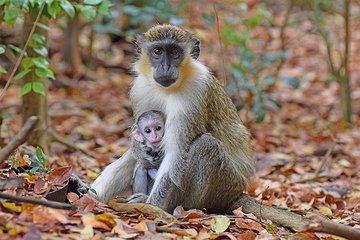

The first sign you have left the resort corridor behind may be a flash of green in a mahogany tree, a monkey tail slipping through the cane, or the sharp call of a bird over the east-coast wind. Barbados wildlife is not usually handed to you with a signboard and a queue. It rewards travelers who slow down, look beyond the beach, and let a knowledgeable local point out what is moving in the landscape.
This is a small island, but its habitats change quickly. Calm western shores give way to windswept Atlantic cliffs, gullies shaded by mature trees, working farmland, wetlands, and rugged coastal scrub. Each setting holds a different piece of the island’s natural story – and, often, its human history too.
Barbados Wildlife Is More Than a Beach Encounter
Sea turtles are the wildlife stars many visitors hope to see, and with good reason. Green turtles and hawksbill turtles are often spotted in the clear waters around Barbados, especially along quieter stretches of coast. Their presence is a reminder that the island’s reefs, seagrass beds, and nearshore waters are living habitats, not simply beautiful backdrops for a swim.
But if turtles are the headliners, birds, monkeys, reptiles, and coastal creatures make up a wonderfully varied supporting cast. The best encounters tend to happen when you give the island some time. A quick drive between hotels will not reveal much. A guided walk along a cliff path, a pause beside a field, or an early morning spent watching a wetland can reveal far more.
That is also why responsible wildlife viewing matters. Keep your distance, never feed animals, and leave nesting areas and tide pools exactly as you found them. The goal is not to collect a close-up at any cost. It is to see the real Barbados behaving naturally.
Green Monkeys in the Countryside
The Barbados green monkey is one of the island’s most recognizable land animals. Despite the name, it is actually a species of vervet monkey, brought to Barbados centuries ago from West Africa during the colonial era. Today, troops can sometimes be seen in the countryside, particularly near fruit trees, gullies, and sugar cane fields.
They are clever, quick, and quite capable of making off with a mango if the opportunity presents itself. Watching a troop move through the trees is a treat, but this is not a petting-zoo moment. Give them plenty of room, secure snacks and bags, and do not encourage them toward roads or homes with food.
The monkey’s story also says something larger about Barbados. Nature here has been shaped by centuries of agriculture, trade, settlement, storms, and conservation. The island’s wildlife is not separate from its history. It lives alongside old plantation landscapes, parish roads, village gardens, and the cane country that has defined Barbados for generations.
The Birds That Make Barbados Special
For birders, Barbados can be a lovely surprise. You do not need to be an expert with a life list as long as your arm to enjoy it. A good pair of binoculars, a patient eye, and a guide who knows where to look will do nicely.
Look out for the Barbados bullfinch, a small, handsome bird found only on the island or the Carib Grackle with its distinctive bright yellow eye. The vivid yellow Bananaquit, Caribbean Elaenia, the Grey Kingbird and Antillean crested hummingbird also add color and movement to gardens, woodland edges, and countryside trails.
Wet areas bring a different cast. Herons, egrets, sandpipers, and other migratory birds may use the island as a stopover, depending on the season and conditions. Coastal viewpoints can be productive too, particularly when the Atlantic is lively and seabirds are working the wind.
Why a Local Guide Changes the Experience
Birding is not only about eyesight. It is about recognizing a call from the brush, knowing when a fruiting tree is attracting activity, and understanding why one gully is more productive than the next. A local guide can help visitors notice the details that are easy to miss while also sharing the history of the road, community, or old estate surrounding the habitat.
On a dedicated birdwatching experience with eBike Barbados, binoculars are provided, so you do not need to pack specialized gear just to enjoy the morning. Small groups also make a real difference. There is more room to pause, listen, and let the birds settle rather than rushing from one photo stop to another.
Wild Places Beyond the Main Roads
The east and inland parts of Barbados show a greener, more dramatic side of the island. Around Bathsheba, the landscape feels shaped by wind and Atlantic surf. The cliffs and rugged shoreline offer sweeping views, while nearby vegetation supports birds, lizards, and plenty of insect life. You may not see a large animal every few minutes, but that is precisely the point. This is a place to read the landscape rather than race through it.
Hackleton’s Cliff and Edge Cliff provide high vantage points over rolling countryside and the Atlantic beyond. In these elevated areas, birds can be easier to spot against open skies, and the cooler breeze is welcome on a warm day. The ride or walk there becomes part of the reward, passing cane fields, small communities, and historic routes that ordinary sightseeing often skips.
Near places such as PEG Farm and Malvern Plantation, the connection between farming, food, and habitat becomes clearer. Fields, hedgerows, mature trees, and less-developed lanes can create valuable pockets for wildlife. These are working landscapes, not untouched wilderness, and that distinction matters. Respect gates, crops, private property, and the people who live and work there.
Reptiles, Bats, and the Smaller Sightings
Do not overlook the animals underfoot or overhead. Small lizards are common companions on sunny walls and trails, often pausing just long enough for a photograph before vanishing into the leaves. The Barbados Threadsnake, one of the world’s smallest snakes, is far less likely to make an appearance, but it is a remarkable example of how much life can exist on a compact island.
Bats are part of the evening shift, helping with insect control and, in some cases, pollination and seed dispersal. You may see them flickering above at dusk, especially near trees and open spaces. They are another good reason to keep the volume down when the day begins to cool. Wildlife sightings improve when people do not arrive sounding like a carnival truck.
Along rocky shores, tide pools can reveal crabs, small fish, sea urchins, and other marine life. Resist the urge to handle them. Coastal conditions can change quickly in Barbados, especially on the Atlantic side, so admire from a safe position and follow local guidance around waves and slippery rocks.
How to See Wildlife Responsibly
A few simple habits make the experience better for you and safer for the animals. Wear light, breathable clothing, bring water and sun protection, and use insect repellent where appropriate. For birding and walks, neutral colors are helpful, though there is no need to dress like you are on a serious expedition through the Amazon.
Move quietly when a guide asks for a pause. Keep phones on silent around nesting or feeding birds. Never leave plastic, food wrappers, or bottles on trails and beaches. If you are cycling, stay on the planned route and keep an eye out for animals crossing rural lanes.
Timing matters as well. Early morning is often best for birds and cooler temperatures, while late afternoon can be excellent for a gentler countryside outing. Turtle sightings depend on location, sea conditions, and plain old luck. Any operator promising wildlife on command is selling a story, not a nature experience.
See the Island at Nature’s Pace
Barbados is famous for its beaches, and rightly so. Yet some of the island’s most memorable moments happen when you are standing quietly above the Atlantic, watching a hummingbird work a flowering hedge, or catching sight of monkeys crossing the trees in the distance.
Choose an outing that leaves room for those unscripted moments. With island-wide pickup from hotels, villas, and the cruise terminal, plus the comfort of premium pedal-assist eBikes for mixed-ability groups, getting beyond the usual sights does not have to be complicated. Bring curiosity, listen to the birds, and let the real island introduce itself.