Barbados Bird Tours for a Wilder Island Day
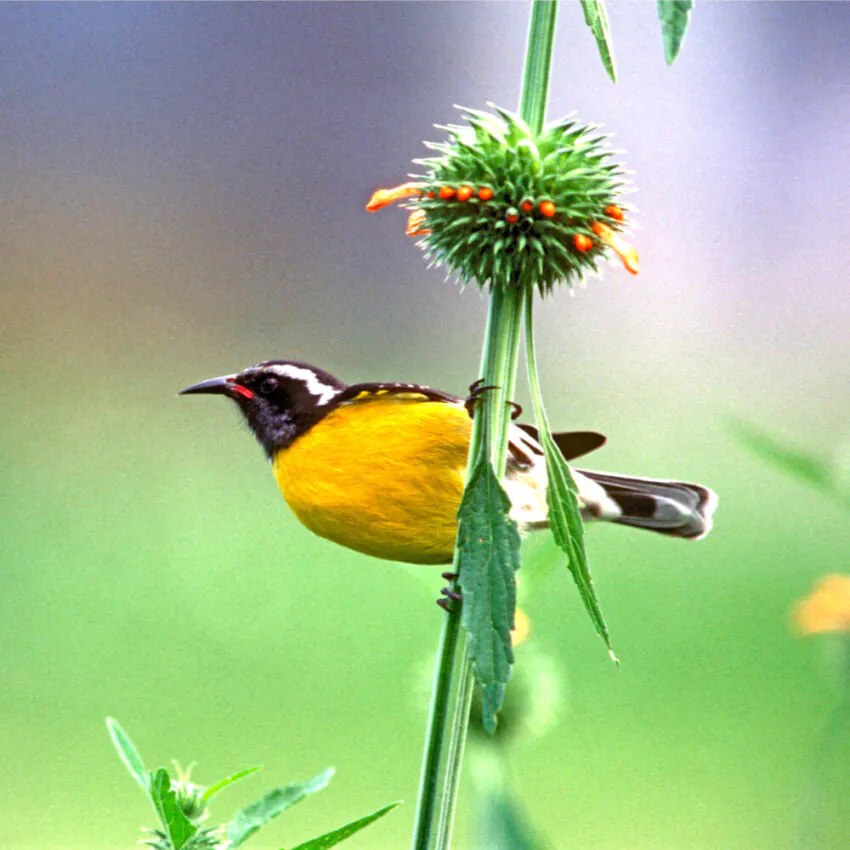

The Barbados you hear before breakfast is not the Barbados most visitors expect. A Barbados bullfinch calls from a garden hedge, Western cattle egrets lift from a grazing field, and Antillean hummingbirds working their way through flowering shrubs with the focus of tiny professionals. Barbados bird tours offer a different kind of island day: slower, more observant, and full of life in places a beach lounger or big bus tour rarely reaches.
This is a small island, but it holds a remarkable mix of habitats. Coastal cliffs, quiet gullies, sugar cane country, freshwater ponds, wooded estates, and rugged eastern ridges each attract different birds. Add a knowledgeable local guide who knows the calls, the changing light, and the stories behind the landscape, and birding becomes much more than ticking names off a list.
Why Barbados Is Better for Birding Than It Looks
Barbados is relatively easy to explore, yet its birds reward patience. You may see familiar Caribbean species such as Zenaida doves, bananaquits and green-throated caribs. Then there are the island specialties that make people stop and look twice, including the Barbados bullfinch and Carib Grackle.
The real pleasure is that birds appear alongside everyday Bajan life. A roadside pasture can become a cattle egret gathering spot. A quiet village garden may hold a hummingbird, a grackle, and a Grey King bird before you have finished adjusting your binoculars. On the coast, seabirds ride the trade winds while the Atlantic works away at the cliffs below.
Birding here is also inseparable from place. The old sugar-growing districts, plantation roads, gullies, and coastal settlements tell Barbados’s history as clearly as any museum case. A good guide can point out a bird in a mahogany tree, then explain how the surrounding land was shaped by agriculture, trade, migration, and generations of Bajan communities.
Where Barbados Bird Tours Go Beyond the Usual Stops
The best birding routes are not always the ones with a giant sign or a souvenir stand. They are often quiet corners where habitat is still doing its thing and the only traffic is a monkey rustling through branches or a rooster announcing himself far too confidently.
East Coast Ridges and Bathsheba
The east coast is a fine place to feel the wild side of Barbados. Around Bathsheba and the ridge country, the landscape is greener, windier, and more dramatic than the resort-lined west and south coasts. Birds use the trees and scrub along the slopes, while the open sky and sea create opportunities for spotting coastal and passing species.
This area is about more than the checklist. You are looking out over the same Atlantic-facing country that has shaped fishing villages, crop fields, and local folklore for centuries. Bring a light layer because the breeze can be surprisingly brisk, especially during an early start.
Countryside, Gullies, and Working Landscapes
Barbados’s interior can be wonderfully productive for birdwatching. Cane fields, pasture edges, fruit trees, and gullies create a patchwork of food and cover. The island’s gullies are especially valuable. These sheltered pockets can feel like green corridors, offering shade and a chance to listen for movement before you see it.
Areas around Easy Hall and rural routes near Venture Plantation can reveal the Barbados many visitors miss entirely. The views are grand, but the smaller details are just as good: an Osprey perched on a wire, a hummingbird flashing through a garden, or an egret standing perfectly still in a field.
Coastal Farms and Open Country
On the southeastern side of the island, landscapes around PEG Farm and nearby coastal country combine open fields, vegetation, and sea air. Conditions change quickly here, which is part of the fun. One moment you are scanning a pasture; the next, you are looking toward the coast for birds moving on the wind.
No ethical guide will promise a particular species on demand. Birds have their own schedules, and frankly, they do not check the tour itinerary. But visiting varied habitats with someone who understands local conditions gives you a far stronger chance of meaningful sightings than wandering alone with a map and good intentions.
When to Go Birding in Barbados
Early morning is usually the sweet spot. Temperatures are cooler, birds are more active, and the island has not yet slipped into its midday rhythm. The light is also kinder for photographs, especially on open trails and along the coast.
Barbados can be rewarding year-round, but what you see depends on the season and recent weather. Resident birds are present throughout the year, while migration periods can bring additional interest, particularly around wetlands and coastal habitat. If you are a dedicated birder hoping for seasonal visitors, tell your guide what you are most interested in seeing. That conversation helps shape expectations and the route.
Rain should not automatically spoil the plan. A passing shower can freshen the landscape and stir up activity afterward. The sensible approach is breathable clothing, sun protection, water, and footwear with grip for uneven or damp ground.
What a Guided Birding Day Makes Easier
Independent birding has its charms, but Barbados asks visitors to think through transportation, access, changing weather, and which roads actually lead to suitable habitat. A guided outing removes the guesswork without making the day feel overly scheduled.
With eBike Barbados, guests can enjoy small-group bird-watching experiences led by local guides who bring the island’s birdlife, landscapes, and history together. Binoculars are provided, and island-wide pickup and drop-off means you can leave the rental-car navigation, narrow-road nerves, and parking puzzles behind. For cruise visitors, that dependable organization matters even more when ship time is not flexible.
A local guide also notices what first-time visitors may overlook. They know the usual calls, the places where birds tend to shelter after rain, and when it is worth pausing rather than pressing on. Just as importantly, they can share the human story of the route, from old estate country to village life and the changing uses of the land.
A Few Simple Birding Habits Go a Long Way
You do not need to arrive with expert field skills. Keep your movements calm, speak quietly when birds are near, and give wildlife plenty of space. Let the guide set the pace when approaching a good viewing area. A bird that feels undisturbed is more likely to stay put, which is good news for everyone in the group.
Wear neutral or muted colors if possible, particularly for a dedicated birding outing. Avoid playing bird calls from your phone, getting too close to nests, or asking a guide to push through sensitive areas for a photo. The best sightings feel earned because the bird is behaving naturally, not because it has been pressured into view.
For photographs, a phone can capture lovely habitat scenes and closer birds if the light cooperates. Serious photographers may prefer a camera with a zoom lens, but do not spend the whole morning looking through it. Take a moment to watch with your own eyes too. The flight pattern, call, and setting often become the part you remember.
Birding Is an Easy Way Into the Real Barbados
A bird tour suits seasoned birders, curious couples, active families, and travelers who simply want a break from the same old resort routine. It is gentle adventure with a purpose. You are outdoors, moving at an unhurried pace, and seeing how Barbados fits together beyond its famous beaches.
The island may be known for sunshine and sea, but listen closely in a gully, along an eastern ridge, or beside a quiet field, and another Barbados starts to introduce itself. Give it an early morning, a pair of binoculars, and a little patience.