Why Are the People of Barbados So Nice to Visitors?
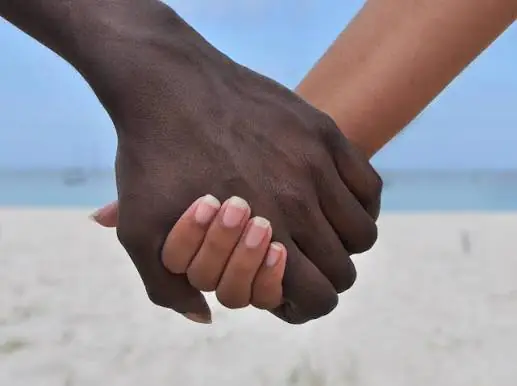

A visitor stops beside a cane-field road to ask for directions. Before long, they have directions, a recommendation for lunch, a warning about a pothole around the bend, and probably a laugh. If you have been asking why the people of Barbados are so nice, that familiar little roadside exchange is a better place to start than any postcard image.
Bajans are not performing friendliness for visitors. The warmth people notice is woven into daily life: greeting someone properly, checking that they are all right, sharing a joke, helping a stranger find their way, and making room for conversation even when there is plenty to do. It is one of the island’s great pleasures, but it also has roots in Barbados’ history, geography, and close-knit community life.
Why Are the People of Barbados So Nice?
The short answer is that Barbados has a strong culture of courtesy and connection. The longer answer is more interesting. This is a small island with a big sense of identity, where families, schools, neighborhoods, churches, sports clubs, workplaces, and village shops have long created overlapping networks of familiarity.
People often know someone who knows someone. That does not mean everyone knows everybody, despite what a local may jokingly tell you. It does mean everyday interactions carry weight. A greeting is not a throwaway line. Good manners are noticed, and looking out for one another remains a point of pride.
For visitors from the United States or United Kingdom, this can feel striking. A cashier may ask how your day is going and truly wait for the answer. A driver may slow down to let you cross. Someone on a trail may offer a cheerful “good morning” before you have figured out where the path leads. The island’s pace can be efficient when it needs to be, but it still leaves room for human exchange.
Courtesy is part of the Bajan rhythm
Respectful greetings are a simple but meaningful part of life in Barbados. Saying good morning, good afternoon, or good evening before launching into a question goes a long way. Walk into a small shop, approach a local at a bus stop, or meet a guide at your hotel, and start there.
That small courtesy is reciprocal. Visitors who greet people warmly, exercise patience, and show genuine curiosity about the island often receive a wonderfully open response. People are more likely to share the place they know – where flying fish is especially good, which beach is calm that day, why a certain old building matters, or what the clouds rolling over the Scotland District might signal.
It is not complicated etiquette, and nobody expects you to get every local phrase right. Just do not treat Barbados as a backdrop with staff in it. Treat people as people, and the island tends to meet you with the same energy.
A History That Made Community Matter
Bajan warmth should never be reduced to a tourism slogan. Barbados has a complex history shaped by Indigenous presence, British colonization, the brutal plantation economy, the transatlantic slave trade, emancipation, migration, and the determined building of a sovereign national identity. The island’s culture was formed not by ease, but by resilience, creativity, faith, family ties, and mutual support.
After emancipation, communities built institutions that helped people move forward: churches, schools, mutual-aid networks, small businesses, cultural organizations, and political movements. Barbados gained independence in 1966 and became a republic in 2021, milestones that sit within a much longer story of Barbadians asserting who they are and how they want to be seen.
That history is present in the island’s famous politeness, but it is also present in its confidence. Bajans are generally welcoming, yet they are not there to play a role for anyone. The best encounters happen when visitors appreciate both parts: the easy humor and the deep pride.
You can feel this in historic Bridgetown, where grand civic buildings, old warehouses, churches, markets, and narrow commercial streets tell stories far larger than their footprints. You can feel it inland too, on roads running through former plantation country, where landscapes of sugar cane and old estate walls invite questions about who worked there, who owned the land, and how communities changed over time.
Humor helps carry the story
Bajans have a quick, playful sense of humor. A little teasing is often affection, not offense. A guide might make a joke about a hill that appears just when you thought the ride was flat, or a shopkeeper may deliver a line so dry that you need a second to catch it.
This humor is one reason the island feels so relaxed. It softens formal moments, connects strangers, and keeps everyday frustrations in proportion. The key is to enjoy the joke without trying too hard to imitate every expression you hear. Let the conversation come naturally. You will learn more that way, and you may earn a grin for your efforts.
Beyond the Resort, You Meet the Real Welcome
Resorts can be lovely places to rest, but much of the answer to why people in Barbados are so nice becomes clearer once you spend time beyond the pool deck. On the east coast, the scenery turns wild and wind-shaped around Bathsheba. In the interior, quiet lanes climb toward Hackleton’s Cliff and look across a patchwork of fields and distant coastline. Around places such as PEG Farm and Malvern Plantation, the conversation often shifts to farming, food, birds, family history, and what is happening in the parish.
These are not staged encounters. They are ordinary island life, and that is exactly the point. A local guide can help you understand what you are seeing without making communities feel like an attraction. You may hear why a village got its name, learn about a crop beside the road, spot a green monkey in the trees, or discover how a historic route connected parishes long before modern tourism.
At eBike Barbados, our guides are laid-back company on the trail, but they are also historians at heart. A pedal-assist ride makes it easier for mixed-ability groups to explore those rolling roads together, leaving more breath for the stories and less for arguing with a hill. With pickup and drop-off handled, guests can reach parts of the island that would otherwise require a fair bit of navigation and confidence behind the wheel.
The Warmth Has Boundaries, Too
It is worth saying plainly: no destination owes visitors unlimited access to its people, homes, beliefs, or time. Barbados is friendly, but it is not a theme park. The same common sense that serves you well anywhere applies here.
Ask before photographing people, especially children, vendors, and private homes. Dress appropriately when visiting towns, churches, or businesses away from the beach. Be patient with service when a genuine conversation is happening ahead of you. Avoid complaining that the island is not arranged exactly like home – it is not supposed to be.
There is also a difference between confidence and rudeness. Some visitors mistake a direct answer, a firm boundary, or a no-nonsense opinion for unfriendliness. Bajans can be wonderfully candid. That honesty is part of the same local character people admire, and it deserves respect.
How to return the kindness
You do not need a script. Greet people first, listen more than you lecture, tip fairly where appropriate, support local businesses, and ask questions with real interest. If someone tells you about their favorite spot, do not immediately demand that it become your next geotagged social post. Enjoy the privilege of being let in on a local recommendation.
Learn a few phrases if you like, but do not force the accent. “Good morning” will take you farther than a badly rehearsed bit of island slang. And if someone helps you, say thank you properly. That never goes out of style.
The kindness visitors remember from Barbados is not a polished product. It is the lived expression of an island whose people have built community through hardship, celebration, independence, faith, laughter, and an unshakable sense of home. Meet that generosity with curiosity and respect, and you may leave with more than photos – you may leave feeling that, for a little while, Barbados made room for you.