Sugar Cane Heritage – How It Changed The Shape Of Barbados
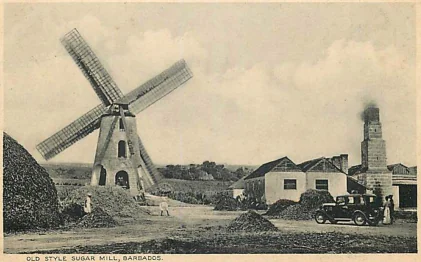

A cane field can look almost carefree from a distance: green blades moving in the trade winds, a narrow lane disappearing over a hill, and an old windmill standing watch against a bright Caribbean sky. Yet Barbados sugar cane heritage is not a simple postcard story. It is written in the island’s landscape, food, language, architecture, and family memory – and it asks visitors to look beyond the pretty view.
For centuries, sugar shaped where people lived, how roads developed, what moved through Bridgetown’s harbor, and whose labor powered the economy. To travel through Barbados with open eyes is to see both the beauty of cane country and the human history held within it.
Sugar Cane Changed the Shape of Barbados
Sugar cane arrived in Barbados in the 1600s and rapidly became the colony’s dominant crop. The island’s fertile soils, reliable rainfall, and favorable trade position made it highly profitable for British planters. Barbados soon became central to an Atlantic system that sent sugar, molasses, and rum outward while importing goods, capital, and enslaved Africans.
That prosperity came at an immense human cost. Enslaved Africans were forced to clear land, plant and cut cane, work in mills and boiling houses, and sustain the plantation economy under brutal conditions. Sugar’s wealth funded estates and merchant houses, but it was built on stolen labor and violence. Any honest account of Barbados sugar cane heritage must make room for that truth.
Emancipation in 1834 changed the legal status of formerly enslaved Barbadians, but it did not instantly create equal access to land, wages, or opportunity. The sugar industry remained influential for generations. Its legacy can still be felt in the pattern of rural settlements, former estate lands, parish roads, and the hard-won traditions of community life.
Reading Cane Country Beyond the Postcard
The best way to understand this history is not from a coach window. It is to slow down in the countryside, where the land begins to explain itself. On the island’s rolling central and eastern districts, cane fields may open suddenly beside small villages, old estate walls, gullies, and distant ocean views.
A windmill is often the first landmark visitors notice. Before steam and modern machinery, windmills crushed cane to extract its juice. Their stone towers remain among the most recognizable signs of the sugar era, though their appearance can be deceptive. They are handsome ruins, yes, but they were working structures within a system that demanded relentless labor.
The lanes matter too. Some rural roads follow routes once used to move cane from fields to factories or to transport sugar toward coastal shipping points. Today they can feel wonderfully quiet, lined with grasses, fruit trees, and views that a main highway simply cannot deliver. That calm is part of the island’s appeal, but it should not erase the history beneath the wheels.
The landscape has changed, but the story continues
Cane is no longer the economic force it once was in Barbados. Tourism, international business, services, and other sectors now play larger roles, while many former cane lands have been repurposed. Some fields remain in cultivation; others have become residential areas, mixed farms, grazing land, or open countryside.
This change brings trade-offs. Reduced cane production can mean fewer traditional rural jobs and the loss of familiar landscapes. It can also create space for food crops, conservation, local enterprise, and a more diverse use of land. There is no neat before-and-after version of the story. Barbados is a living island, not a museum piece.
From Cane to Culture: Rum, Food, and Bajan Memory
Sugar’s influence did not stop at the field edge. Molasses, a byproduct of sugar production, became a key ingredient in rum. Barbados has a deep rum-making tradition, and a tasting can be a useful cultural experience when it includes real context rather than just a souvenir-shop sales pitch. The flavors may be warm and celebratory, but the origins are tied to the same plantation economy that shaped the island.
Cane also appears in everyday memory. Older Barbadians may recall the rhythms of crop time, the sight of cane trucks on the road, or family members whose work was connected to estates and factories. In a small island nation, economic history is rarely abstract. It sits close to home, often only a few generations away.
Then there is the resourcefulness that grew around rural life. Bajan food culture has long made much from what the island produces: ground provisions, fresh fish, breadfruit, herbs, fruit, and crops grown on small plots. Sugar may have dominated export agriculture, but it never tells the full story of how Barbadians fed themselves, built communities, and kept local traditions alive.
Where History Meets the Wild East Coast
The rugged east and northeast of Barbados offer a particularly striking contrast to the manicured plantation image many visitors expect. Around places such as Hackleton’s Cliff, Edge Cliff, Bathsheba, and countryside routes near Malvern Plantation, the island feels broader, hillier, and wonderfully untamed.
Here, cane country meets gullies, forest pockets, dramatic Atlantic views, and farms that reflect Barbados’s evolving relationship with the land. PEG Farm, for example, represents a different agricultural conversation: one centered on regenerative practices, local food, and caring for soil. It does not erase the past, but it points toward what responsible land use can look like now.
This is also where a guided outdoor experience earns its keep. A knowledgeable local guide can connect a view to the people who worked the surrounding land, explain why a ridge matters geographically, and point out the birds, trees, and village landmarks that a visitor might otherwise pass without noticing. The stories are not delivered like a school lecture. They come naturally, with a pause for the view, a bit of Bajan humor, and perhaps the reminder that the next hill looks worse than it rides.
A More Respectful Way to Experience Sugar Heritage
Visitors do not need to arrive with a history degree. Curiosity and respect go a long way. When you encounter a former plantation, mill, field, or rum tradition, ask whose work made it possible and how local people relate to that history now. Listen for complexity rather than hunting for a tidy tale of colonial grandeur.
It also helps to choose experiences that keep more of the value on the island. Small-group, locally guided outings can support Bajan storytellers and businesses while taking pressure off crowded resort corridors. Traveling by foot, bike, or eBike offers a lower-impact way to reach countryside lanes, and it leaves room for the details: the scent of crushed grass after rain, a monkey flashing through the trees, or a farmer’s call across a field.
For riders, an eBike is especially useful on Barbados’s rolling terrain. Pedal assist takes the sting out of the climbs without separating the group, so mixed-ability couples, families, and friends can share the same route. A good guide provides the helmet, safety briefing, and route support, then lets the island do the showing off.
The Heritage Is in the Conversation
Barbados sugar cane heritage should not be treated as a backdrop for vacation photos. It is a doorway into the island’s larger story: African resilience, colonial exploitation, emancipation, migration, entrepreneurship, agriculture, and cultural pride. The cane fields are part of that story, but so are the villages beside them, the roads crossing them, and the people who carry their memories forward.
When you travel beyond the beach, take a little extra time at the next green hillside. Ask what stood there, who worked there, and what is growing there now. That is where Barbados begins to feel less like an itinerary and more like a place with something real to say.