Sea Eggs, a Barbados Delicacy: What to Know
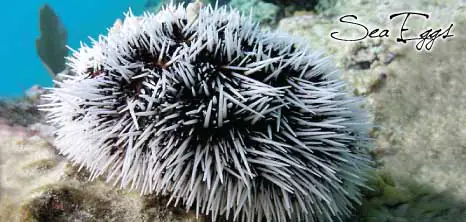

The first taste is pure Atlantic Barbados: cool, briny, creamy, and sharpened with a squeeze of lime. Sea eggs, a Barbados delicacy, are not a typical restaurant appetizer or an everyday snack. They are a deeply seasonal island food, tied to reef life, family traditions, fisherfolk, and the kind of local knowledge that cannot be picked up from a resort buffet line.
For visitors who want to understand Barbados beyond the beach chair, sea eggs offer a delicious lesson. They connect the island’s food culture to the reefs off its coast, the communities that have long worked those waters, and the careful conservation that helps ensure this treasured food remains part of Bajan life.
What Are Sea Eggs?
A sea egg is the local name for the West Indian sea urchin, a round, spiny marine creature found around Caribbean reefs and seagrass habitats. Its scientific name is Tripneustes ventricosus, but around Barbados, “sea egg” is all you need to say.
The prized part is the bright golden-orange roe inside the shell. Although it is commonly called roe, the soft lobes people eat are technically the sea urchin’s reproductive organs. That may sound like a detail best saved for a science class, but once you have tasted a fresh sea egg with lime, salt, and a touch of pepper sauce, you will understand why Bajans speak about them with such enthusiasm.
The flavor is rich but clean, with a gentle sweetness beneath the ocean saltiness. Think less like fish and more like a silky, intensely marine custard. It is one of those foods people either fall for immediately or need a moment to figure out. Either response is perfectly fair.
Sea Eggs, a Barbados Delicacy With a Season
Sea eggs are special partly because they are not available whenever someone feels like harvesting them. Barbados has a long history of sea egg fishing, but heavy harvesting in past decades put pressure on the population. The fishery has experienced closures and carefully managed reopening periods as stocks recover.
That means availability depends on the official season and current fisheries rules, which can change from year to year. If you hear that sea eggs are available, ask a local vendor or restaurant whether they were legally harvested during an open season. This is not fussy tourist behavior. It is simple respect for a food tradition that depends on healthy reefs and responsible harvesting.
A fresh sea egg season can create a real buzz. Islanders swap tips on where to find them, who has the best preparation, and whether a batch is sweet, plump, or especially flavorful. Like mangoes in summer or a favorite fish on the day boats come in, sea eggs have their own rhythm. Their scarcity is part of their value.
Why conservation belongs in the conversation
Sea urchins help keep reef ecosystems in balance by grazing on algae. When their numbers fall sharply, reef health can suffer. Barbados has seen firsthand why a sea egg fishery cannot be treated as an unlimited resource.
The sensible choice for travelers is straightforward: enjoy sea eggs only when they are in season, purchase them from legitimate local sources, and never collect them yourself. Even a well-meaning visitor can do harm by disturbing reef life or taking sea eggs during a closed period. The best island experiences leave something worth returning to.
How Bajans Eat Sea Eggs
The classic preparation is wonderfully simple. Fresh sea egg roe is lifted from the shell and eaten with lime juice, salt, black pepper, and sometimes a lively dash of Bajan pepper sauce. A little finely chopped onion may appear too, depending on who is serving and how their family does it.
There is no single “correct” recipe. Some people like sea eggs nearly bare, allowing the fresh roe to do all the talking. Others prefer more lime and pepper, which cuts through the richness and gives each bite a bright kick. If you are offered a spoonful, start small. Sea egg has character, and it does not whisper.
You may also encounter sea egg worked into more substantial local dishes. It can be served alongside bread, crackers, or traditional Bajan sides, and some cooks incorporate it into sauces or savory preparations. Yet many locals will tell you that the purest way to appreciate it is fresh from the shell, seasoned lightly and eaten right away.
Because sea eggs are often enjoyed raw, freshness and handling matter. Choose a reputable source, ask when they were prepared, and use your usual judgment around raw seafood, especially if you have a weakened immune system, are pregnant, or have dietary concerns. A good vendor should be happy to tell you what you are eating and how it was handled.
Where Sea Eggs Fit Into the Real Barbados
Sea eggs make more sense when you see the landscapes around them. Barbados may be famous for calm Caribbean waters along the west and south coasts, but the island also faces the powerful Atlantic on the east. Around places such as Bathsheba and the rugged coastal districts beyond the main resort belt, you can feel how closely island life has always been shaped by the sea.
The ocean is not just a pretty backdrop here. It has supplied food, work, stories, weather signs, and gathering places for generations. A conversation about sea eggs can easily lead to broader stories about fishing villages, reef conditions, changing seasons, and the practical creativity of Bajan cooking.
That is why local food is best experienced with context. A plate can tell you something, but a knowledgeable Bajan guide, cook, or vendor can tell you why the ingredients matter. You might learn how a particular cove got its name, why the east coast feels so different from the west, or how families adapted their cooking to what the land and sea offered.
On a day spent exploring countryside lanes, coastal viewpoints, or historic neighborhoods, keep an eye out for the small details that make Barbados feel lived-in rather than staged: a fish vendor setting up early, a rum shop conversation in full swing, cane fields moving in the breeze, or the smell of something good frying nearby. These are the moments that turn sightseeing into connection.
How to Try Sea Eggs Respectfully
Visitors sometimes worry that unfamiliar food requires a big performance. It does not. A little curiosity and good manners go a long way. If sea eggs are in season and you find them through a trusted local source, say that it is your first time and ask how they recommend eating them. Most Bajans are delighted to share a food they love, particularly with travelers willing to try the real thing.
A few simple habits make the experience better:
- Ask whether sea eggs are currently in legal season before buying.
- Buy from established vendors, fish markets, or restaurants with a good local reputation.
- Do not handle, harvest, or remove sea urchins from reefs yourself.
- Taste before adding too much lime or pepper sauce. You can always add more heat, but you cannot reverse a pepper-sauce avalanche.
If sea eggs are out of season, do not see that as a missed opportunity. It is an invitation to try another Bajan specialty. Flying fish, fish cakes, pudding and souse, cou-cou, macaroni pie, and locally grown fruits all tell their own part of the island story. Barbados rewards the traveler who eats with the calendar, not just the menu.
A Small Taste With a Big Story
There is a temptation to treat every local food as a travel checklist item. Sea eggs deserve better than that. They are a seasonal privilege, shaped by an island’s ecology and protected by people who understand that good food begins with a healthy environment.
If you come across them during an open season, take the chance to taste them with an open mind and a squeeze of lime. Ask a question or two, listen to the stories, and let this little golden bite remind you that the most memorable Barbados experiences are often found just beyond the familiar shoreline.