Barbados Hiking on the Island’s Wild Side
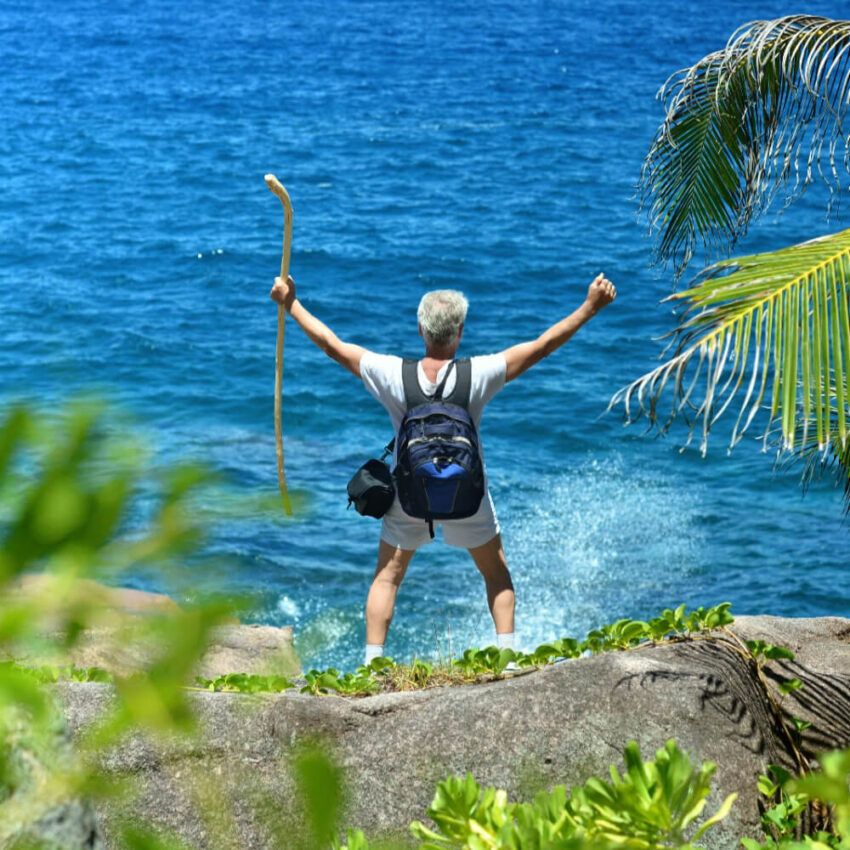

The East Coast ridge has a way of changing the plan for the day
The view from an East Coast ridge has a way of changing the plan for the day. Below, Atlantic waves roll toward dramatic rock formations; behind you, cane fields, grazing land, and small villages stretch across the island’s interior. Barbados hiking is not about bagging enormous peaks. It is about getting close to a landscape that holds centuries of stories, then pausing long enough to hear them.
Most visitors know Barbados for calm Caribbean water and a beach chair with their name on it. That is a fine way to spend an afternoon. But lace up your shoes and the island becomes something more textured: windswept cliffs, shaded gullies, working farmland, old estate roads, tropical birds, and communities where a good morning can turn into a lively conversation.
Why Barbados Hiking Feels Different
Barbados is relatively compact, but do not mistake compact for flat. The eastern and central parts of the island are shaped by rolling hills, coral limestone, steep escarpments, and ridges with proper elevation changes. Trails can move quickly from an open field under bright sun to a muddy, tree-lined path, then finish at a coastline where the trade winds are doing all the talking.
That variety is the real appeal. A hike here can connect geological drama with Bajan heritage in a matter of miles. Many countryside paths follow routes once used to move people, crops, and goods between plantations, villages, churches, and coastal landing points. A knowledgeable local guide can point out details that are easy to miss: an old sugar-industry feature, a traditional chattel house, the fruit trees growing at a field edge, or the meaning behind a place name.
It also makes hiking a good fit for travelers who want an active day without training for a mountain expedition. Some routes are gentle and scenic; others have uneven footing, short climbs, and exposed coastal sections. The right choice depends on your comfort with heat, terrain, and walking distance, not on whether you consider yourself a serious hiker.
Barbados Hiking Routes Beyond the Beach
East Coast cliffs and Bathsheba’s wild edge
The East Coast is where the island shows its untamed side. Around Bathsheba, the sea is powerful, the rock formations are unmistakable, and the views reward anyone willing to walk a little farther than the roadside lookout. Coastal trails and ridge paths in this area can reveal sweeping Atlantic panoramas, small bays, and the changing colors of the water below.
This is not the coast for a casual swim after every walk. Currents and surf can be dangerous, and conditions change quickly. Stay well back from cliff edges, follow local guidance, and enjoy the ocean as a spectacular neighbor rather than a challenge to be conquered.
Hackleton’s Cliff and the Scotland District
Hackleton’s Cliff offers one of those broad island views that puts Barbados into perspective. From high ground, you can look across the interior toward the rugged Scotland District, an area known for its distinctive terrain and dramatic slopes. It is a reminder that this coral island has a wonderfully complicated landscape beneath its polished resort image.
Routes here can involve inclines and uneven ground, but the pace need not be punishing. A small-group hike allows time for water breaks, photos, and the stories that turn a viewpoint into a place with meaning. Ask about the history of settlement, agriculture, and how the land has shaped daily life in the parishes below.
Cane country, Malvern Plantation, and rural paths
In the island’s countryside, the pleasure is often in the quieter details. You may pass cane fields, old plantation landscapes, grazing animals, fruit trees, and narrow roads where residents are going about their day. Around places such as Malvern Plantation, a hike becomes a window into the agricultural history that helped shape Barbados, while also showing how rural communities continue to evolve.
These walks are especially rewarding for travelers who prefer a slower, more conversational experience. The scenery may not shout as loudly as the East Coast cliffs, but it stays with you. A guide’s explanation of the sugar era, changing land use, and everyday Bajan life adds depth that no map pin can provide.
Edge Cliff and lesser-known viewpoints
Edge Cliff and other less-publicized countryside lookouts offer the kind of scenery many visitors never see from a tour bus. Access can be narrow, conditions can vary after rain, and some areas are best approached with local knowledge and respect for private land. That is part of why a guided outing is valuable: you can focus on the view while someone else handles the route, timing, and trail awareness.
The best hidden spots are not treated like secret trophies. They are places to visit gently, leave clean, and appreciate without disrupting the communities and ecosystems around them.
What to Expect on a Barbados Hike
Heat and humidity are usually the biggest surprise for visitors coming from cooler climates. Even a moderate walk feels more demanding under Caribbean sun, particularly between late morning and midafternoon. Start hydrated, wear breathable clothing, and let the group’s pace be sensible rather than heroic. There is no prize for racing past the view.
Underfoot, expect a mix of paved lanes, grass, packed earth, loose stones, roots, and occasional mud. Sturdy closed-toe shoes with grip are a much better bet than flip-flops. After rainfall, some trails become slippery, and a guide may adjust the route for safety. That is not a disappointment; it is good island judgment.
Bring these essentials for a more comfortable day:
- A refillable water bottle and extra water if you tend to drink a lot in the heat
- Closed-toe walking shoes or trail shoes with dependable grip
- Reef-safe sunscreen, a hat, and sunglasses
- Insect repellent, a light rain layer, and a small backpack for personal items
Long pants can be useful on more overgrown paths, although lightweight shorts are fine for many open routes. If you are hiking during the wetter months, carry dry socks in the vehicle. Your feet will thank you later, even if your shoes have collected a little honest Bajan mud.
Hike With Local Context, Not Just a GPS Track
A self-guided walk can be enjoyable if you know the route, have reliable transportation, and are comfortable assessing conditions. But Barbados trails are not always signed in the way visitors may expect, cell coverage can vary by location, and access points are sometimes easy to miss. More importantly, a map cannot explain why a church stands where it does, how a village grew, or which birds are calling from the trees.
A guided small-group hike takes the logistics off your plate. At eBike Barbados, island-wide pickup and drop-off help guests avoid the usual puzzle of rental cars, unfamiliar roads, and finding a trailhead on time. You can travel from your hotel, villa, resort, or cruise terminal to the hiking area with a local team that understands the route and the weather, then return comfortably after the walk.
For cruise guests, that organization matters even more. A well-planned excursion should respect port timing without feeling rushed. For couples, families, and mixed-ability groups, it creates room for everyone to enjoy the same landscape at a pace that feels welcoming. Guides can also recommend whether a hike, an eBike ride, or a combination of sightseeing and walking better suits your group.
The Nature You Notice When You Slow Down
Hiking is one of the best ways to encounter the smaller lives of Barbados. Watch the hedgerows and trees, and you may spot hummingbirds, herons, kestrels, or local birds moving through the landscape. Listen for tree frogs after rain. Look closely at the vegetation along a path and you will see how cultivated land, wild growth, and gardens overlap across the island.
PEG Farm and similar rural landscapes are particularly good reminders that food, habitat, and heritage are connected. The places that produce, protect, and sustain also tell an important part of the island’s story. Travelers who care about responsible tourism can support that relationship by staying on established paths, carrying out every scrap of trash, and choosing local guides and businesses that put community knowledge at the center of the experience.
Make Room for the Unexpected
The best Barbados hikes leave a little space for the unplanned moment: a green monkey disappearing through the trees, a sudden patch of shade, a conversation with a resident, or a stop to hear how a ridge earned its name. Keep your schedule loose enough to let those moments happen.
Come prepared, respect the land, and choose a route that suits your group rather than the loudest claim on social media. The beach will still be there when you return. But after a few hours on the trails, you may see Barbados with salt on your skin, red earth on your shoes, and a far better story to take home.