Barbados Travel Trends Beyond the Beach Resorts

A beach chair still has its place in Barbados. But the travelers getting the best stories out of their vacation are leaving it for a few hours. They are tracing old parish roads, watching the Atlantic roll into Bathsheba, spotting birds in quiet wetlands, and hearing the history behind places that can look like just another beautiful view. That is the real shift behind Barbados travel trends: visitors want the island to feel lived in, not simply looked at.
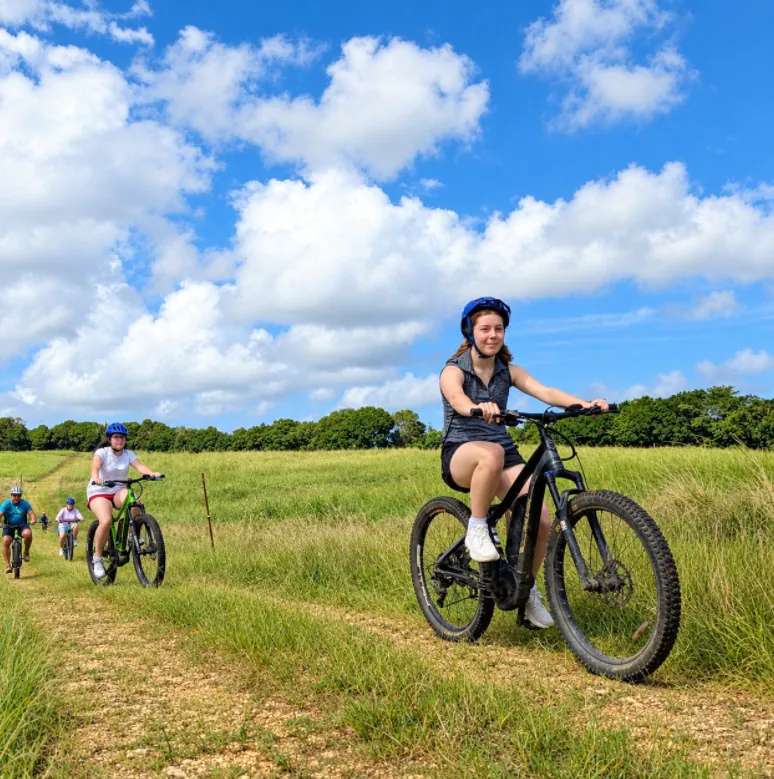
For US travelers especially, the appeal is not about cramming a schedule full of activities. It is about choosing experiences with texture. A morning on an eBike through cane country or a walk through historic Bridgetown can reveal more of Barbados than another lap around a resort pool – and still leave plenty of time for a late lunch and a swim.
Barbados travel trends are getting more local
The classic Barbados vacation was built around sun, sand, rum punch, and a well-earned afternoon nap. None of that is going anywhere, thankfully. The change is that more visitors now want to pair beach time with a closer look at the people, landscapes, and stories that make the island distinct.
That means small-group outings are increasingly appealing. Large coach tours can cover ground, but they often miss the moments that make a place memorable: a guide pointing out an old chattel house, a story about a village name, the scent of rain on a country lane, or the surprising sight of a green monkey making off through the trees. Travelers are looking for room to ask questions, pause for photos, and follow a conversation that was never printed on an itinerary.
This is particularly true for couples, families with older children, and active adults who want an experience that feels personal without requiring expedition-level fitness. Barbados is compact, but it is not flat. The island’s ridges, rolling interior, and dramatic east coast reward a little effort. Pedal-assist eBikes have become a smart answer because they let mixed-ability groups enjoy those hills together. Nobody needs to prove anything on vacation, except perhaps that they can still smile after a climb.
The east coast is drawing travelers beyond resort corridors
The west and south coasts remain wonderfully convenient, with calm water, restaurants, and resorts close at hand. Yet one of the strongest travel trends is a growing curiosity about the wilder side of the island. The Atlantic-facing east coast offers a different Barbados: wind-shaped cliffs, powerful surf, deep green gullies, and roads that seem to lead straight into the island’s rural heart.
Bathsheba is often the gateway to that feeling. Its famous rock formations and pounding waves are impressive, but the wider landscape deserves time too. Nearby ridges and country tracks tell a story of geology, agriculture, and communities that have kept their own rhythms despite the island’s busy tourism economy.
Places such as Edge Cliff and Hackleton’s Cliff bring the scale of the island into focus. From the higher ground, the patchwork of fields, homes, and coastline explains why Barbados is more varied than many first-time visitors expect. At PEG Farm and around Malvern Plantation, travelers can encounter a more agricultural, quietly beautiful side of the island, where food, land stewardship, and local life are part of the view.
These areas are not about ticking off attractions. Their value is in moving slowly enough to notice them. A knowledgeable local guide can make that time count, explaining why a route mattered, what grew there, and how the landscape connects to the island’s history.
Active travel without the hard sell
Travelers are choosing movement-based experiences, but that does not mean everyone wants to train for a race during their holiday. The trend is toward accessible activity: a scenic hike with breaks, a relaxed bike ride with electric assist, or a birding outing where the main goal is to look up and listen.
That distinction matters when choosing an excursion. A serious road cyclist may prefer a faster, more demanding route. A multigenerational group may be far happier with a small-group eBike tour that includes helmets, safety guidance, and a pace built around the people actually riding. It depends on the group, the weather, and how much sightseeing you want to absorb along the way.
Convenience has become part of the experience, too. Travelers increasingly favor tours with hotel, villa, or cruise-terminal pickup because it removes the puzzle of navigating unfamiliar roads, finding parking, and coordinating taxis. The best outdoor day feels relaxed before the first pedal turns.
Heritage is becoming a reason to get off the beach
Barbados carries centuries of history in plain sight, although it helps to have someone point it out. Travelers are increasingly looking for this context, especially as cultural travel becomes less about museum labels and more about stories told where they happened.
In Bridgetown, the UNESCO-listed Historic Bridgetown and its Garrison area offer layers of commercial, military, religious, and everyday island history. A walk through Cheapside, Palmetto Square, National Heroes Square, Swan Street, St. Mary’s Church, and the area around the Jewish Synagogue reveals a capital shaped by trade routes, migration, colonial rule, emancipation, entrepreneurship, and Bajan resilience.
The experience is stronger when history is not treated as a dusty side note. Barbados history belongs on country trails as much as it belongs in town. Sugar cane fields bring up conversations about plantation life and labor. Coastal paths can lead to stories of seafaring, storms, and the island’s relationship with the wider Caribbean. Even an old wall or a seemingly ordinary road can have a tale attached to it.
Bajan folklore adds another layer. The island is full of sayings, characters, cautionary tales, and humor that give visitors a more human connection to place. A good guide knows when to offer the historical date and when to offer the story that makes everyone lean in a little closer.
Wildlife and lower-impact experiences matter more
Nature-focused travel is no longer a niche interest reserved for dedicated birders. More visitors are building wildlife into their trip because it offers a quieter, more mindful way to experience Barbados. The island’s habitats can reward patient observers with shorebirds, herons, hummingbirds, and other resident or migratory species, especially when explored with someone who knows where and when to look.
Birding also suits travelers who want a gentler morning outdoors. There is no pressure to cover miles. Binoculars, comfortable shoes, sun protection, and a bit of curiosity go a long way. For keen bird-watchers, a dedicated outing with quality optics and local knowledge is far more useful than hoping to spot something from a hotel balcony.
The sustainability side of this trend is practical rather than preachy. Visitors increasingly want to support locally owned experiences, travel in smaller groups, and spend time in ways that do not require large-scale infrastructure or constant fuel use. Walking, hiking, and e-biking are natural fits. They create less noise, encourage closer observation, and help travelers distribute their spending beyond the familiar tourist strips.
Of course, responsible outdoor travel still means respecting the conditions. Barbados can be hot, trails can be uneven, and the east coast deserves caution around rough water. Bring a reusable water bottle, wear breathable clothing, use reef-conscious sun protection where possible, and follow your guide’s safety briefing. The island is friendly, but it is still the outdoors – sunburn has humbled many a confident visitor.
Cruise guests want depth, not just a drive-by
For cruise passengers docking in Bridgetown, time is the precious commodity. The old formula was a quick panoramic drive, a souvenir stop, and a race back to the ship. Increasingly, day-trippers are choosing focused experiences that offer a genuine sense of Barbados without the logistical worry.
A history-led Bridgetown walk can make excellent use of a shorter port day, particularly for guests who enjoy architecture, markets, and cultural storytelling. Active visitors may choose an eBike or nature experience, provided the operator has clear pickup arrangements, realistic timing, and a dependable return plan. The key is not trying to see the entire island in a few hours. Choose one side of Barbados and experience it properly.
How to follow these Barbados travel trends well
Build your trip around contrast. Pair a beach day with a countryside ride, a resort dinner with a local food stop, or a lazy morning with a guided walk through Bridgetown. Book outdoor activities early in your stay if possible, since the guide’s stories often give the rest of the vacation more meaning.
Dress for the activity, not the vacation photo. Closed-toe shoes are sensible for hiking and cycling, while light layers, sunglasses, and sun protection are useful year-round. If you are unsure whether a route suits your fitness level, ask before booking. A good local operator will give you a straight answer, not a heroic speech.
At eBike Barbados, that local, small-group approach means guests can explore beyond the usual resort view with transportation, equipment, safety support, and laid-back Bajan storytelling already organized. The best trend of all is simple: leave enough space in your Barbados itinerary for a road, ridge, bird call, or neighborhood you did not expect to remember.