Bajan Macaroni Pie: What’s the Deal in Barbados?
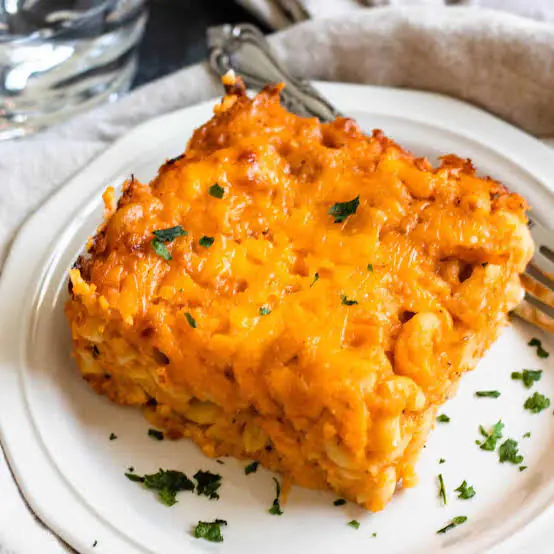

A plate arrives beside flying fish, grilled chicken, or a proper Bajan lunch, and there it is: a golden-topped square of pasta that is neither a side dish nor an afterthought. If you have been asking, “bajan macaroni pie; what’s the deal?”, the short answer is that this humble bake is one of Barbados’s great comfort foods – familiar enough to welcome you in, distinctive enough to make you wonder why every island has not claimed it.
Bajan macaroni pie looks, at first glance, like macaroni and cheese. Then you take a bite. It is firmer, more sliceable, often more boldly seasoned, and made to hold its own next to savory meats, fish, gravy, and pepper sauce. It turns up at family lunches, beachside food stops, casual restaurants, and celebrations across the island. For visitors who want to understand Barbados beyond a resort menu, it is a very tasty place to start.
Bajan Macaroni Pie: What’s the Deal?
The word “pie” can cause a little confusion. There is no pastry crust involved. Think of it as a baked macaroni and cheese casserole, cut into satisfying squares after it sets. The top should have some color and a gentle crispness, while the inside remains creamy without collapsing into a puddle on the plate.
The dish usually begins with long strand macaroni, often found only in the Caribbean, cheese, milk, eggs, butter, and seasonings. Cheddar is a common found Anchor New Zealand cheddar cheese, although the exact cheese blend depends on the cook, the household, and what is available. Some versions are mellow and deeply cheesy. Others carry a more assertive note from mustard, onion, garlic, black pepper, or a little heat. There is no single sacred formula, and any Bajan who tells you their family version is best is probably prepared to defend that statement over Sunday lunch.
That variation is the point. Macaroni pie is a home dish as much as a restaurant dish. One cook makes it dense and rich; another prefers a softer center. Some use a generous layer of cheese on top, while others stir nearly all of it through the pasta. A little ketchup is controversial in some kitchens, welcome in others. Visitors should not expect every serving to taste identical, and should not want it to.
More Than Caribbean Mac and Cheese
Barbados’s food culture carries the marks of Indigenous, African, British, and wider Caribbean histories, shaped over centuries of migration, trade, plantation agriculture, and family ingenuity. Macaroni pie belongs to that living story. It has clear roots in British-style baked pasta dishes, but Barbados made it its own through local tastes, seasoning habits, and the role it plays on the plate.
Traditional Bajan meals are built for sharing and for balance. A rich, cheesy pie might sit alongside salt fish, cou-cou, fish cakes, baked chicken, stewed pork, or fried flying fish. Its mild creaminess softens spicy flavors and rich sauces, while its firm texture makes it useful for feeding a crowd. It is comfort food with good manners: it knows how to support the rest of the meal without disappearing behind it.
For many Bajans, the emotional connection matters as much as the recipe. Macaroni pie can mean a family cookout, a school event, a church gathering, a packed takeout lunch, or a large Sunday table where nobody is pretending to be hungry. It is ordinary in the best sense – dependable, generous, and woven into daily life.
Why it is firmer than many American versions
American mac and cheese can range from saucy and spoonable to baked and crusty. Bajan macaroni pie generally leans toward the baked end of that spectrum. Eggs help bind the mixture, and the pie is given time to rest before serving. That creates neat portions with a sturdy bite.
This texture is practical as well as delicious. In the Caribbean heat, at a busy lunch counter, or on a plate piled with other good things, a side dish that stays put is no small achievement. The pasta should still feel tender, but it should not slide away from the fork like a cheese sauce wearing a disguise.
What Does Bajan Macaroni Pie Taste Like?
Expect cheese first, but not cheese alone. The best versions have a savory, buttery depth, a touch of tang from mustard or sharp cheddar, and enough seasoning to keep the dish lively. Onion and garlic may be present without announcing themselves. Black pepper is common. A little hot pepper sauce on the side can bring the whole plate into focus, though it is wise to add it gradually. Bajan pepper sauces are not interested in making timid first impressions.
The crusty top is part of the pleasure. It may be lightly browned and cheese-forward, or cooked until it gains a deeper, toastier flavor. Underneath, the pasta is compact and comforting. It is richer than plain boiled macaroni but usually less saucy than a bowl of stovetop mac and cheese.
Pairing matters. With fried fish, macaroni pie provides creamy contrast to a crisp exterior. Alongside grilled chicken or pork, it brings body and balance. With a bright salad or a helping of vegetables, it turns a simple lunch into a proper island meal. If you enjoy bold Caribbean seasoning but are traveling with children or less adventurous eaters, it is often a friendly order – familiar, filling, and still unmistakably local.
Where It Fits Into a Barbados Food Day
Do not treat macaroni pie as a novelty to tick off between beach stops. Let it be part of the rhythm of a day spent seeing the island. A morning along the east coast, where Atlantic waves work against the Bathsheba rocks, calls for a hearty local lunch afterward. So does a walk through historic Bridgetown, where architecture, markets, and old trade routes reveal a Barbados far deeper than the postcard view.
Look for it at small local restaurants, lunch counters, fish fry spots, and neighborhood takeout places rather than assuming the most polished dining room will offer the most memorable serving. Ask what it comes with that day. Often, the best move is to follow the daily plate rather than order each item separately. A local cook usually knows exactly which fish, stew, or chicken dish deserves that serving of pie.
There is a trade-off, of course. A large serving at midday can make an afternoon hike feel more like a nap with scenery. If you are heading out to explore coastal paths, cane-field lanes, or hillside views, choose a moderate portion, drink plenty of water, and save room for whatever comes next. Barbados rewards curiosity, but it also rewards sensible pacing.
A Few Etiquette Tips for First-Timers
There is no complicated rulebook. Eat it with a fork, enjoy it while it is warm, and do not be shy about trying the pepper sauce if it is offered. Just test a small amount first. You can always add more; negotiating backward with hot sauce is not one of the island’s easier adventures.
If you are ordering a local lunch, ask whether the macaroni pie is baked in-house and what the kitchen recommends alongside it. That simple question often starts a good conversation. Food is one of the easiest doors into Bajan hospitality, and plenty of cooks are rightly proud of their pie.
Vegetarians should ask how the dish is prepared and what it is served with. The pie itself is often meat-free, but recipes vary, and set lunch plates may come with meat or fish by default. Travelers with dairy or egg allergies should be especially cautious: the classic preparation relies heavily on both.
The Local Food Story Is Worth Following
A guided day outdoors can show you the cliffs, gullies, birdlife, and old parish roads that many visitors miss. A good lunch shows you how people gather, celebrate, and make a few everyday ingredients memorable. At eBike Barbados, our guides love sharing those small cultural details – the stories behind a roadside stop, a place name, a family recipe, or the food that turns an ordinary lunch into a Bajan one.
Leave room in your Barbados itinerary for macaroni pie, preferably on a day when you have seen a little more than the beach. It tastes even better after a real island adventure.