Pudding & Souse Barbados and the Saturday Ritual
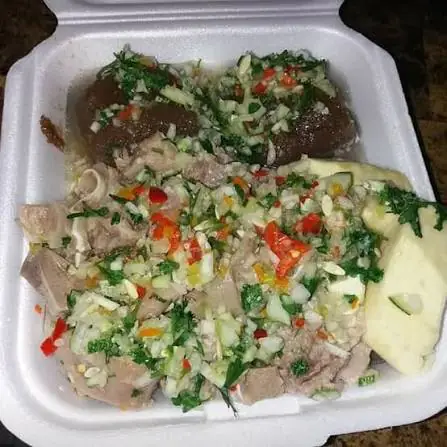

Saturday morning in Barbados has its own perfume: lime, pickled cucumber, hot pepper, herbs, and the unmistakable promise of a proper Bajan breakfast. Pudding & souse Barbados is not a polite little snack between poolside cocktails. It is a beloved weekend ritual, a plate with serious personality, and one of the tastiest ways to meet the island beyond the resort.
For visitors who want the real Barbados – the conversations, traditions, and food that locals genuinely look forward to – pudding and souse deserves a place on the itinerary. Come hungry, come curious, and do not mistake the pudding for dessert. That would be a very Bajan way to start an interesting conversation.
What Is Pudding & Souse in Barbados?
Pudding and souse is a traditional Barbadian dish usually enjoyed on Saturdays. The two parts are distinct but made for one another. Pudding is a seasoned, steamed sweet potato mixture, often prepared in a casing and sliced into rounds. Its flavor is savory, gently earthy, and warmly spiced. Depending on who makes it, you may notice herbs, onion, pepper, and other family-kept touches.
Souse is pork that has been cooked, then cured or marinated in a bright, tangy mixture. Lime juice, cucumber, onion, parsley or other herbs, salt, and Scotch bonnet pepper commonly bring the flavor to life. The pork itself can vary by cook and vendor, with some using cuts such as head, feet, ears, or other pieces prized for their texture and richness.
Together, the soft, hearty pudding and cool, sharp souse create a contrast that makes perfect sense after the first bite. The pickle-like tang cuts through the richness of the pork, while the pudding gives the plate body. Add a little pepper sauce only after a cautious taste. Barbados takes its peppers seriously, and the heat can arrive with more confidence than a cricket fan at Kensington Oval.
Why Saturday Belongs to Pudding & Souse Barbados
The dish is part of a wider Caribbean tradition of making the most of every part of an animal, preserving food with salt and acid, and turning practical cooking into something deeply flavorful. In Barbados, it also carries the comfort and anticipation of a weekly custom. Families may buy it from a trusted neighborhood cook, pick it up from a market stall, or prepare it at home using a recipe measured more by experience than by teaspoons.
That Saturday timing matters. Food traditions tell travelers something a restaurant menu cannot always explain: how a place keeps time. On Saturdays, Bajans may be running errands, visiting relatives, heading to the beach, or getting ready for a lime with friends. A stop for pudding and souse belongs naturally in that rhythm.
This is why it is worth seeking out early in your trip, rather than treating it as a last-minute food challenge. You may hear locals debating whose souse has the right amount of lime, whether the cucumber is sliced properly, or how much pepper is too much. Those are not small details. They are the delicious business of island identity.
It Is Not One Fixed Recipe
There is no single official plate of pudding and souse. One cook’s pudding may be smoother, darker, or more boldly seasoned than another’s. One souse may be pleasantly tart and cooling; another may make your eyes water before you have finished the first forkful. That variation is a feature, not a flaw.
If you are new to the dish, ask the vendor what is in their version and how spicy it is. A good question opens the door to a good food conversation, and people are often proud to explain the preparation. If you have dietary restrictions or allergies, be direct. Pork is central to traditional souse, and individual recipes can include ingredients that are not obvious from the plate.
How to Order and Eat It Like a Respectful Visitor
The best approach is simple: arrive early, be patient, and order from a busy spot with a good local following. Popular Saturday vendors can sell out, especially when the food is made in limited batches. A line is not a guarantee, but it is usually a promising sign that you have found something worth waiting for.
Ask for a small serving if you are uncertain about the texture or heat. You can always return for more, which is exactly how many food memories begin. Some places may offer bread or sides alongside the main plate, while others let the pudding and souse speak for itself.
Eat it fresh and pay attention to food handling, particularly in Barbados’s warm climate. Choose vendors who keep food covered, serve it promptly, and have a clean, active setup. This is sensible travel advice, not a reason to avoid street and market food. Some of the island’s most memorable meals are served from modest counters and roadside stalls, where the cook has been perfecting the same specialty for years.
A few local courtesies go a long way. Greet the person serving you, do not rush the exchange, and avoid comparing every bite to food back home. Pudding and souse does not need to resemble anything else to be excellent. Let it be what it is: proudly Barbadian.
Make a Food Stop Part of Seeing the Real Island
A Saturday food stop becomes even better when it is paired with a day that takes you beyond the usual beach corridor. Barbados is small enough to explore with intention, but varied enough that the landscape changes quickly. One hour you might be looking across cane fields and old plantation country; later, the Atlantic could be breaking dramatically below the cliffs of the east coast.
Those landscapes help explain why local food has such a strong sense of place. Barbados was shaped by Indigenous presence, colonial trade, African knowledge and resilience, migration, agriculture, and a long tradition of communities making remarkable things from what was available. The island’s cooking carries those layered stories without needing to turn every meal into a history lecture.
A ride or hike through the countryside can make the plate feel even more connected. Around Bathsheba, Hackleton’s Cliff, Edge Cliff, PEG Farm, or the quiet lanes near Malvern Plantation, the scenery offers a Barbados many visitors miss from a hotel shuttle. You will see working communities, fruit trees, grazing land, gullies, and views that ask you to slow down.
That is the spirit behind a locally guided experience with eBike Barbados: moving at an easy pace, hearing the stories behind the roads and ridges, and leaving room for the everyday discoveries that do not appear on a standard sightseeing checklist. Pedal-assist eBikes are especially handy on the island’s rolling terrain, so mixed-ability groups can enjoy the route together without turning the outing into a fitness test.
A Few Practical Tips for Travelers
Plan for pudding and souse on a Saturday morning or around lunchtime, and keep your schedule flexible. The most memorable places are not always formal restaurants with fixed all-day service. Your hotel team, villa host, taxi driver, or local guide may know who is preparing it that week and where to go.
Bring cash in Barbadian dollars if possible, though payment options vary. Dress casually, carry water, and save room in your day for a walk, coastal viewpoint, or a gentle ride afterward. The dish is satisfying, and a breezy east-coast stop can be just the thing after its bright, peppery kick.
Travelers on a tight cruise schedule should be especially careful about timing. A quick food stop can be wonderful, but it should fit around your return-to-port plan rather than become a stressful race. A knowledgeable local guide or driver can help make the day feel relaxed and organized.
When you find a plate you love, thank the cook and remember the name of the place. Pudding and souse is more than a box to tick on a Caribbean food list. It is a Saturday tradition made by real people, with plenty of lime, plenty of opinions, and the kind of flavor that follows you home in the best possible way.