Why Barbados’ Obsession With Flying Fish Endures
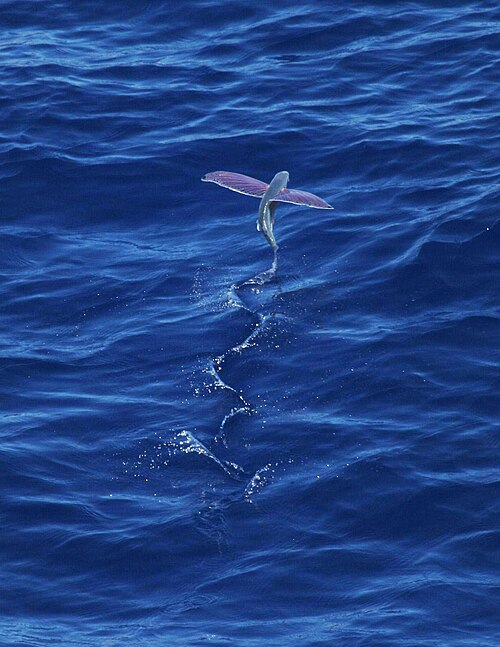

At a Bajan fish fry, the flying fish may arrive folded into a hot cutter, tucked beside golden cou-cou, or fried crisp enough to make you reach for a cold drink. Barbados’ obsession with flying fish is not simply about a favorite meal. It is a story of seafaring knowledge, family kitchens, national identity, and an island that has long looked outward to the sea.
For visitors, flying fish is one of the tastiest ways to get beyond the postcard version of Barbados. Order it at a neighborhood spot, listen to how locals discuss the best seasoning or the freshest catch, and you will quickly understand that this small silver-blue fish carries serious cultural weight.
Why Flying Fish Means So Much in Barbados
Flying fish are a familiar sight in the warm waters around Barbados. When startled, they burst from the sea and use enlarged fins to glide above the surface, sometimes covering remarkable distances before returning to the water. That flash of movement has fascinated generations of Bajans and visitors alike.
The fish became such a recognizable part of island life that Barbados earned the nickname “the land of the flying fish.” It appears in local art, souvenirs, stories, and even official imagery. But the symbolism is grounded in everyday life. For coastal communities, fishing was not a novelty or a photo opportunity. It was skilled work, a source of food, and a connection between households, markets, and the open Atlantic.
There is also a practical reason flying fish became beloved. It is mild, versatile, and well suited to Bajan seasoning. A cook can steam it with herbs and lime, fry it, pickle it, make fish cakes, or serve it in a rich sauce. Each preparation gives the fish a different character, which means families can have firm opinions about what counts as the proper way to eat it. That is where the friendly debates begin.
Barbados’ Obsession With Flying Fish Is Really About Home
Calling it an obsession is fun, but the deeper truth is affection. Flying fish represents resourcefulness and continuity. It brings together the person who catches it, the vendor who cleans it, the cook who seasons it, and the family or friends gathered around the table.
The classic dish is flying fish and cou-cou, widely regarded as Barbados’ national dish. Cou-cou is made from cornmeal and okra, cooked until smooth and satisfying. The fish is often prepared in a tomato-based gravy with onions, peppers, herbs, and Bajan seasoning. The result is comforting rather than fussy: soft cou-cou, tender fish, and a sauce with enough flavor to make you slow down for another bite.
Visitors sometimes expect Caribbean food to be relentlessly fiery. Barbados can certainly bring heat, especially when pepper sauce is close at hand, but flying fish dishes are usually more about balance. Lime, thyme, parsley, marjoram, garlic, onion, and fresh pepper can all play a part. The exact combination depends on the cook, and wisely so. Nobody’s grandmother wants a recipe lecture from a stranger.
From Fishing Boat to Bajan Plate
A flying fish meal starts well before the kitchen. Barbados has a long fishing tradition, and landing sites and markets remain places where island life feels especially immediate. Boats return, crews unload, fish are sorted, and regular customers arrive knowing exactly what they are after.
The work requires knowledge of weather, currents, seasonal patterns, and the sea’s changing moods. On Barbados’ Atlantic-facing east coast, that respect for the ocean is easy to understand. The views at Bathsheba or along the island’s rugged cliffs are spectacular, but the same coastline can be powerful and unpredictable. Local fishing culture was shaped by that reality.
Freshness matters with flying fish. The delicate flesh is best handled carefully and cooked without delay, which is one reason a plate of it can taste so different when enjoyed on the island. Frozen or heavily processed versions may be convenient elsewhere, but they cannot fully recreate the bright, clean flavor of a freshly prepared Bajan meal.
This is also why it pays to ask what is available rather than arriving with a rigid order in mind. Menus change with the catch, and that is not poor planning. It is a sign that a kitchen is cooking with the sea, not against it.
The Many Ways Bajans Serve It
If you see flying fish on a menu, the preparation tells you plenty about the experience ahead. Fried flying fish is crisp, quick, and excellent in a salt bread cutter with lettuce, tomato, and a little sauce. Steamed flying fish tends to be gentler, often served with ground provisions, rice, or macaroni pie. Pickled flying fish brings tang and spice, while fish cakes turn the flavor into a snack made for sharing.
Then there is the celebratory plate of flying fish and cou-cou. This is the one to try when you want the full cultural introduction, preferably somewhere that does not rush the meal. A good serving is not about giant portions or fancy plating. It is about the confidence of food made many times, by someone who knows when the seasoning is right.
Where Food Becomes Island Storytelling
Food opens doors to Barbados history because it reflects how the island has adapted, traded, worked, and gathered. The ingredients on a plate reveal African culinary traditions, colonial-era agriculture, maritime life, and the creativity that comes from making beautiful food from what is close at hand.
That same connection is visible far beyond the coast. Ride through cane country, pause at a village shop, or walk historic Bridgetown, and you begin to see how tightly the island’s landscapes and communities are woven together. A meal of flying fish may be rooted in the sea, but its seasonings, side dishes, and stories travel across the whole island.
At eBike Barbados, our guides love these kinds of conversations because they make a scenic stop more meaningful. A ridge view is never just a ridge view when you understand the old routes below it, the communities nearby, and the ways Bajans have always moved between land and sea. The island is compact, but it contains plenty of history between breakfast and lunch.
How to Eat Flying Fish Like a Thoughtful Visitor
Start with curiosity, not a checklist. Ask the server how the fish is prepared and whether it is fresh that day. If you are unsure about bones, say so. Flying fish is commonly filleted, but preparation varies, and a friendly question is better than an awkward surprise halfway through lunch.
Try the local sides, too. Cou-cou is the classic partner, but macaroni pie, breadfruit, sweet potato, rice and peas, or a simple salad may also appear. Add pepper sauce cautiously. Bajan pepper sauce can be wonderful, but a tiny taste first is a sensible bit of vacation planning.
If seafood is not your thing, do not force it. Barbados offers plenty of other excellent local dishes, and food preferences are personal. But for travelers who enjoy fish, flying fish is one of the clearest invitations to eat as the island eats rather than settling for a generic resort menu.
A Small Fish With a Big Welcome
Flying fish is easy to romanticize, especially when you spot one gliding over bright water. Yet its real appeal is more grounded: it is food with memory, work behind it, and a place at the table. That is why Bajans speak of it with such pride.
When you find a well-cooked plate, take your time with it. Ask who made it, what seasoning they favor, and whether they think cou-cou should be soft or firm. You may get a laugh, a strong opinion, and a much better taste of the real Barbados than any souvenir can offer.
