Explore Bridgetown on Foot With a Local Guide
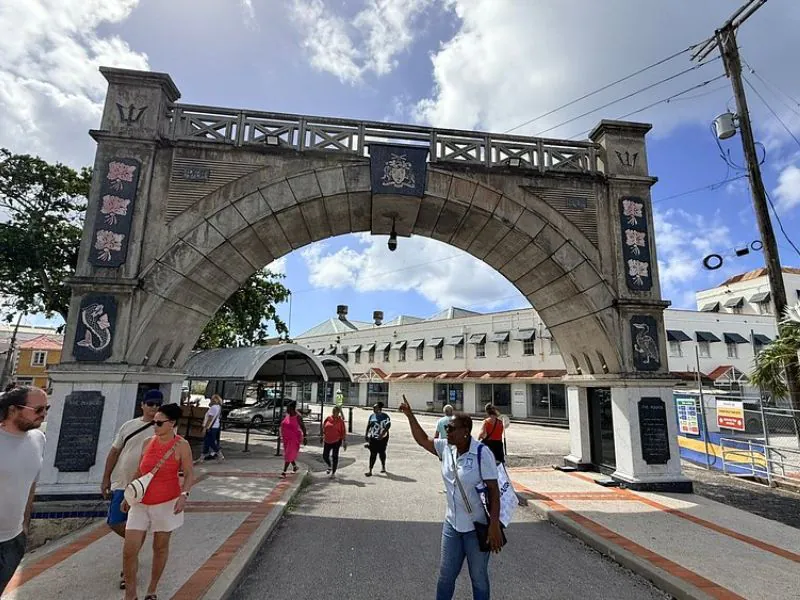

Bridgetown is best understood at walking pace. To explore Bridgetown on foot is to notice the details a coach window misses: the weathered coral-stone walls, the call of a market vendor, the sea breeze moving through a historic square, and the stories tucked behind an ordinary-looking doorway. This is Barbados’ capital, but it is not a museum piece. It is a working city with centuries of trade, faith, resilience, and Bajan life still moving through its streets.
For travelers who want more than a quick photo near the cruise terminal, a guided walk brings the city into focus. You will cover ground, certainly, but the real reward is context. A fun, laid-back local guide can point out where global commerce met island enterprise, where communities worshipped and gathered, and how Bridgetown became a UNESCO World Heritage site without losing its everyday character.
Why Bridgetown Rewards Curious Walkers
Bridgetown developed around water, movement, and exchange. Its natural harbor drew ships from across the Atlantic, while the streets behind it connected merchants, craftspeople, laborers, families, and visitors. That history is visible in the city’s layout, although it takes a knowledgeable eye to read it.
Walking lets you slow down at the places where Barbados’ bigger story becomes personal. You can stand near the careenage, where vessels were once repaired, then move toward civic spaces shaped by colonial rule, emancipation, and the island’s journey to nationhood. It is history with traffic, sunshine, conversation, and occasionally a rooster making a guest appearance. That is Bridgetown for you.
The terrain is generally manageable for most visitors, but this is a tropical city. The midday sun can feel serious, and uneven pavement appears in places. A morning or later-afternoon tour is often the most comfortable choice, especially for families, active adults, and cruise guests who want to stay fresh for the rest of their day.
Explore Bridgetown on Foot, Stop by Story
A well-paced historic walking route should not feel like a lecture delivered at top speed. It should give each stop room to breathe, while keeping the group moving comfortably through the city.
National Heroes Square and the Careenage
National Heroes Square is a natural starting point for understanding public life in Barbados. It sits close to the water and offers a view into the island’s changing political identity. Here, the conversation can move from colonial administration to the Barbadians whose leadership helped shape a modern independent nation.
Nearby, the Careenage tells another chapter. Before Bridgetown became the bustling capital visitors see today, this sheltered waterway supported the repair and servicing of ships. Look beyond the pretty boats and waterfront scene, and you are looking at a place tied to trade routes that connected Barbados to Europe, Africa, and the wider Caribbean.
Cheapside Market and Swan Street
If monuments show the formal side of a city, markets reveal its pulse. Around Cheapside, local commerce has long been part of the rhythm of Bridgetown. Depending on the day and time, you may catch a livelier scene of produce, conversation, and the practical business of feeding a community.
Swan Street offers a different kind of energy. This well-known shopping street has been a commercial artery for generations. A guide can help you see past the storefronts and recognize the architecture, street patterns, and social history behind the bustle. Bring a little spending money if you enjoy browsing, but do not mistake the walk for a shopping trip. The real souvenir is the story you take away.
St. Mary’s Church and the Jewish Synagogue
Bridgetown’s religious sites speak to the island’s diverse communities and long-standing connections across the Caribbean and Atlantic world. St. Mary’s Church is one of the landmarks that helps tell the story of faith, migration, and continuity in the capital.
The historic Jewish Synagogue area is equally significant. Barbados is home to one of the oldest Jewish communities in the Americas, and its presence adds another vital layer to the island’s cultural history. These places deserve more than a quick look. With thoughtful interpretation, they reveal how people of different backgrounds built lives and institutions on a small island with global reach.
Palmetto Square and the Streets Between
Some of the most revealing moments happen between the headline landmarks. Palmetto Square and the surrounding streets invite conversation about community, housing, work, and the city beyond its postcard image. This is where local storytelling matters most.
A Bajan guide may share folklore, explain a familiar expression, or connect a building detail to a larger island tradition. Those little moments are not side notes. They are how visitors begin to understand the real Barbados – proud, resourceful, witty, and never quite as simple as a guidebook makes it sound.
What to Wear and Bring for a Comfortable Walk
Bridgetown is compact enough to enjoy on foot, but comfort makes all the difference. Choose breathable clothing, comfortable walking shoes or supportive sandals, and a hat. Sunscreen and a refillable water bottle are wise year-round, while a light rain layer is useful during passing showers.
Keep valuables close and travel light. You will want your hands free for photos, a cool drink, and perhaps a local snack along the way. If you are arriving by cruise ship, plan for the fact that walking tours operate on a schedule. Give yourself a sensible buffer rather than trying to squeeze in one more onboard activity before departure.
Why a Small Group Makes the Difference
Bridgetown has plenty to show you, but it does not need a megaphone. In a small group, you can hear the guide, ask questions, and pause without feeling like you are holding up a crowd of fifty. That matters when the subject ranges from architecture and trade to the complicated human history of slavery, emancipation, and self-determination.
Small groups are also easier to manage safely on city streets. Your guide can set a comfortable pace, help the group navigate crossings, and adjust for heat or mobility needs where possible. It is a better fit for curious travelers than a rushed bus stop, especially when your time in Barbados is limited.
At eBike Barbados, our historic Bridgetown walking experience is led by local guides who keep the atmosphere easygoing while bringing real depth to every stop. For hotel, villa, and cruise guests, organized pickup and reliable timing remove the transport guesswork, so you can focus on the city rather than figuring out where to meet.
A Few Practical Questions Before You Go
Is Bridgetown suitable for first-time visitors?
Absolutely. In fact, a guided walk is one of the best introductions to Barbados because it explains the island beyond the beach. First-time visitors gain a useful sense of place, while repeat guests often find stories and corners they had missed entirely.
How much walking is involved?
It depends on the route and pace, but expect a relaxed urban walk of approximately 5 Km with standing stops for storytelling. This is not a strenuous hike, though guests should be comfortable walking on pavement in warm conditions. Let the tour team know in advance about mobility concerns so they can offer the most suitable guidance.
Can children join a Bridgetown walking tour?
Families who enjoy history, stories, and local culture can have a wonderful time, particularly with older children who are ready to walk and listen. The best fit depends on your child’s interests, attention span, and the day’s heat. A good guide keeps the experience engaging, not classroom-like.
Bridgetown is more than the place you pass through on the way to the beach or back to the ship. Give it a few unhurried hours, listen closely, and let its streets introduce you to the Barbados that has been here all along.