How Are Caribbean Spiny Lobsters Different From The Ones In Maine?
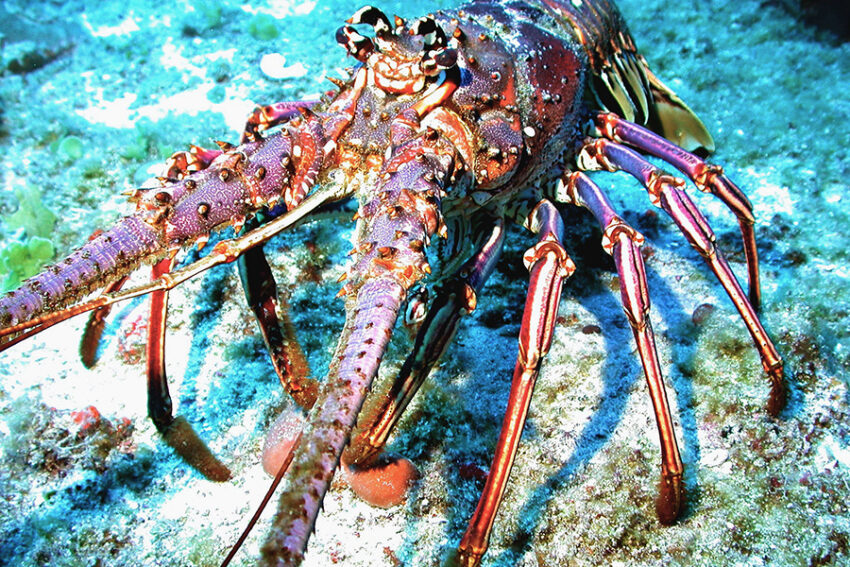

A lobster dinner in Barbados may look familiar on the menu, but it arrives with a very different island story. When travelers ask, “how are Caribbean spiny lobsters different from those found in Maine,” they are usually picturing one thing: the famous, clawed Maine lobster. In Barbados and across much of the Caribbean, however, the lobster on your plate is typically a Caribbean spiny lobster – a warm-water creature built for reefs, not icy North Atlantic waters.
That difference shows up in its appearance, where it lives, how it is prepared, and even the way responsible diners should order it. Knowing what you are eating adds another layer to a proper Bajan meal, especially after a morning spent along the coast, through cane country, or exploring the island beyond the resort.
Caribbean Spiny Lobsters vs. Maine Lobsters
The simplest answer is that these are different species from different climates. Caribbean spiny lobster, scientifically known as Panulirus argus, lives in the tropical western Atlantic, including Barbados. The lobster most visitors associate with New England is the American lobster, Homarus americanus, found in the colder waters off Maine and northeastern North America.
They may share the word “lobster,” but they do not share the same silhouette. A Maine lobster has two large front claws, one generally used for crushing and the other for cutting. A Caribbean spiny lobster has no oversized claws at all. Instead, it has long, dramatic antennae and a heavily armored head and body. Its useful meat is concentrated mainly in the tail, while the smaller legs can offer a little extra for patient seafood lovers.
If you see a local lobster tucked under a reef ledge or featured at a beachside grill, those long antennae are the giveaway. No big claws, no question.
Built for two very different coastlines
Maine lobsters thrive in cold water and commonly shelter among rocky seafloors. Caribbean spiny lobsters prefer warm, shallow coastal habitats such as coral reefs, rocky crevices, seagrass beds, and mangrove areas. In Barbados, those habitats sit within a much larger coastal ecosystem that also supports reef fish, sea turtles, corals, and countless smaller marine creatures.
That is why lobster is more than a menu item here. It is part of the living coast. The island’s east and southeast shores, with their changing Atlantic conditions, tell a different marine story from the calmer western coast. A good local guide will remind you that the sea is never just scenery – it has fed communities, shaped trade, and influenced where people settled for generations.
The Biggest Difference Is the Claws
A Maine lobster is famous for its claw meat. It is often served whole, steamed or boiled, with diners cracking through the shell for meat from the claws, knuckles, tail, and body. It is a wonderfully hands-on meal, usually paired with melted butter and perhaps corn or potatoes.
Caribbean spiny lobster is generally served tail-first. The tail is broad, muscular, and packed with firm white meat. On Barbados, it may be grilled, broiled, split and seasoned, served with rice and peas, or added to a dish that lets the sweetness of the lobster do the talking. You may find it alongside plantain, fresh salad, or a peppery local sauce with enough personality to wake up the whole table.
Neither approach is automatically better. It depends on what you enjoy. Maine lobster offers variety across the animal, especially for anyone who loves claw meat. Caribbean spiny lobster is more direct: less picking, more tail meat, and often a bold grilled preparation suited to warm island evenings.
How Does the Flavor Compare?
Both types of lobster are mildly sweet, delicate, and rich enough to feel special. Still, their texture and flavor can differ slightly because they are different species living in different conditions.
Maine lobster is often described as tender and buttery, particularly in the claws and knuckles. Caribbean spiny lobster tends to have firmer, denser tail meat. Many people find it a little leaner in texture, with a clean, sweet flavor that stands up beautifully to grilling, citrus, garlic, herbs, and Caribbean seasonings.
Preparation matters as much as species. An expertly cooked lobster tail should be moist and tender, not rubbery. Overcooking can make any lobster disappointingly tough, whether it was pulled from a trap in Maine or brought ashore in the Caribbean. When in doubt, choose a restaurant that treats local seafood with care rather than one trying to turn every plate into a spectacle.
Why grilling suits Caribbean lobster
Grilling is especially popular for spiny lobster because the tail does much of the work. Split through the shell, it can be brushed with butter, lime, garlic, or a Bajan-style seasoning and cooked over high heat. The shell protects the meat while adding a light smokiness.
This is also why a grilled Caribbean lobster meal feels so right in Barbados. It is straightforward, flavorful, and close to the landscape – warm air, salt on the breeze, and food that tastes like it belongs near the water. Fancy white tablecloths are optional. Good cooking is not.
Size, Availability, and Responsible Ordering
Both Maine and Caribbean lobsters are managed through regulations intended to protect breeding adults and sustain the fishery. The rules can cover minimum sizes, methods of capture, protected egg-bearing females, and seasonal closures. Those details vary by location and can change, so visitors should not assume that lobster is available year-round simply because it appears on a menu.
In Barbados, responsible seafood choices matter. Caribbean spiny lobsters need time to reproduce and grow, and seasonal protections help preserve the resource for local fishers, restaurants, and future visitors. If you are visiting during a closed season, respect it. A restaurant offering another fresh local catch is not giving you second best – you may be getting mahi-mahi, flying fish, snapper, or another excellent taste of the island instead.
Ask where the seafood came from and what is freshest that day. It is an easy way to support businesses that take local sourcing seriously. It also opens the door to a better conversation with the people cooking your meal, who may have far better recommendations than a generic tourist menu.
What This Means for a Barbados Visitor
Do not arrive expecting the classic boiled, clawed lobster experience from a New England dockside shack. Barbados offers something different, and that is exactly the point. Caribbean spiny lobster is part of a tropical food culture shaped by reefs, fishing traditions, open-flame cooking, local produce, and a healthy respect for the sea’s seasons.
The best island meals often follow a full day outdoors. Perhaps you have been riding a quiet country lane on an eBike, looking over the Atlantic from a cliffside viewpoint, or learning how sugar, shipping, and migration shaped the communities around you. By dinner, a plate of grilled lobster is not just dinner. It is one more connection to place.
For travelers who enjoy the real Barbados, that context is worth seeking out. Look beyond the standard beach buffet, ask a local where they would eat seafood, and stay open to the catch of the day. The island has a way of rewarding curiosity – usually with a good view, a good story, and something delicious on the plate.