What Is the Local Food Culture Like In Barbados?
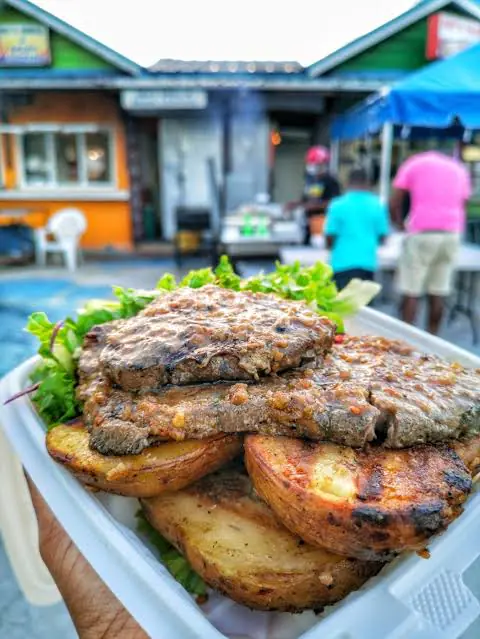

A plate of flying fish and cou-cou tells you more about Barbados than a resort buffet ever could. So, what is the local food culture like on Barbados? It is sociable, proudly local, shaped by the sea and the sugar-cane fields, and best understood one bite and one conversation at a time. Food here is not simply fuel between beach stops. It is family memory, Friday-night ritual, neighborhood news, and a very good reason to take the scenic route.
For visitors, the joy is in looking beyond the familiar. The island’s food culture rewards an appetite for small counter-service shops, market stalls, roadside grills, and unhurried meals where someone may happily explain exactly how their grandmother made it.
What Is the Local Food Culture Like in Barbados?
Bajan cooking draws on African, British, Indian, Irish, and wider Caribbean influences, but it has a character all its own. Fresh fish, root vegetables, rice, herbs, hot pepper, and spices appear again and again. The flavors can be bright and savory, with heat used for personality rather than punishment. That said, a pepper sauce can still sneak up on the overconfident.
The food culture is also wonderfully practical. Barbados is a small island, and traditional cooking makes good use of what is locally available: flying fish from the surrounding waters, breadfruit and sweet potato from the ground, and seasonings grown or blended with care. Many dishes developed from ingenuity as much as abundance, including recipes born from plantation-era hardship and the resourcefulness of Barbadian households.
There is no single “authentic” meal that covers the whole island. A fish cutter grabbed on the go, a Sunday lunch shared with family, and a plate from a roadside grill each show a different side of Bajan life. The best approach is to try a mix of formal and informal places, then let your appetite guide the rest.
Start With the Dishes Bajans Know Best
Flying fish is the ingredient most visitors associate with Barbados, and for good reason. It is traditionally seasoned, steamed or fried, and often served with cou-cou, a smooth dish made from cornmeal and okra. Together, they are considered the national dish. Cou-cou has a soft, comforting texture, while the fish brings a delicate flavor that benefits from a little lime, pepper sauce, or gravy.
Another essential is the fish cutter. This is a simple sandwich, usually made with salt bread and a piece of fried fish, often dressed with lettuce, tomato, cheese, sauce, or pepper. It is a beach-day favorite, but locals do not need an excuse to enjoy one. A cutter is proof that a quick lunch can still feel distinctly Bajan.
You will also see macaroni pie everywhere, especially alongside fried fish, chicken, or barbecue. Think of it as baked macaroni and cheese with a firmer sliceable texture and a golden top. Recipes vary by household, which is part of the point. Asking who makes the best macaroni pie can start a friendly debate in minutes.
Pudding and souse is another well-loved weekend tradition. Pickled pork is paired with steamed sweet potato pudding, often made with spices and a little heat. It may sound unfamiliar to some visitors, but this is exactly the sort of dish worth trying when you want to move past a standard vacation menu.
The snacks are part of the story
Save room for Bajan snacks and sweets. Fish cakes are crispy, seasoned fritters usually served with a spicy dip. Tamarind balls, coconut turnovers, sugar cakes, and guava cheese offer a sweeter look at the island’s pantry. At a market or small shop, these are easy tastes to share, particularly if your group cannot agree on just one thing.
Friday Fish Fry Is a Social Occasion
If you are on the island on a Friday evening, a fish fry is one of the clearest windows into local food culture. The best-known gathering is in Oistins, where grills send up smoke, music carries through the air, and visitors and locals queue for marlin, mahi-mahi, tuna, lobster when in season, and flying fish.
The experience is lively and worth having, especially for a first visit. But it is not the only way to eat fish in Barbados. Smaller neighborhood spots and roadside grills can offer a quieter, more everyday version of island dining. The trade-off is simple: Oistins brings energy and choice, while a less famous stop may offer more time to chat and a stronger sense of the local rhythm.
Order what looks good, ask what is freshest, and be ready for portions that may be more generous than expected. Side dishes often include rice and peas, salad, macaroni pie, fries, breadfruit, or plantains. If you are sensitive to spice, ask for pepper sauce on the side. Bajans are hospitable, but they will not want your dinner ending in tears.
Rum Shops, Markets, and the Everyday Table
A rum shop is far more than a place to order a drink. Traditionally, it is a neighborhood gathering place – part shop, part social hub, and often a place to find conversation as flavorful as the food. Some serve simple plates, grilled items, or snacks; others are better for a cold drink and a lime with locals. The atmosphere differs widely, so follow your guide’s recommendation and treat each space with respect.
Markets reveal another layer of Bajan food life. Bridgetown’s market area and smaller community vendors are where produce, herbs, ground provisions, fresh fish, and prepared foods connect island growers and cooks with daily life. Look for breadfruit, yams, cassava, okra, pumpkin, mangoes, and seasonings that make a kitchen smell like a proper Sunday meal is on the way.
Food shopping here is personal. People know which vendor has the sweetest fruit, who has the freshest catch, and where to find a particular seasoning. Travelers who slow down, greet people warmly, and ask a genuine question will often get better recommendations than those who rush in searching for a checklist item.
Sugar, Sea, and the History on the Plate
Barbados’s food cannot be separated from its history. Sugar shaped the island’s landscape, economy, and communities for centuries, leaving a legacy that is both deeply woven into local culture and impossible to discuss without acknowledging the brutal system of enslavement that sustained it. The ingredients, preservation methods, and cooking traditions of Barbados carry the ingenuity and endurance of African-descended people whose knowledge formed the foundation of much of the island’s cuisine.
The sea matters just as much. Coastal villages and fishing communities have long supplied kitchens with the catch of the day, while inland farms contribute vegetables, herbs, and fruit. Riding through cane country, stopping near the rugged east coast, or walking through historic Bridgetown gives meals a richer context. You begin to see that the plate reflects the island’s geography as surely as its history.
This is why a local guide can make a food stop more meaningful. It is not only about pointing out where to buy a fish cake. It is about explaining why breadfruit is so treasured, how a fishing village grew, or why a particular recipe belongs to a certain day of the week.
How to Eat Like a Respectful Visitor
There is no need to chase every famous dish in one day. Eat where there is a steady local crowd, ask staff what they recommend, and be open to foods that are unfamiliar. A little patience goes a long way when something is cooked fresh.
Meal times may feel more relaxed than travelers expect, particularly at small independent spots. That is part of the experience, not a service failure. If you have a cruise departure, a timed activity, or a dinner reservation, build in a buffer. And while cards are common in many places, carrying some cash is useful for small vendors and snack stops.
Dietary needs can usually be managed with clear communication, but choices vary outside larger restaurants. Vegetarian visitors will find vegetable sides, rice dishes, salads, and fresh fruit, though it is wise to ask how each item is prepared. Seafood lovers have the broadest field, especially when they are willing to eat according to the day’s catch.
A guided day out can be a natural way to put these flavors in context. On an eBike Barbados excursion, the island’s ridges, village lanes, history, and countryside conversations make the food you enjoy afterward feel less like a souvenir and more like a connection. Arrive hungry, stay curious, and let a Bajan plate point you toward the Barbados few visitors get to know.