Is the Local Tap Water Safe to Drink in Barbados?
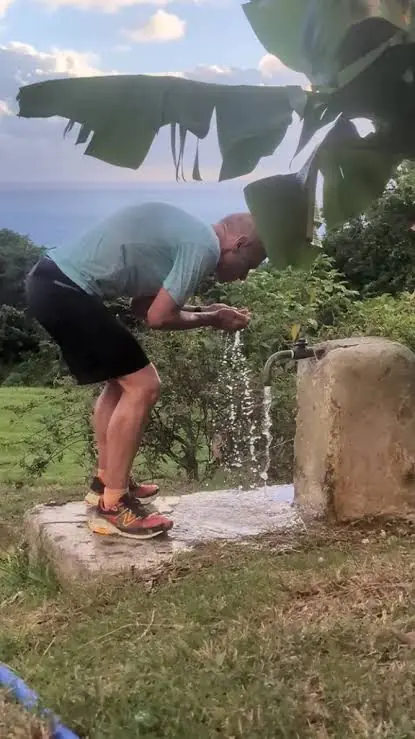

The first cold glass of water after stepping out of Barbados’ warm Caribbean air is a small but very practical holiday question: is the local tap water safe to drink in Barbados? For most visitors, the answer is yes. Barbados has a well-regarded public water supply, and tap water is generally considered safe to drink across the island. That is the short answer. Here is the helpful local context before you fill your bottle and head out to see the side of Barbados beyond the resort pool.
Is Barbados Tap Water Safe to Drink?
Barbados’ public water comes largely from underground limestone aquifers and is treated before it reaches homes, hotels, restaurants, and businesses. The island’s water is often praised for having a clean, pleasant taste, especially compared with places where visitors automatically rely on bottled water.
If you are staying at an established hotel, resort, villa, or guesthouse connected to the public supply, drinking water from the tap is fine. Ice served in reputable restaurants and hotels is also made with safe water. You can brush your teeth with tap water without giving it a second thought.
The sensible caveat is not the island’s water source itself. It is the property. An older building may have aging pipes, a rooftop storage tank, or a filter system that has not been maintained as carefully as it should be. That is uncommon at well-managed accommodations, but it is worth asking your host if the tap water is suitable for drinking when you arrive. A quick local question can save a lot of unnecessary guessing.
Why Some Visitors Still Choose Bottled or Filtered Water
Choosing bottled or filtered water does not automatically mean the tap water is unsafe. Sometimes it is simply about preference. Travelers with sensitive stomachs may prefer to change one thing at a time when adjusting to a new climate, new foods, rum punch, and a holiday schedule that suddenly includes more sun than usual.
Water can also taste slightly different from one area or property to another because of minerals, storage, or plumbing. If the flavor is not to your liking, a reusable bottle with a built-in filter is an easy middle ground. It lets you stay hydrated without adding piles of single-use plastic to the island’s waste stream.
For families traveling with babies, people with a medical condition, or anyone whose doctor has given specific water guidance, follow that personalized advice first. And if your accommodation tells you not to drink from a particular tap, take them at their word and use the water they recommend.
What About Rural Areas and Outdoor Stops?
When you are exploring Barbados’ countryside, the answer remains mostly the same: use water from a known public supply or from a trusted venue. Do not assume that every outdoor faucet, trail-side tap, or rainwater tank is drinking water.
That matters when your day takes you away from the usual visitor corridors and toward places such as Bathsheba, Hackleton’s Cliff, cane-field lanes, or the island’s breezy east coast. Those are the places where Barbados feels wonderfully wide open – and where it pays to carry your own filled bottle rather than hoping a water source will appear at exactly the right moment.
Rainwater collected in tanks may be used for household purposes at some properties, but it should not be treated as drinking water unless the owner clearly confirms it has been properly treated. The same rule applies to streams and natural pools. Beautiful does not mean potable, no matter how tempting the water looks after a warm hike.
Staying Hydrated Is the Bigger Holiday Challenge
For many visitors, dehydration is more likely to spoil a day than tap water. Barbados can feel deceptively comfortable when there is a trade wind, but the sun still works overtime. Add cycling, walking, hiking, swimming, or a couple of afternoon cocktails, and you can run low on fluids before you notice.
Start the day with water, not only coffee. Bring a refillable bottle whenever you leave your hotel, and take regular sips instead of waiting until you feel thirsty. If you are out for several hours in the heat, particularly on an active tour, consider an electrolyte drink as well. Water does the main job, while electrolytes can help replace what you lose through sweat.
Signs that you need to slow down and drink more include headache, dizziness, unusual fatigue, dry mouth, or dark-colored urine. Find shade, rest, cool down, and let someone know if you are feeling unwell. The island is for enjoying at a relaxed Bajan pace, not proving anything to the midday sun.
A Practical Water Plan for Your Barbados Vacation
There is no need to arrive with a suitcase full of plastic bottles. A simple plan works better. Fill a reusable bottle at your hotel or villa before heading out, refill at reputable restaurants or cafés, and keep an extra bottle in the car for longer island days.
If you are traveling by cruise ship, bring water with you when you disembark and top up before your excursion begins. Cruise schedules can make every minute feel precious, and nobody wants to spend part of a Barbados shore day hunting for a drink instead of enjoying a view.
For guided outdoor experiences, check what is provided before you set off. At eBike Barbados, guests are given the practical support to enjoy the ride comfortably, while local guides keep the day relaxed, organized, and safely paced. You should still arrive hydrated and carry any personal medication or preferred electrolyte drink you may need.
Four Times to Be Extra Careful
There are a few situations where a little extra attention makes good sense:
- After a long flight, when cabin air and travel fatigue can leave you more dehydrated than you realize.
- During a beach or pool day, when being in the water can disguise how much you are sweating.
- On hikes, bike rides, and east coast explorations, where shade and nearby shops may be limited.
- After alcohol, especially if a sunset rum cocktail quietly becomes two.
None of this requires military-style hydration. It just means keeping water close and listening to your body before the heat starts calling the shots.
Can You Order Drinks With Ice?
At established hotels, restaurants, bars, and visitor attractions, ice is safe. Barbados has a mature tourism industry, and reputable venues understand exactly what travelers expect when they order a cold drink. If you are buying from a smaller roadside stand and are uncertain about water handling, use your judgment. Choose sealed drinks or ask politely where the ice comes from.
The same common-sense approach applies to fresh juices and smoothies. They are one of the pleasures of being on a tropical island, particularly when made with local fruit, but buy from clean, busy places with good turnover. A popular spot is often popular for a reason – locals tend to know where the good things are.
The Bottom Line for Visitors
Tap water in Barbados is safe to drink, and most travelers can confidently use it at their hotel, villa, restaurant, or other reputable property. If your accommodation uses a storage tank, has noticeably old plumbing, or gives different instructions, follow its guidance. When in doubt, filtered or bottled water is an easy alternative, especially for people with sensitive stomachs.
Bring a reusable bottle, drink steadily in the heat, and save your energy for the good part: following a ridge road toward the Atlantic, hearing the history behind an old parish church, or stopping where the landscape opens up and you suddenly see a Barbados few visitors ever do.