What Is Accessible Tourism In The Barbados Context?
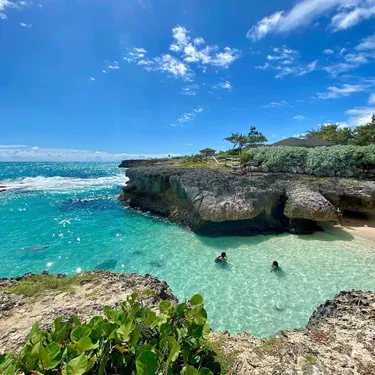

A Barbados vacation should not be reserved for the person who can sprint up every hill, navigate unfamiliar roads, or spend half the morning figuring out transportation. The best accessible tourism experiences make room for different energy levels, mobility needs, confidence levels, and travel styles – while still delivering the real island: salt spray on the East Coast, cane fields rolling inland, old trade routes, and stories that do not fit on a postcard.
For many visitors, accessibility starts with a simple question: can I comfortably take part? The answer depends on the activity, the terrain, and the support behind it. Barbados has rugged ridges, uneven historic streets, coastal paths, and country lanes, so no honest guide should promise that every experience suits every traveler. But with clear planning, smaller groups, the right equipment, and guides who know the ground beneath their feet, far more of the island can be within reach.
What Accessible Tourism Really Means in Barbados
Accessible tourism is sometimes reduced to ramps and elevators. Those matter greatly, especially for travelers with mobility disabilities. Yet a genuinely welcoming trip also considers transportation, pace, rest stops, clear information, sensory comfort, fitness differences, and the confidence to try something new without feeling rushed or left behind.
For an active visitor, accessibility may mean an electric bike that takes the sting out of Barbados’s rolling hills. For a cruise guest, it may mean reliable pickup at the terminal and a well-managed return time. For a family, it can mean knowing whether a route has shade, bathroom access, or a pace that lets everyone enjoy the day. For someone recovering from an injury or managing a health condition, it means having an upfront conversation before booking rather than arriving to a surprise.
That practical approach matters because Barbados is not a flat resort complex. The island rewards curiosity, but its most memorable places often come with natural conditions to consider. Bathsheba’s dramatic Atlantic views, Hackleton’s Cliff, countryside trails near Malvern Plantation, and historic Bridgetown all offer very different surfaces, gradients, weather exposure, and walking demands.
The eBike Difference for Mixed-Ability Groups
A pedal-assist eBike can be one of the most useful tools in accessible adventure travel. It does not turn a ride into a passive sightseeing trip – riders still pedal, steer, and engage with the route – but it offers a welcome boost when the road rises, the sun is warm, or one member of the group has less cycling experience than the rest.
That changes the mood of a day out. Instead of the strongest rider waiting at the top of each hill while everyone else catches their breath, a mixed group can move together. Couples with different fitness levels can share the same experience. Active retirees can cover ground comfortably. First-time eBike riders can focus on the scenery and the guide’s stories rather than worrying whether their legs will cooperate on the next incline.
There is a trade-off, of course. An eBike ride still requires balance, the ability to operate a bicycle safely, and comfort riding on the specific surfaces included in the route. It may not be appropriate for every mobility need. The sensible move is to ask direct questions about rider requirements, terrain, traffic exposure, bike fit, and the availability of alternate options before confirming a tour.
A good operator will welcome those questions. No one wins when a guest feels pressured into an activity that is not right for them. The goal is not to prove how adventurous you are. It is to have a grand time and return with stories worth telling.
Comfort begins before the trail
Transportation is an often-overlooked part of access. Renting a car, adjusting to driving on the left, finding a rural meeting point, and keeping track of a return route can use up a surprising amount of vacation energy. Island-wide hotel, villa, resort, and cruise-terminal pickup removes that layer of friction.
It also makes out-of-the-way places more realistic for visitors who would rather not navigate alone. You can be collected where you are staying, brought to the starting point, fitted with the appropriate gear, and returned afterward. That is not merely convenient. For travelers who are uncomfortable driving abroad, traveling without a car, or managing a tight shore-day schedule, it can determine whether the experience is possible at all.
Plan for the Route, Not Just the Destination
The phrase “all abilities” can be helpful, but it is too vague to guide a real decision. A thoughtful plan looks at the route itself. Ask whether the experience involves steps, steep grades, gravel, narrow sidewalks, long periods standing, cycling in traffic, or limited shade. Find out how often the group stops and whether there are bathrooms along the way.
Historic Bridgetown, for example, is rich with cultural landmarks and stories of commerce, faith, resistance, and daily Bajan life. Its UNESCO-listed core can be deeply rewarding for history-minded visitors, particularly those who prefer a slower, walking-based experience. But old urban areas can also bring uneven pavements, curbs, crowds, and heat. A guide who can adjust pace, point out suitable resting spots, and explain the practical realities beforehand makes all the difference.
Out in the countryside, the considerations shift. A route through cane country or along an East Coast ridge may be quieter and more spacious, but it can be windier, hillier, and less sheltered. PEG Farm and the island’s rural landscapes offer a different rhythm from the resort coast: birds overhead, fields opening toward the sea, and a stronger sense of the island’s agricultural life. The right choice depends on what makes you feel energized rather than depleted.
Questions Worth Asking Before You Book
You do not need to share more personal information than you wish, but being specific about your needs helps a tour provider give an honest recommendation. Mention whether you use a mobility aid, have a limited range of motion, are concerned about heat, have not ridden a bike in years, or need regular breaks. If you are booking for a parent, a child, or a partner with different abilities, describe the whole group’s comfort level rather than only the most confident traveler.
It is also wise to ask about weight limits, minimum age rules, helmet sizing, medical considerations, and whether there is a private or customized option for your party. Some requests can be accommodated easily with advance notice; others may require choosing a different activity. Clarity is kinder than making assumptions on either side.
The weather deserves a mention, too. Barbados sunshine is beautiful, but it is not shy. Lightweight breathable clothing, closed-toe shoes for active routes, sunscreen, water, and a hat can make a major difference. A light rain layer is sensible in wetter months. Guests sensitive to heat may prefer an earlier departure, a route with more shade, or a sightseeing experience with shorter active sections.
Safety should feel calm, not complicated
The safest tours are not the ones that recite rules at you for twenty minutes. They are the ones where thoughtful preparation is built into the day: properly maintained equipment, helmet fitting, a clear riding briefing, manageable group sizes, guides who read the conditions, and an unhurried pace.
Local knowledge adds another layer of reassurance. A Bajan guide knows when a road gets busy, where a view is worth a stop, how fast the weather can change, and which bit of history turns a beautiful landscape into a meaningful one. The laid-back manner is part of the charm, but it should sit alongside close attention to guests and the route. Easygoing does not mean careless. Quite the opposite.
Access Is Also About Belonging
The most memorable accessible travel does more than remove obstacles. It gives visitors a genuine role in the experience. You are not being parked at a lookout while everyone else has the fun. You are learning why a cliff, church, market street, or old plantation landscape matters; hearing local folklore; spotting a bird in the trees; and sharing the little laughs that happen when a group discovers something unexpected together.
That spirit is especially valuable in Barbados, where history lives well beyond formal museums. It is present in Bridgetown’s streets, in parish churches and village names, in the routes once used to move goods across the island, and in the landscapes shaped by sugar, labor, migration, and resilience. A route adapted for comfort should never be stripped of those stories.
eBike Barbados approaches this kind of travel with small groups, premium pedal-assist bikes, local guides, and pickup logistics designed to let more guests experience the island beyond the usual beach circuit. The best fit will always depend on the individual, but asking the right questions early can turn uncertainty into a day that feels both adventurous and comfortably your own.
When planning your Barbados itinerary, choose experiences that respect your needs without shrinking your horizons. The island has plenty of room for a gentler pace, a helping hand on the hill, and a proper Bajan story at the next stop.