The Pirates and Privateers of Barbados Explained

A calm Caribbean sea can make the 17th century feel very far away. Yet from a ridge above the Atlantic, or along the old harbor streets of Bridgetown, it is easy to imagine a sail appearing on the horizon and everyone ashore asking the same urgent question: friend, trader, privateer, or pirate? The pirates and privateers of Barbados belonged to a much bigger story of empire, sugar, warfare, and sea power – and the island was never merely a backdrop.
Barbados was wealthy, strategically placed, and deeply connected to the shipping lanes of the eastern Caribbean. That made it valuable to English colonial authorities and tempting to anyone who could take a prize at sea. The real history is more complicated than buried chests and parrots, but it is every bit as gripping.
The Pirates and Privateers of Barbados: What Was the Difference?
A pirate robbed ships without legal authority. A privateer did much the same kind of work, but carried a government-issued letter of marque that authorized attacks on enemy merchant vessels during wartime. The paperwork mattered enormously, at least in theory. A privateer could bring a captured ship into port, have its cargo judged by an admiralty court, and share the proceeds according to the rules of the commission.
In practice, the boundary could get rather slippery. A captain who attacked the wrong flag, continued raiding after peace was declared, or exceeded the terms of his commission could be treated as a pirate. To the crew of a captured merchant ship, that distinction may have felt like legal fine print delivered with a cannonball.
For Barbados, privateering was part of the harsh commercial reality of the colonial Caribbean. European powers fought repeatedly for territory, trade routes, and influence. Merchant vessels carried sugar, molasses, rum, supplies, manufactured goods, and, tragically, enslaved African people through a system that made fortunes for plantation owners and trading interests. Armed conflict at sea was tied directly to that economy.
Why Barbados Drew Attention
English settlers established Barbados in 1627, and the island quickly developed into one of England’s most profitable colonies. Its sugar industry created extraordinary wealth for a relatively small island. Ships visiting Barbados needed food, water, repairs, cargo space, and a protected place to anchor. Those needs turned the island into a significant maritime stop, especially as Bridgetown and its harbor grew.
Carlisle Bay, near Bridgetown, offered ships useful shelter, while the town itself became a busy commercial center. Warehouses, merchants, wharves, taverns, and officials all supported a world where goods and news moved by sail. Prize vessels and privateering ventures could bring sudden excitement, but also trouble: disputes over ownership, anxious insurers, wounded sailors, and rumors of hostile ships offshore.
Barbados was also a place worth defending. Fortifications and militia systems reflected the island’s vulnerability to attack from rival European powers. A visitor standing near the historic core of Bridgetown today can still read the city as a port shaped by commerce and defense, not just as a pleasant place to pause between beach days.
Stede Bonnet, Barbados’s Most Famous Pirate
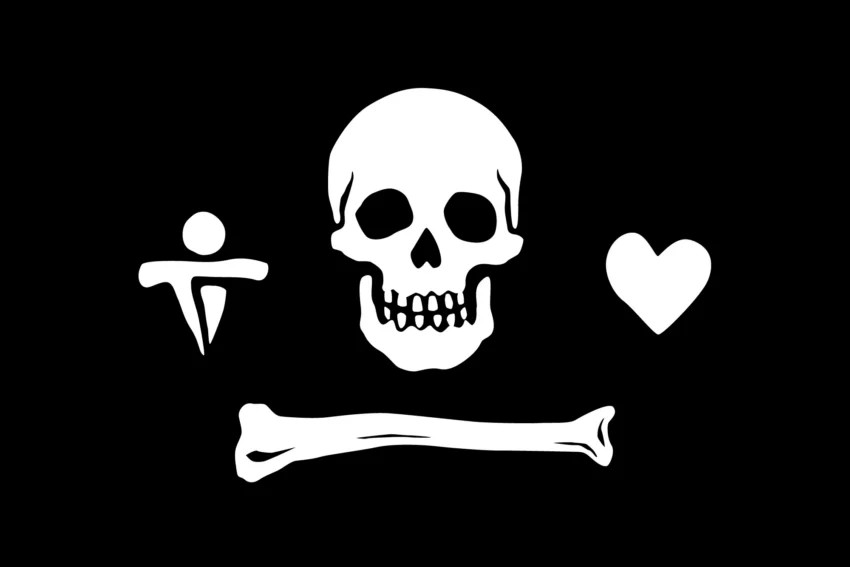
The best-known pirate associated with Barbados is Major Stede Bonnet, often called the “Gentleman Pirate.” Born into a wealthy Barbadian family in the late 17th century, Bonnet was a landowner and militia major with a wife, children, and estate. That made his decision to turn pirate in 1717 especially unusual.
Rather than working his way up through a seafaring life, Bonnet reportedly bought and equipped his own vessel, the Revenge, and recruited a crew. His motives remain uncertain. Later accounts suggested domestic unhappiness or a restless temperament, but historians cannot diagnose a man from three centuries ago. What is clear is that he left the conventional path of a Barbadian gentleman for a dangerous and short-lived career at sea.
Bonnet encountered the notorious Edward Teach, better known as Blackbeard, and their paths became entangled. Their partnership was not a happy meeting of equals. Blackbeard appears to have dominated Bonnet’s operation, and Bonnet eventually tried to regain control of his own ship and crew. He was captured in 1718, tried in Charleston, South Carolina, and executed.
Bonnet’s story is often told as a colorful adventure, but it also exposes the instability beneath colonial respectability. Barbados’s wealth rested on a rigid social order and brutal forced labor. Bonnet had benefited from that world before abandoning it. His pirate career did not place him outside the violence of his era – it was another expression of it.
The Coastline Tells a Different Kind of Pirate Story
Not every dramatic cliff or secluded cove on Barbados has a documented pirate tale attached to it. That is worth saying plainly. Caribbean folklore loves a hidden landing place, and a good story can grow faster than a sea grape tree. Still, the island’s landscapes help visitors understand the practical realities of maritime life.
On the rugged Atlantic side, places such as Bathsheba, Cattlewash, and Cove Bay reveal why sailors respected Barbados’s eastern coast. Powerful surf, reefs, trade winds, and steep terrain offer a very different view from the sheltered waters near Bridgetown. This was not a coastline a captain approached casually, particularly in an age of wooden hulls and limited charts.
Inland, cane country points toward the cargoes that made the island so important. The old plantation landscape, surviving great houses, parish churches, and road networks are connected to the same economy that filled ships in the harbor. A history-minded ride or hike through the countryside can make that connection tangible: the sea trade did not begin at the shoreline. It began in fields and communities across the island.
That is one reason local interpretation matters. A guide can point out the sweeping coastal view, then explain what it meant when sails were the island’s newsfeed, transport system, military presence, and economic lifeline all at once.
Bridgetown: Where Maritime History Came Ashore
Bridgetown is the strongest place to trace this history on foot. Its UNESCO-listed historic district developed around trade, administration, religion, and the movement of people through the port. The Careenage, formerly part of the harbor system, evokes the practical business of maintaining vessels. Ships were careened – tilted so their hulls could be cleaned and repaired – a necessary chore in tropical waters where marine growth could slow a voyage.
The streets around the city also carry the wider story of colonial commerce. Markets supplied residents and visiting crews. Merchants arranged cargo and credit. Churches, public buildings, and commercial spaces reflected a society built around the port. None of it was separate from the sugar economy or the transatlantic slave trade that sustained it.
For cruise guests, this is one of the rewarding surprises of Barbados: serious history sits close to the terminal, but it should not be rushed. A small-group Bridgetown walk gives the buildings, lanes, and waterfront enough room to speak. The best guides keep the mood relaxed while being honest about the difficult chapters. History is more memorable when it is not polished into a souvenir.
A Few Myths Worth Leaving on the Beach
The Caribbean certainly had pirates, but Barbados was not a nonstop pirate republic. Its role was more often that of a prosperous English colony, trading port, defended island, and occasional privateering base within wider imperial conflicts. Pirate activity was a threat and a fascination, not the sole organizing force of island life.
There is also no reason to assume every old ruin hides treasure. The true treasure, if we must use the word, is the island’s ability to show how global history played out in a very specific place: in a harbor, on a cane estate, along a cliff road, and in the lives of people whose labor built colonial wealth.
When you look across Carlisle Bay or stand above the Atlantic on Barbados’s east coast, picture more than a pirate flag. Picture merchant ships, naval vessels, privateering crews, fishermen, enslaved laborers, traders, and families watching the horizon. That fuller view is where the real adventure begins.