Ballast Bricks in Barbados and Their Transatlantic Story
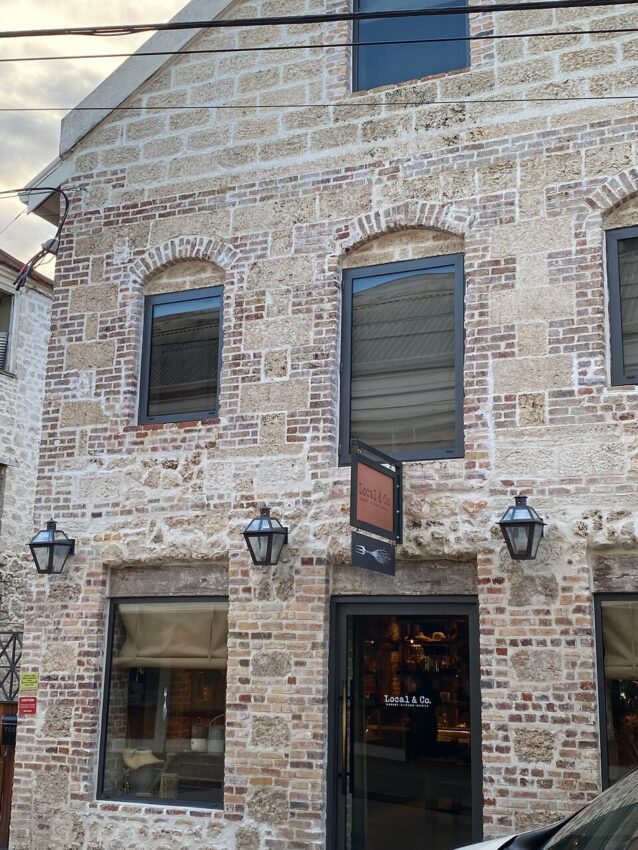

A weathered brick on a Barbadian shoreline can look like ordinary debris until you consider the journey behind it. Searches for balast bricks barbados often lead to a fascinating piece of island history: the material traces left by ships that arrived from overseas, discharged weight from their holds, and loaded up with Caribbean cargo for the return trip.
The more common historical term is ballast brick or ballast stone. The spelling may vary, but the story points to the same Atlantic world that shaped Barbados for centuries – trade, labor, migration, sugar, commerce, and the busy ports that connected a small island to distant places.
What Are Ballast Bricks in Barbados?
Before modern cargo handling and purpose-built ballast systems, sailing ships needed heavy material low in their hulls to remain stable when they were not carrying a full load. Captains used what was available and dense: stones, bricks, rubble, and other heavy building materials.
When a vessel reached Barbados to take on valuable cargo, that weight could be removed. Some ballast was reused in construction, road surfaces, yards, drains, boundary walls, and waterfront works. Other pieces were discarded or lost near harbors and landing places. Over time, tides, erosion, storms, development, and simple human movement have shifted these materials again.
That is why an old brick found near the coast can spark a bigger question than, “How did this get here?” It may be connected to a trading route that reached Britain, North America, Europe, or another Caribbean island. It may also be from a much later local building project. Context matters.
A Small Object With a Big Atlantic Story
Barbados was not a remote outpost during the plantation era. It was a major commercial center, particularly from the 1600s onward, and its ports were central to the movement of goods and people across the Atlantic. Sugar and rum traveled outward. Manufactured goods, supplies, building materials, and people arrived.
Bridgetown grew around that exchange. Its historic waterfront and surrounding streets were shaped by the needs of merchants, sailors, craftspeople, enslaved Africans, free communities, and the many workers whose labor sustained the island economy. A brick is not a complete history lesson by itself, but it can be a physical reminder that Barbados has long been connected to the wider world.
There is a difficult side to this story too. The wealth moving through Barbados was deeply bound to the brutal system of slavery. When we talk about ships, sugar, warehouses, and trade routes, we should not make the past sound like a charming maritime postcard. These objects sit within a history of extraordinary endurance, resistance, cultural survival, and the lasting influence of African Barbadians on every part of island life.
Why Bricks Were Useful Ballast
Brick was compact, heavy, and readily available in many port cities. It could help stabilize a vessel during an outward crossing, then be offloaded once the ship took on cargo. Unlike a loose pile of sand, brick was also useful after unloading. Reused brick could become part of a practical building job rather than waste.
Still, it is wise not to assume every old-looking brick is ship ballast. Barbados has a long architectural history, and bricks may come from former homes, industrial buildings, military works, drainage systems, kilns, and repairs made across different periods. Color, size, markings, mortar, location, and the surrounding landscape can all offer clues, but professional archaeological context is what turns a possibility into a stronger conclusion.
Where the Story Makes Sense
The strongest setting for ballast-related stories is usually close to historic maritime activity: old harbor zones, coastal settlements, former landing points, and areas where erosion exposes older layers of ground. Bridgetown is an obvious place to think about the island’s trading past, especially around the Careenage and the streets of the UNESCO-listed Historic Bridgetown and its Garrison area.
But Barbados history does not stay politely inside a museum case or a capital-city boundary. Coastal paths, old parish roads, cane country, ridge-top viewpoints, and village districts all connect to the island’s economy and movement. Goods moved from estates to the coast. News, people, ideas, and cultural traditions traveled along the same routes in the opposite direction.
Out on the Atlantic-facing east coast, the landscape adds another layer. The sea is not gentle there, and the cliffs and beaches are always changing. A guide might point out how wind, salt, rain, and waves constantly reshape the ground beneath our feet. That does not mean every exposed object is ancient, but it does explain why the coast can reveal fragments of different eras without warning.
Look, Photograph, Leave in Place
Finding something old can be exciting, particularly on a beach walk or while exploring less-traveled corners of the island. The best response is usually simple: take a photograph, note the location, and leave it where it is.
Removing historic material can strip it of the very information that gives it meaning. A single brick on a shelf at home tells only part of a tale. A brick recorded beside others, near a known waterfront structure or in an eroding bank, may help specialists understand a site’s age and purpose. The same principle applies to pottery, bottles, tools, coral stone, and anything that appears to be part of an older structure.
It also pays to avoid climbing unstable coastal edges or scrambling into abandoned ruins for a closer look. Barbados rewards curiosity, but cliffs, rough surf, loose stone, and sudden rain deserve respect. A good island adventure has room for wonder without turning anyone into an accidental archaeologist.
See the Connections, Not Just the Object
The most memorable way to understand ballast bricks is to place them in the larger landscape. Start with the harbor and imagine vessels entering with their own needs, risks, and cargo plans. Then follow the story inland: estate roads, former plantation districts, churches, markets, workshops, and communities that carried the island’s social and economic life far beyond the shoreline.
On a history-minded outing, the real pleasure is often in the connections. A street name may hint at an old trade. A warehouse wall may reveal how goods were stored. A coral-stone building may prompt a conversation about local materials, imported supplies, labor, and changing building styles. A stretch of water may hold centuries of arrivals and departures.
That is the Barbados few visitors see when they rush from airport to resort and back again. The island’s history is not hidden because it is unimportant. It is hidden because it needs time, local knowledge, and a willingness to look beyond the postcard view.
At eBike Barbados, our guides bring that easygoing Bajan storytelling to the trail, the town, and the viewpoints in between. Whether you are walking historic Bridgetown or riding through the countryside on a pedal-assist eBike, the pace leaves room to stop, ask questions, and let a small detail lead to a much bigger story. Helmets, equipment, and island-wide pickup take care of the practical side, so you can stay present for the good bits.
The Best Question to Ask When You Spot One
Instead of asking only whether a brick is ballast, ask what the place around it can tell you. Was this once near a landing site? Does the brick resemble material used in a nearby historic building? Is the ground being exposed by erosion? Are there signs that it was reused in a wall, drain, or foundation?
Those questions turn a quick photo into a more thoughtful encounter with Barbados. They also remind us that history is rarely one neat answer. Sometimes an old brick is exactly what local tradition says it is. Sometimes it is something else entirely. Either way, it is an invitation to slow down, listen closely, and see the island as a living archive shaped by sea, people, and time.
The next time you notice an aged brick beneath your feet, let it stay there and let your imagination travel. Barbados has always had stories arriving by sea – and the best ones are still waiting just beyond the usual route.