A Local Guide to The Best of Barbados
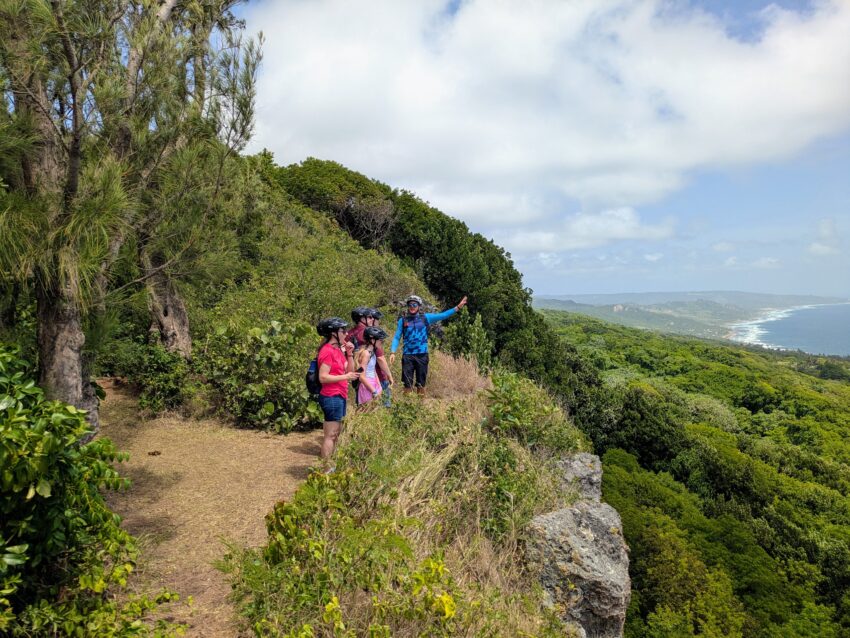

The Barbados most visitors remember is often a strip of bright sand, a rum punch, and a sunset from the west coast. Lovely, certainly. But a proper local guide Barbados experience begins when you leave the resort corridor and hear the island change: wind moving through cane grass, Atlantic surf working the rocks at Bathsheba, church bells in an old parish, and a guide sharing the story behind a place that can look quiet at first glance.
Barbados is compact, but it is not one-note. Within a short drive, the landscape shifts from polished west-coast beaches to rolling central highlands, historic Bridgetown streets, and a rugged east coast shaped by trade winds. The best way to experience it is not to race through a checklist. It is to choose a few places that reveal how nature, people, food, and history fit together.
A Local Guide to Barbados Starts Beyond the Resort
The island’s more memorable landscapes are often found away from the biggest hotel zones. On the east coast, Bathsheba delivers a different Barbados altogether. The Atlantic is energetic, the rock formations are dramatic, and the breezes feel like a welcome reset after a warm morning on the beach. This is a place for looking, walking, taking photographs, and respecting the sea rather than treating it like a calm swimming pool.
Nearby ridges and countryside routes reveal another side of island life. From high ground around Hackleton’s Cliff or Edge Cliff, views stretch across gullies, fields, villages, and the coastline. These are not just pretty overlooks. They help explain Barbados’s geography: a raised coral limestone island with a gentler Caribbean-facing side and a wilder Atlantic edge.
Cane country carries its own history. Sugar shaped land ownership, labor, settlement patterns, and the fortunes of the colonial island for centuries. A ride or walk through these inland lanes can feel peaceful, but the landscape has a long memory. A knowledgeable Bajan guide gives those views context, connecting old estates, village communities, and the wider history of enslavement, emancipation, migration, and modern Barbadian identity.
That context matters. A visitor can take a photo of a grand plantation house and move on. Or they can understand that the same landscape holds stories of hardship, resistance, ingenuity, and cultural survival. The second experience stays with you longer.
Let Bridgetown Tell Its Story Slowly
Bridgetown is not a city best understood from a vehicle window. Its history lives at street level, in public squares, religious buildings, markets, and old commercial corridors where people still come to do business and catch up on the latest news.
The UNESCO-listed Historic Bridgetown and its Garrison area reflects Barbados’s importance in the British Atlantic world, but the city is much more than its colonial-era architecture. National Heroes Square, Cheapside, Swan Street, St. Mary’s Church, the Jewish Synagogue, and the streets surrounding them reveal layers of faith, trade, migration, craftsmanship, and daily Bajan life.
A good historic walk should make room for complexity. Barbados became independent in 1966 and a republic in 2021, yet its built environment still carries visible traces of earlier eras. The point is not to admire old stonework without asking questions. It is to understand whose labor built the island, how commerce moved through the port, and how Barbadians made these spaces their own.
Come with comfortable shoes, water, and curiosity. Bridgetown can be warm, lively, and a little unpredictable in the best way. Markets are working places, not stage sets. If you stop for something local to eat, ask what is fresh, then take the recommendation. A cutter, fish cakes, or a plate with peas and rice can tell you plenty about the island’s flavors without turning lunch into a formal production.
Choose the Right Pace for Your Barbados Adventure
There is no prize for seeing every parish in one day. The right experience depends on what you enjoy, how much time you have, and who is traveling with you.
An electric-bike tour is an excellent fit for couples, families with confident older teens, active adults, and groups with mixed fitness levels. Barbados has hills – yes, we said it – but pedal-assist support makes climbs manageable and helps everyone travel at a shared pace. You still get fresh air, movement, and that satisfying feeling of reaching a viewpoint, without turning vacation into a fitness test.
Hiking is better for travelers who want to slow down and notice the details: the sound of birds in a gully, medicinal plants, changing rock formations, or the way a coastal trail opens suddenly onto a huge Atlantic view. Conditions matter, though. Some paths can be uneven, muddy after rain, or exposed to sun and wind. Good footwear and a guide who understands the terrain are worth far more than trying to look adventurous in sandals.
Birding offers a quieter kind of island discovery. Barbados sits along migration routes, and its varied habitats can reward patient observers with shorebirds, wetland species, and familiar Caribbean favorites. You do not need to arrive with a life list as long as your arm. A pair of binoculars, a calm morning, and someone who knows where to look can turn a casual outing into one of the most peaceful hours of a trip.
Hidden Places Need Respect, Not Just Attention
Places such as PEG Farm, Malvern Plantation, and countryside lanes around the island are appealing precisely because they feel less commercial. They invite visitors to see working landscapes, local enterprise, and scenery that has not been dressed up for a brochure.
That does not mean every quiet road or field is open for wandering. Barbados is friendly, but private property is still private property. Stay with permitted routes, avoid blocking narrow roads, keep voices low near homes, and never leave litter behind. If you are cycling, give pedestrians, animals, and vehicles room. On rural roads, drivers may come around bends more quickly than you expect.
Sustainable travel is often presented as a grand statement. On an island, it is usually a collection of ordinary choices: refill your water bottle, support locally owned businesses, use reef-safe sun protection, reduce single-use plastic, and choose small-group outings that do not overwhelm a place. The goal is simple – leave with better stories, not a bigger footprint.
Make the Logistics Part of the Vacation, Not the Homework
The biggest difference between a pleasant outing and a frustrating one is usually not the view. It is the planning around it. If you are staying at a villa, resort, or hotel, think about how you will reach rural trailheads or east-coast viewpoints before committing to an itinerary. A rental car gives independence, but Barbados’s narrow roads, left-side driving, unfamiliar turns, and limited parking can make a supposedly relaxing day feel rather sporty.
Guided excursions remove much of that friction. eBike Barbados provides island-wide pickup and drop-off, so guests can be collected from their accommodations or the Bridgetown cruise terminal, brought to the route, and returned afterward. For cruise visitors especially, that dependable timing matters. A good shore day should leave room for a real island experience and get you back to the ship with time to spare.
Ask practical questions before booking any outdoor activity. Find out what equipment is included, whether helmets are provided, how large the group will be, what happens if the weather changes, and whether the route suits your comfort level. Honest answers are a good sign. The best guides want guests to feel challenged only in the fun sense, not stranded or overwhelmed.
For an e-bike ride, wear breathable clothes, closed-toe shoes, sunscreen, and sunglasses. Bring a small water bottle and keep a light rain layer nearby during wetter months. For hikes, add grippier shoes and insect repellent. Barbados sunshine is generous, but it does not play around, so a hat is never a bad idea.
Leave Space for the Barbados You Did Not Plan
The most local moments rarely arrive on schedule. They may be a roadside fruit stand, a conversation with someone on a village bench, a sudden view over the east coast, or a guide pausing to point out a bird you would have walked straight past. Build your itinerary with enough room to notice those things.
Take the beach day, by all means. Then give Barbados a half-day to surprise you – preferably with a little dust on your shoes, a story in your head, and a new appreciation for the island beyond the shoreline.