From Cane to Colony: The Rise Of Barbadian Sugar

From Cane to Colony: The Rise Of Barbadian Sugar
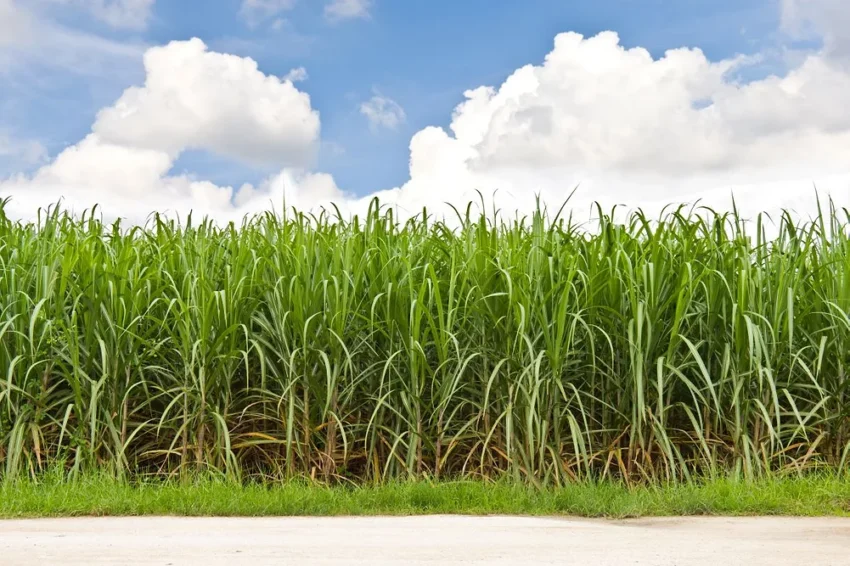
A cane field on a Barbados ridge can look almost peaceful in the late-afternoon light: green blades moving in the trade winds, gullies dropping away toward the sea, an old chimney appearing behind a stand of mahogany. But these views hold a difficult, defining story. The history of the sugar industry in Barbados is not simply a tale of rum, plantation houses, and export wealth. It is the story of how a small island was remade by a crop – and how enslaved Africans and their descendants carried the labor, knowledge, resistance, and culture that made the industry possible.
For travelers who want to understand the island a little more deeply, the story of sugar offers one of the clearest ways to read into the real Barbados. The roads, villages, churches, estates, and open fields of the island’s interior still reflect centuries of change driven in large part by this unique crop.
Before Sugar Took Hold
Barbados was first settled by the English in 1627. In its early colonial years, planters tried crops including tobacco, cotton, ginger, and indigo. None produced the enormous profits that sugar would soon promise. The island’s climate, dependable rainfall in many districts, and rolling coral limestone terrain proved favorable for cane, while its location made shipping to European markets practical.
Sugar cane arrived in the 1640s, likely through connections with Dutch traders and planters experienced in sugar production elsewhere in the Caribbean and Brazil. The change was swift. By the middle of the 17th century, Barbados had become one of England’s most valuable colonies, and cane estates increasingly replaced the smaller farms that had characterized the first years of settlement.
This was not a gentle agricultural transition. Sugar required capital, land, mills, boiling houses, storage buildings, ships, and a huge labor force. It concentrated ownership in the hands of wealthy planters and transformed much of the island into an export-driven plantation economy.
Sugar Wealth Was Built on Enslavement
The prosperity associated with Barbadian sugar depended on the brutal enslavement of African people. Thousands were forcibly transported across the Atlantic and made to work in cane fields, mills, boiling houses, homes, and workshops. Barbados became a major early center of English plantation slavery, and the systems developed here influenced plantation economies across the British Caribbean.
Cane cultivation was punishing work. Enslaved workers cleared land, planted and cut cane under intense sun, hauled heavy bundles, and labored around machinery and boiling vats that could maim or kill. The crop had to move quickly once cut, so harvest season brought relentless pressure. Sugar was refined through dangerous stages, producing raw sugar, molasses, and eventually rum.
The wealth that flowed from this system left a physical mark on the island. Great houses, estate walls, parish churches, warehouses, and sections of Bridgetown’s historic commercial core are tied, directly or indirectly, to the sugar trade. Yet the grandest buildings tell only part of the story. The more essential history lies in the lives of the people whose forced labor created that wealth, including those who maintained family ties, spiritual practices, food traditions, music, and community under conditions designed to deny their humanity.
Resistance Was Part of Everyday Life
Enslaved Barbadians resisted in ways both open and quiet. Some preserved African cultural knowledge, slowed work, escaped, organized, or challenged plantation authority. The 1816 uprising, often called Bussa’s Rebellion after the enslaved freedom fighter Bussa, was one of the most significant revolts in Barbadian history. Though it was violently suppressed, it remains a powerful marker of courage and the determined pursuit of freedom.
That history matters when visitors encounter Bussa’s name, statues, or local storytelling. Freedom was not handed down as a favor. It was demanded, resisted for, and pursued by people who had every reason to believe the system was unjust.
Emancipation Changed the Industry, Not Its Grip Overnight
Britain abolished slavery in its colonies in 1834, but full freedom did not arrive immediately. Formerly enslaved people in Barbados were forced into an apprenticeship system until 1838, meaning many still had to work for former owners under restrictive conditions. Emancipation changed legal status, but land and political power remained heavily concentrated.
For generations afterward, sugar continued to shape where people lived and worked. Many Barbadians had limited access to land and depended on plantation wages or seasonal cane work. Estate villages grew around the industry, and families built their lives around the rhythm of planting, harvesting, milling, and the uncertainty of world sugar prices.
This is where the history becomes especially layered. The sugar estate was a place of exploitation, but it was also where communities endured, raised children, developed distinct Bajan traditions, and made a life in conditions they did not choose. A good local guide does not romanticize the landscape or reduce it to tragedy alone. Both the beauty and the hardship are part of the truth.
The Rise, Decline, and Reinvention of Sugar Country
Sugar remained central to Barbados well into the 20th century, though the industry faced recurring trouble. Competition from other producers, shifting trade arrangements, hurricanes, crop disease, and unstable prices made reliance on one export increasingly risky. Workers often carried the heaviest burden when estates cut wages or reduced employment.
The labor unrest of the 1930s, including the 1937 disturbances in Barbados, exposed deep frustration over low wages, poor living conditions, and limited political representation. These events helped accelerate trade union activity and political reform. Sugar was not the only cause, but the plantation economy was at the center of the social inequality people were challenging.
After Barbados gained independence in 1966, tourism, international business, services, manufacturing, and education became more important to the national economy. Sugar’s dominance faded. Many mills closed, fields were converted to housing or other uses, and the number of active estates declined sharply. The island’s agricultural landscape continues to change as farmers, communities, and policymakers weigh food production, land conservation, development, and economic realities.
Today, cane is still present, especially across parts of St. George, St. John, St. Joseph, St. Thomas, and St. Andrew. But it no longer commands the island as it once did. Some fields are active; others are reminders of an earlier era. A crop that once dictated the entire economy now sits within a more diverse Barbados.
Reading the History of the Sugar Industry in Barbados on the Road
The best way to understand sugar country is to look beyond a single plantation stop. On the east and northeast of the island, rugged ridges and deep gullies reveal why transport, water, and access mattered so much to estate life. Around Hackleton’s Cliff, the Scotland District, Bathsheba, and the countryside near old plantation lands, the terrain is as much a part of the story as the cane itself.
In the central and southern parishes, old estate roads and villages often follow patterns established when cane moved from field to mill and then toward Bridgetown for export. In the capital, the historic port and commercial streets show the other end of the chain: sugar leaving Barbados, goods arriving, and wealth circulating unevenly through colonial society.
A countryside eBike ride makes these connections easier to feel. The pedal assist is helpful on Barbados’s rolling hills, but the real advantage is pace. You can pause beside an old stone wall, hear how a district got its name, notice a former mill site, and take in the scale of a field without watching it disappear through a bus window. It is accessible for mixed-ability groups, provided everyone is comfortable riding and follows the guide’s safety instructions.
At eBike Barbados, our local guides bring these landscapes to life without treating them like a museum display. The stories include architecture, folklore, village life, food, birds, and the hard history written into the land. Small groups and organized pickup from your hotel, villa, or cruise terminal also mean you can spend more time seeing the island and less time puzzling over rural directions.
What Visitors Should Carry Forward
Sugar history can be uncomfortable, and it should be approached with respect. The trade-offs are real: heritage tourism can preserve stories and support local guides, museums, farmers, and communities, but it can also flatten painful history into a pretty plantation photo if visitors are not curious enough to ask better questions.
When you pass a cane field, ask who worked it, who owned it, where the sugar traveled, and how local people reshaped life after emancipation. Then listen. Barbados is far more than the legacy of sugar, but understanding that legacy makes every ridge road, old mill chimney, and Bridgetown warehouse speak a little more clearly.