Barbados Real Estate Explained for Visitors

A morning spent looking over the Atlantic at Bathsheba can make almost anyone start imagining a place of their own in Barbados. But Barbados real estate explained properly is about far more than a beautiful view, a pool, and a listing price. It is about choosing the right part of a small but remarkably varied island, understanding how you plan to use the property, and getting reliable professional guidance before you commit.
For some visitors, real estate is part of a future relocation plan. For others, it is simply useful context when choosing between a west-coast resort, an east-coast villa, or a countryside stay. Either way, a little local perspective goes a long way.
Barbados Real Estate Explained: Start With the Island
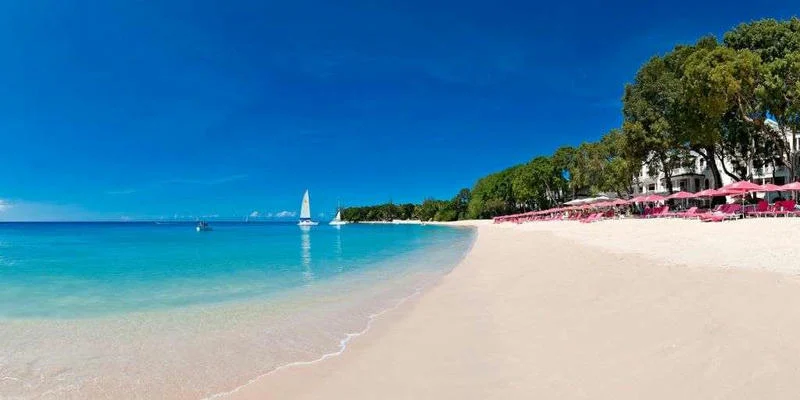
Barbados may be only 21 miles long, but its neighborhoods can feel like different worlds. The calm Caribbean-facing west coast is known for sheltered water, established resorts, restaurants, and high-end villas. It is a natural fit for travelers who want beach access, walkable conveniences in selected areas, and a polished holiday rhythm.
The south coast often offers a livelier blend of beaches, dining, nightlife, and residential communities. It can appeal to buyers and renters who want a more active atmosphere and practical proximity to amenities. Bridgetown and its surrounding districts bring a different energy again: historic streets, commerce, local life, and easy access to the cruise port and the island’s major services.
Then there is the east and interior, where Barbados shows its wilder, greener side. Bathsheba’s dramatic surf, the ridge views near Hackleton’s Cliff, cane fields, and quiet country lanes offer space and character that do not come in a standard resort brochure. These areas can be wonderfully peaceful, but the trade-off is simple: you may rely more on a car, have fewer nearby restaurants or shops, and encounter a breezier, wetter microclimate.
There is no single “best” coast. The right location depends on whether you value swimming water, village life, views, privacy, rental demand, commute time, or easy access to the real island beyond the hotel zone.
What Types of Property Are Available?
The market includes everything from beachfront estates and contemporary condos to plantation homes, townhouses, land parcels, and older traditional chattel houses. Condominiums can be attractive for buyers who want a lock-and-leave base, shared maintenance, and resort-style features. A standalone villa may provide more privacy and outdoor living space, though it also comes with more hands-on maintenance responsibility.
Historic homes and countryside properties have particular charm, often with mature gardens, coral-stone details, or wide verandas designed for island breezes. They may also need more careful inspection. Salt air, tropical rain, drainage, roof condition, hurricane preparedness, pest management, and water systems are not glamorous subjects, but they matter just as much as a sea view.
Land can be appealing if you have a clear vision and patience. Building allows you to shape the home around your lifestyle, but timelines, planning permissions, utility connections, construction supervision, and material costs need to be considered from the start. A bargain plot far from services is not always a bargain once the full build is priced out.
Freehold, Leasehold, and Shared Ownership Details
Many Barbadian properties are sold freehold, meaning ownership of the property and land transfers to the buyer. Some homes, condos, or resort residences may have leasehold arrangements or other structures. With a condo or gated community, buyers should also understand homeowners’ association fees, rules, reserve funds, insurance, and what shared services those payments actually cover.
This is where an experienced Barbados attorney and reputable real estate professional earn their keep. Ask direct questions, request documents, and make sure the legal title and boundaries are properly checked. A lovely afternoon viewing is not due diligence, even if the rum punch was excellent.
Can Non-Nationals Buy Property in Barbados?
Yes, non-nationals can purchase property in Barbados. Buyers from overseas are typically required to register the foreign currency used for the purchase with the Central Bank of Barbados, which helps preserve the ability to repatriate funds if the property is sold later. The precise process, taxes, fees, and documentation can vary by transaction, so buyers should obtain current advice from a qualified local attorney and financial professional.
Do not treat online comments or old forum posts as legal guidance. Rules, fees, and administrative requirements can change. Before making an offer, ask for a clear estimate of purchase costs beyond the asking price, including legal fees, registration expenses, valuation or survey costs where relevant, insurance, and ongoing property expenses.
If you are considering rental income, investigate that separately rather than assuming a popular vacation destination guarantees year-round returns. Location, property condition, management quality, seasonality, marketing, local regulations, and your own use of the home all affect the numbers. A west-coast beachfront villa and a quiet inland retreat serve very different guests.
Look Beyond the Listing Photos
A property visit should include the surroundings, not just the living room. Visit at different times of day if possible. Listen for road noise, check the ease of parking, see where the sun falls in the afternoon, and ask what happens during heavy rain. On the coast, consider wind exposure and salt spray. In hilly areas, think through access, drainage, and whether you are comfortable driving the route regularly.
It is also worth exploring the parish as a guest before making a long-term decision. Have breakfast at a local spot, visit a market, speak with residents respectfully, and take the roads that lead beyond the major highway. The character of an area is often clearer from its churchyards, playing fields, rum shops, crop fields, and neighborhood gatherings than from a sales brochure.
For travelers who want to get their bearings, an active outing can reveal the island’s geography in a much more memorable way than a windshield tour. A guided ride or hike through the countryside shows how quickly the terrain changes from coastal flats to ridges and gullies. At eBike Barbados, our Bajan guides regularly help visitors see why an east-coast view, a central parish village, and a south-coast base each offer a distinctly different island experience.
Barbados Real Estate Explained for Lifestyle, Not Just Investment
Buying in Barbados is often an emotional decision, and that is not a bad thing. The island has a way of making people picture slower mornings, outdoor lunches, and weekends spent following a road simply because it looks interesting. Still, the happiest owners tend to match the property to their real habits rather than an idealized vacation version of themselves.
Ask yourself a few practical questions. Will this be a holiday home used for several weeks a year, a rental property, or a full-time base? Do you need to be near medical services, schools, golf, surfing, or the airport? Are steps and steep driveways a concern? Is air conditioning essential, or does the home have the shade, orientation, and ventilation to stay comfortable naturally?
For a short stay, these questions can also improve where you book. A couple looking for peaceful scenery may love the east, while a family hoping to swim daily in gentler water may prefer the west or south. Visitors with only one port day might prioritize Bridgetown’s heritage and easy logistics over a cross-island property scouting mission.
A Sensible Way to Begin
Start broad, then narrow your search. Spend time in at least two or three different areas, establish a realistic all-in budget, and decide whether lifestyle, rental potential, or long-term residence is your main goal. Work only with established local professionals, use an independent attorney for legal advice, and avoid rushing because a property feels perfect on day one.
Barbados rewards curiosity. Before you decide where you might belong, give yourself time to meet the island beyond the beach chair – its historic Bridgetown streets, wind-shaped east-coast cliffs, cane country, local communities, and the small everyday moments that make a place feel like home.