Eating Local in Barbados Beyond Resort Menus
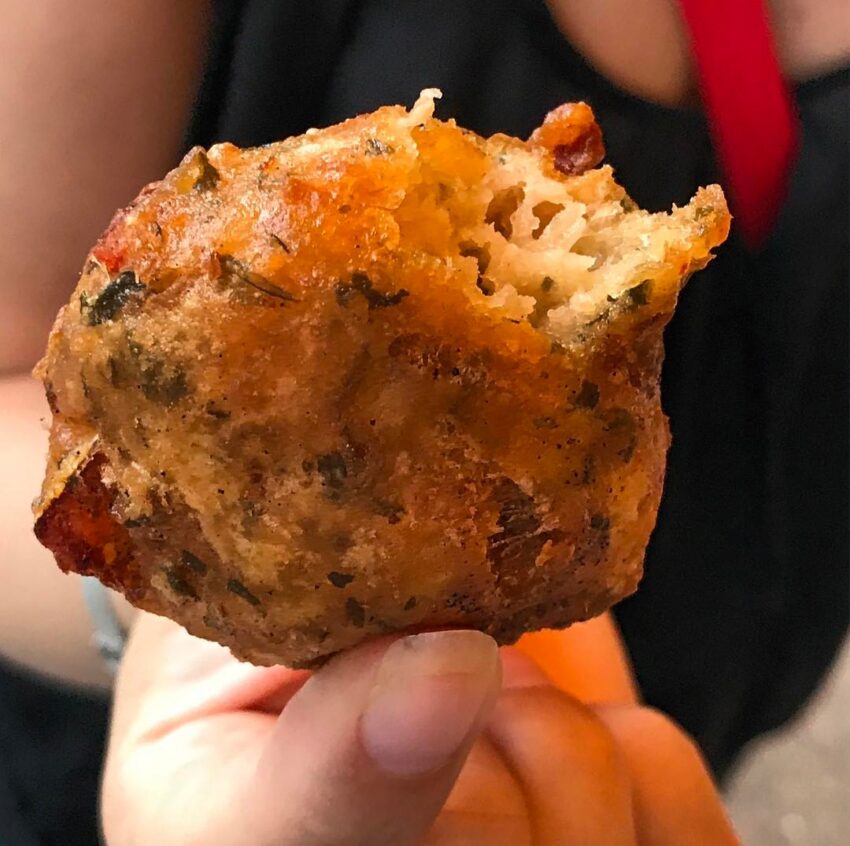

The best Bajan meal may arrive in a paper bag, be served from a counter with three stools, or come with a view of cane fields rather than a white tablecloth. Eating local in Barbados is less about chasing a single “must-try” dish and more about following the daily rhythm of the island: what came in from the sea, what is growing nearby, and where Bajans themselves stop for lunch.
Resort restaurants can be lovely, especially on a night when you want the easy option. But a few meals beyond that familiar menu will tell you far more about Barbados – its fishing villages, plantation-era foodways, migration stories, farming communities, and serious talent for turning simple ingredients into something memorable. Come hungry, ask questions, and leave a little room for the unexpected.
Eating Local in Barbados Starts With the Time of Day
Bajans do not eat one fixed version of “local food” all day long. Breakfast, lunch, a beach snack, and a Friday evening lime all have their own character. Once you understand that, planning your meals becomes much more fun.
Start early with salt bread, a soft, slightly chewy local roll that is excellent with cheese, ham, egg, or a fish cake tucked inside. A fish cake cutter is one of the island’s most satisfying quick bites – better known locally as a “Bread ‘n Two”: a fried, seasoned saltfish fritter placed in bread, often with a bright pepper sauce. It is small enough to call a snack, though two can quickly become lunch if you lack restraint. Throw some New Zealand cheddar cheese (local favourite go-to) on top of that and you will be what the fellas say, “In business!”
At midday, look for a neighborhood cook shop, food stall, or cafeteria-style counter. This is when you may find grilled fish, stewed chicken, peas and rice, macaroni pie, fresh salad, and root vegetables such as sweet potato, yam, cassava, or breadfruit. The menu may be written on a board, announced from behind the counter, or simply explained when you ask, “What do you have today?” That question is always a good place to begin.
Evenings are more dependent on where you are and what is happening nearby. Some visitors seek out a lively fish-focused supper, while others settle into a rum shop for a casual plate and a cold drink. A rum shop is not merely a bar. It can be a neighborhood meeting point, a place for sport on the television, dominoes, conversation, and plenty of opinions. Respect the atmosphere, greet people when you walk in, and you will often find the welcome gets warmer by the minute.
Let the Island’s Ingredients Lead
A local meal is not defined only by a recipe. It is shaped by what is available that week. Barbados is surrounded by productive fishing grounds, while its inland farms supply herbs, greens, fruit, root crops, and vegetables. Choosing what is fresh is usually more rewarding than arriving determined to eat one particular dish.
Flying fish is the national favorite visitors hear about most, and for good reason. It can be lightly fried, steamed, or paired with cou-cou, a smooth cornmeal-and-okra dish with deep Afro-Barbadian roots. When it is prepared well, the flavor is delicate rather than heavy. Do not overlook other catches, though. The fish of the day may offer a better reflection of what is moving through the local waters.
Then there are the dishes that make locals light up when they hear you have tried them. Pudding and souse combines pickled pork with a spiced sweet-potato pudding, and it is particularly associated with Saturday. Pepperpot, a richly seasoned stew, shows the island’s love of slow-cooked flavor. Macaroni pie may look familiar to American and British travelers, but Bajan versions have their own firm, cheesy, well-seasoned personality. You may never look at ordinary mac and cheese with quite the same respect afterward.
For something sweet, keep an eye out for coconut bread, tamarind balls, sugar cakes, guava cheese, and seasonal fruit. Golden apple, passion fruit, mango, breadfruit, and Barbados cherries each show up in different forms depending on the time of year. Fresh juice stands can be a fine choice, but ask what is made that day rather than assuming every bright-colored bottle is freshly blended.
Go Beyond the Tourist Strip, Respectfully
The island’s most memorable food stops are often attached to real communities, not designed as attractions. That is exactly why they are worth seeking out. In Bridgetown, food culture moves through markets, streets, historic commercial districts, and small counters feeding people on a work break. On the east and north sides of the island, the scenery shifts to cliffs, farms, winding roads, and coastal villages, with fewer places that feel built for visitors.
A day spent around Bathsheba, Cattlewash, St. John’s Church, or countryside routes near PEG Farm can make a local lunch feel even more meaningful. You have seen the landscapes that shape the island’s agriculture and communities, not just the plate set in front of you. In these places, a guide’s local knowledge can save you from arriving after the kitchen has closed or missing the one stall everyone knows makes the good fish cakes.
There is a trade-off. Small local businesses may not have polished signage, long opening hours, or a menu that accommodates every dietary preference. Hours can change, popular dishes sell out, and a place that was lively on Tuesday may be quiet on Sunday. That is not poor planning on your part. It is the reality of eating food made in smaller batches for a local clientele.
How to Order Like a Welcome Guest
You do not need Bajan dialect to order lunch, but good manners go a long way. Begin with a greeting. “Good morning,” “good afternoon,” and “good evening” matter here more than rushing straight to your order. Ask what is popular, what is fresh, or how a dish is prepared. Most cooks and vendors are happy to explain when the line is not flying out the door.
If you like heat, be careful with pepper sauce. Barbados takes its hot sauce seriously, and “just a little” is sensible advice for many first-timers. Try a small amount before committing. If you have allergies or follow a vegetarian, vegan, gluten-free, or halal diet, be direct and specific. Ask about stock, sauces, frying oil, and cross-contact rather than relying on a dish name. Local kitchens are often accommodating, but they cannot read your mind.
Cash remains useful for small purchases, though many businesses also accept cards or digital payment. Carry small bills, especially when buying a quick snack or drink. Tipping practices vary by setting, but genuine appreciation, patience during a busy service, and a return visit are all noticed.
Make Food Part of the Journey
The most satisfying way to find local food is to build it into the day instead of treating it as an afterthought. Walk historic Bridgetown before lunch and you will understand why trade, migration, sugar, rum, and the harbor have all left marks on Bajan cooking. Spend a morning outdoors on the rugged east coast, then stop somewhere informal where the catch and the conversation are equally fresh.
That is also why small-group excursions can be useful for food-minded travelers. A local guide is not there to force a stop at every snack stand. The better value is context: knowing which area is known for fish, where rural produce comes from, why a roadside shop matters to a community, and how food connects to the stories behind the landscape. On an eBike Barbados outing, the pedal assist keeps mixed-ability groups moving comfortably through the hills, leaving everyone enough energy to enjoy lunch rather than merely recover from the ride.
A Few Smart Rules for a Better Meal
Choose places that are busy at local meal times, especially for fish and cooked foods. A short line is usually reassuring, not inconvenient. Notice whether hot foods are served hot and chilled foods are properly cold. If you are exploring all day, carry water and do not wait until you are overheated to eat.
Be open-minded without being reckless. Street food and neighborhood shops can be excellent, but use the same common sense you would at home. Choose vendors who handle food carefully, ask questions if something is unclear, and skip anything that has clearly been sitting out too long. Travelers with sensitive stomachs may prefer cooked-to-order dishes at first, then branch out as they get comfortable.
Most of all, do not measure a Bajan meal by whether it resembles the version you expected. A plate of fish, rice, pie, and peas may seem straightforward, but its seasoning, sourcing, and setting carry a whole island of character. Follow the lunch crowd, greet the cook, try the pepper sauce carefully, and give yourself time to stay for the story behind the food.