The Barbados Cherry: A Small Fruit With Big Flavour
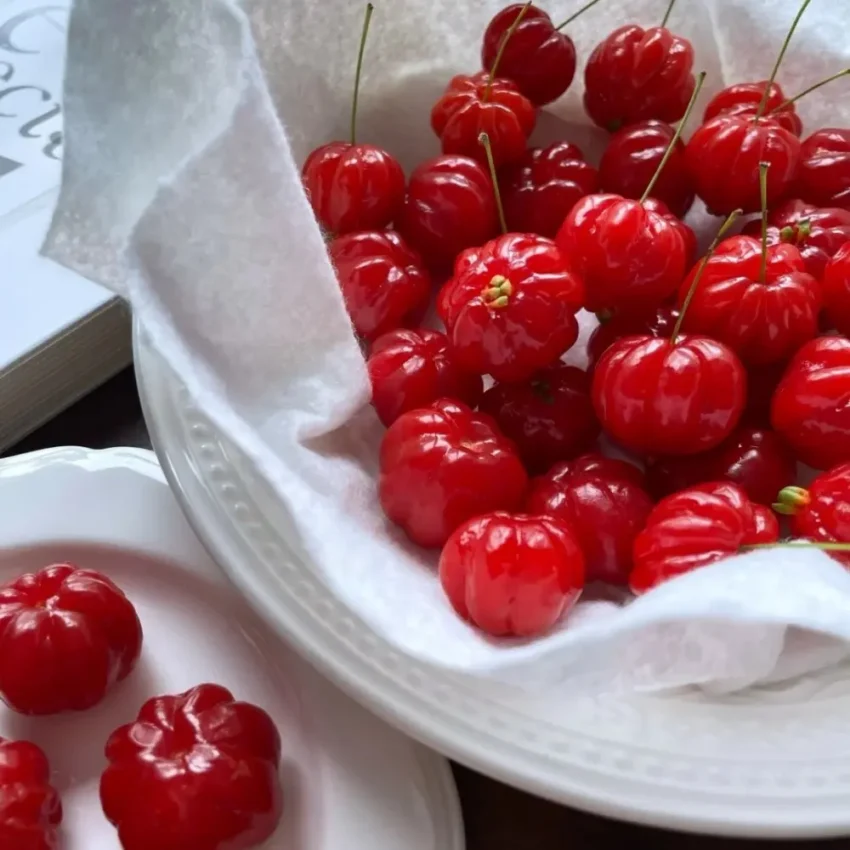

A flash of red beside a country lane can make even a seasoned island guide pause. The Barbados cherry is small enough to fit in your palm, but its sharp, bright flavor and surprising nutritional reputation have made it one of the Caribbean’s most memorable fruits. For visitors who want to see more than the resort buffet, noticing a fruiting acerola tree is one of those lovely little signs that you have reached the real Barbados.
It is not a cherry in the classic North American sense. It is acerola, a tropical fruit that grows on a leafy shrub or small tree and thrives in Barbados’ warm climate. When ripe, it can look like a tiny scarlet cherry from a distance. Take a bite, however, and there is no mistaking it: the flavor is tangy, juicy, and lively enough to wake up your taste buds before breakfast.
What Is the Barbados Cherry?
The Barbados cherry is commonly known as acerola and is botanically called Malpighia emarginata. The fruit is usually red to deep crimson when ripe, lightly ribbed, and soft-skinned. Inside are several hard seeds surrounded by juicy flesh. It grows across the Caribbean and other tropical parts of the Americas, and it has become a familiar sight in home gardens throughout Barbados.
Acerola trees are handsome as well as useful. Their small pink-to-lavender flowers appear against glossy green leaves, followed by fruit that can ripen quickly in warm weather. A tree may carry blossoms, green fruit, and ripe red fruit at the same time, which feels like a small bit of island magic when you spot it on a countryside walk.
The name can cause a little confusion. You may hear it called Barbados cherry, West Indian cherry, acerola cherry, or simply acerola. All point to the same fruit. It is closer to a tropical berry than to the sweet cherries many US and UK visitors know from pies and summer markets.
Why This Little Fruit Has Such a Big Reputation
Acerola is celebrated for its naturally high vitamin C content. The exact amount varies with ripeness, growing conditions, storage, and how it is prepared, but fresh acerola is widely recognized as an exceptionally vitamin C-rich fruit. That is why it often appears in juices, purées, powders, and supplements.
Still, the finest reason to try it in Barbados is not a nutrition label. It is the taste. Fresh fruit is typically more tart than sweet, with a gentle apple-like note and a tropical edge. Some people love that first puckering bite. Others prefer it blended with other fruits, made into juice, or sweetened slightly in a preserve.
Like many fresh tropical fruits, acerola is delicate. It bruises easily and does not keep for long after picking, so the flavor is often best close to where it was grown. That is part of its charm. It is not a fruit designed for a long supermarket journey. It belongs to gardens, roadside stands, family kitchens, and warm afternoons.
Fresh, Juiced, or Preserved?
Fresh Barbados cherry is the most direct experience, especially when it is fully ripe and still cool from a shaded bowl. Expect juice, seeds, and a bright tartness. If you do not enjoy sour fruit, acerola juice may be the better introduction. It is often blended with sweeter fruit to balance the acidity.
Preserves and sauces offer another route, particularly for travelers who want a small taste of local food culture without wrestling with the seeds. The trade-off is simple: cooking and added sugar can soften the fruit’s bold personality, while fresh fruit gives you the fullest punch of flavor. Neither is wrong. It depends on whether you are chasing refreshment, a snack, or something to take home in your memory rather than your suitcase.
Where You May Spot Acerola in Barbados
The Barbados cherry is most likely to appear away from the busiest beachfront corridors, in residential gardens, along quieter lanes, and across the island’s green interior. It is a fruit of lived-in Barbados, where kitchen gardens, flowering hedges, old stone walls, and cane-field views share the same road.
That makes it a wonderful detail to notice while exploring the island by foot or bike. On routes through rural parishes, the landscape reveals itself slowly: breadfruit trees, mangoes in season, coconut palms, medicinal plants, and flowering shrubs. Acerola does not always announce itself until you see the red fruit tucked under the leaves.
Please do not treat every fruiting tree as an invitation to pick. Many trees are on private property, and a fruit beside a trail may have been sprayed or may not be safe to eat. A local guide can help identify what you are seeing and explain whether fruit is appropriate to sample. The polite Bajan approach is the best one: ask first, enjoy the conversation, and never assume.
A Tiny Window Into Bajan Garden Culture
In Barbados, gardens are more than decoration. They can be places of food, practical knowledge, family pride, shade, and storytelling. A fruit tree beside a home may have been planted years ago by a grandparent, shared with neighbors, or used in drinks and cooking whenever the season is generous.
That connection matters for travelers seeking a more meaningful island experience. Beaches are beautiful, of course, but the island’s character also lives in ordinary, extraordinary details: a neighbor tending plants before the heat rises, a market vendor explaining what is in season, or a guide pointing out a tree you would have pedaled past without a second glance.
Barbados’ landscape carries history in these small scenes. The roads that pass through cane country and hill communities were shaped by centuries of agriculture, trade, migration, and village life. Native and introduced plants have become part of that layered story. Seeing an acerola tree among them does not require a grand monument to feel significant. It is a reminder that island heritage is also edible, seasonal, and close to the ground.
How to Enjoy the Barbados Cherry Responsibly
If you encounter acerola at a market, café, or with permission from a host, choose fruit that is richly colored and plump rather than shriveled. Wash it before eating and remember that the seeds are hard. The fruit is best enjoyed promptly because its texture changes quickly once picked.
Visitors taking medication, managing a health condition, or considering concentrated acerola supplements should check with a qualified health professional first. Fresh fruit in normal food portions is one thing; highly concentrated powders and extracts are another. A holiday is a fine time to try new flavors, not to make your body guess what is happening.
For a more complete food experience, ask locals what is ripening during your stay instead of arriving with a fixed checklist. Mango, guava, tamarind, golden apple, breadfruit, and acerola each have their moments. Availability shifts with weather and growing conditions, which is precisely why seasonal eating feels so connected to place.
See Barbados Through the Details
The most memorable island moments are not always the headline stops. Sometimes they are the things that make you slow down: the call of a bird across a gully, the salt spray along the east coast, an old chattel house, or a tiny red fruit shining in a garden.
On an eBike Barbados excursion, our fun, laid-back local guides are always happy to point out the plants, stories, and hidden corners that make the ride more than a ride. With pedal assist to take the sting out of the hills and transport organized from your hotel, villa, or cruise terminal, there is room to look up, ask questions, and notice the real island. Keep an eye out for that flash of red – it may be the Barbados cherry inviting you to taste a quieter side of Barbados.