7 Best Barbados Routes Through Nature, Hills, and Culture
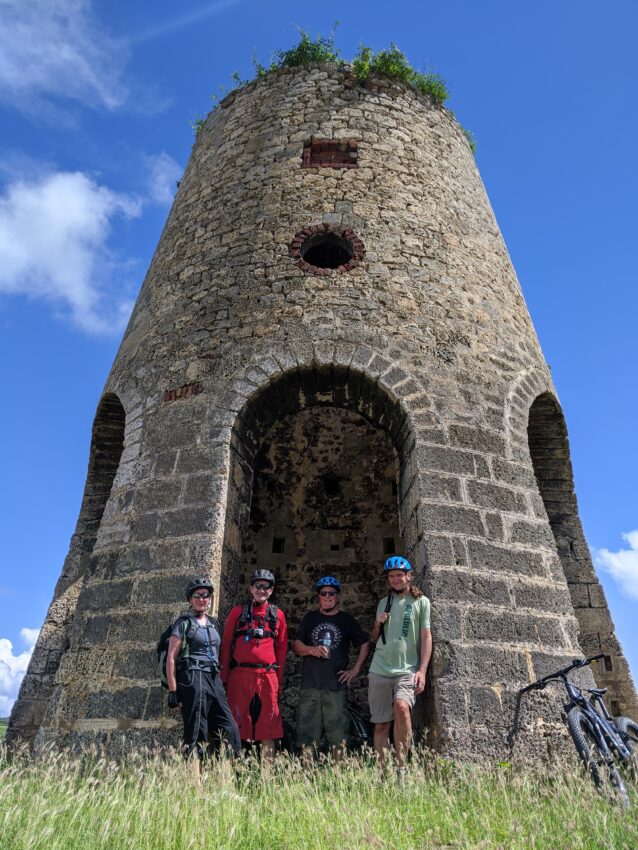

The road bends above Bathsheba, the Atlantic starts throwing its usual lively tantrum against the rocks below, and suddenly the Barbados of glossy resort brochures feels a long way away. The best scenic Barbados routes reveal an island of high ridges, sugar cane fields, old village churches, wind-shaped coastlines, and stories that make each view mean more.
This is the Barbados that rewards travelers who venture beyond the beach chair. Some routes are ideal for a relaxed pedal-assist ride; others are better enjoyed on foot with a knowledgeable local guide who knows where the trail changes, where the views open up, and which piece of local history is hiding in plain sight. Here are seven memorable ways to see the real island.
1. Bathsheba and the East Coast Road
Barbados’s east coast is dramatic in a way first-time visitors do not always expect. The Caribbean-facing west coast can be calm and polished, while Bathsheba meets the Atlantic with rolling surf, broad skies, coral rock, and striking boulders scattered offshore. The famous Soup Bowl draws surfers, but the scenery is just as rewarding for riders and walkers who prefer to stay dry.
A route around Bathsheba and the surrounding St. Joseph countryside combines ocean lookouts with green gullies and traditional villages. It is a place to slow down rather than race through. You may pass old homes, small churches, roadside fruit stalls, and hills that explain why a regular bicycle can feel like a personal grudge match.
Pedal-assist eBikes make this landscape much more welcoming for mixed-ability groups. Everyone can take on the climbs at a comfortable pace, stop for photographs, and arrive at the lookout together instead of waiting for the strongest rider to circle back. The trade-off is that this is not a flat, casual boardwalk route. East coast conditions can be breezy, roads can be narrow, and a guided outing is the smart choice for visitors unfamiliar with island driving and terrain.
2. Edge Cliff and the Scotland District Ridges
For a big-picture view of Barbados, head toward the elevated landscapes around Edge Cliff and the Scotland District. This area feels wonderfully different from the island’s busier coastal strips. Deeply folded hills, patches of forest, grazing land, and distant ocean views create a landscape that is often compared to a miniature version of the British countryside – only warmer, sunnier, and with rum shops nearby.
The Scotland District also tells a geological story. Its rolling, clay-rich terrain differs from much of Barbados’s coral limestone foundation, creating some of the island’s most unusual landforms. A good guide can point out the changing landscape while placing it within the wider history of settlement, farming, and village life.
This route suits travelers who want scenery with a sense of discovery. It is especially good for couples and active adults who enjoy being outdoors but do not want an all-day athletic test. The best moments are often the quiet ones: a breeze along a ridge, a flash of green from a bird in the trees, or a panorama that makes you understand just how varied this small island can be.
3. Hackleton’s Cliff and the Central Highlands
Hackleton’s Cliff delivers one of those views that has visitors reaching for their cameras and then realizing the photograph cannot quite do it justice. From the high central ridge, the land falls away toward the east, with layers of fields, gullies, villages, and distant ocean stretching below.
This was historically significant country. Barbados’s interior has long been shaped by plantation agriculture, shifting land ownership, village communities, and the routes people used to move between the highlands and coast. Looking out from Hackleton’s Cliff is not only about seeing pretty countryside. It is about seeing a landscape where generations lived, worked, worshipped, and built community.
A scenic route through this area can include peaceful back roads and cane country that many visitors never encounter. The hills are real, so this is where an eBike earns its keep. You still pedal and feel connected to the road, but the motor assistance takes the sting out of the steep parts. No medals are awarded for arriving sweaty when there is a far better view waiting at the top.
4. PEG Farm and the Southeastern Coast
Near the southeastern side of the island, the countryside around PEG Farm offers a refreshing blend of open farmland, coastal air, and a more quietly rural Barbados. It is a strong choice for travelers interested in sustainable food, farming landscapes, and the connection between what grows on the island and what appears on a Bajan table.
The appeal here is not one famous landmark. It is the rhythm of the place: grazing animals, sea breezes, fields, and roads that invite you to notice the details. Depending on the route and access conditions, this area can pair beautifully with nearby coastal scenery and historic parish landscapes.
Visitors should remember that agricultural areas are working communities, not outdoor theme parks. Stay on approved paths, respect gates and livestock, do not leave litter behind, and support local businesses when the opportunity arises. Responsible exploration keeps these special places special.
5. Malvern Plantation Country and St. John
The parish of St. John is one of Barbados’s most rewarding places for a countryside ride. Around Malvern Plantation and the surrounding district, you can experience rolling terrain, mature trees, fields, and heritage-rich roads that feel pleasantly removed from the island’s commercial centers.
St. John has deep historical roots, and the parish church itself is associated with a commanding east coast outlook. Routes in this part of Barbados bring together the island’s agricultural past and its everyday present. You are not passing through a staged version of rural life. You are seeing the communities, roadways, and landscapes that continue to shape it.
This is a fine route for guests who want a slower, more reflective outing. A local guide adds real value here, not by rushing from stop to stop, but by explaining what you are seeing and introducing the stories a map cannot provide. Barbados has history in its museums, certainly, but it also has history in a stone wall, a schoolhouse, a churchyard, and an old road climbing through cane fields.
6. Coastal Trails Near Cattlewash
Cattlewash offers a wilder coastal mood, with a long beach, powerful Atlantic conditions, and a welcome sense of space. It is better suited to a guided hike or carefully planned sightseeing walk than casual swimming. The sea can be rough, currents can be strong, and conditions change quickly.
On land, however, the rewards are enormous. Coastal trails and lookouts reveal limestone formations, sea grape, windswept vegetation, and the ever-changing color of the ocean. Birders should keep their eyes open as well. Barbados’s mix of wetlands, woodland edges, open fields, and coast creates opportunities to spot resident and migratory species throughout the year.
Bring water, sun protection, and footwear with grip if you are walking uneven ground. A hat is helpful, but secure it well. The east coast breeze has a mischievous habit of claiming souvenirs.
7. Historic Bridgetown on Foot
Not every scenic route needs a sweeping ocean view. Bridgetown is scenic in a different, more layered way: historic buildings, busy streets, public squares, churches, markets, and the daily energy of Barbados’s capital. As a UNESCO-listed historic area, it holds essential chapters of the island’s story, including colonial trade, emancipation, migration, commerce, faith, and the growth of modern Barbadian identity.
A thoughtful walking route can take in National Heroes Square, Cheapside, Swan Street, St. Mary’s Church, Palmetto Square, and the Jewish Synagogue area. These places are best experienced with context. A laid-back local guide can turn an architectural detail or street name into a story that connects Bridgetown to the wider Caribbean and the world.
For cruise guests, this is a particularly practical option when time ashore is limited. For travelers staying on the coast, it provides a meaningful contrast to beach days and resort life. Wear comfortable shoes, carry water, and plan around the midday heat whenever possible.
How to Choose Among the Best Scenic Barbados Routes
Choose the east coast if you want drama, surf, and rugged scenery. Pick the central ridges around Hackleton’s Cliff or Edge Cliff for elevated views and countryside history. Go south and southeast for farming landscapes and a quieter pace. Choose Bridgetown if heritage, architecture, and living city culture are calling your name.
It also depends on how you want to move. Hiking gives you time to study the landscape underfoot, while eBiking covers more ground without turning vacation into boot camp. Pedal-assist bikes are particularly helpful for friends, couples, and families with different fitness levels. They allow confident cyclists to enjoy the ride while helping newer riders stay comfortable on Barbados’s rolling roads.
For a smooth day out, look for a small-group experience that includes a properly fitted helmet, safety guidance, water breaks, and transportation. eBike Barbados provides island-wide pickup and drop-off from hotels, villas, resorts, and the cruise terminal, removing the need to navigate unfamiliar roads or arrange a rental car just to reach the starting point.
The best route is not always the one with the most stops. Give yourself enough time to listen to the wind, chat with locals, learn why a landscape matters, and let Barbados surprise you. That is where the island’s finest views tend to linger – long after the sand has left your shoes.