Monuments of the Wind: The History of Barbadian Windmills
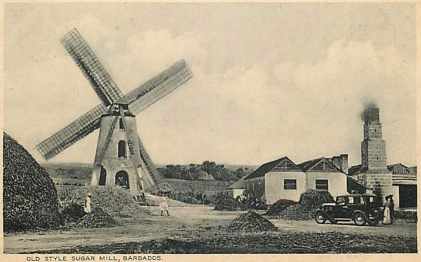

Monuments of the Wind: The History of Barbadian Windmills
On a breezy ridge in St. Andrew, the round stone tower at Morgan Lewis stands above cane fields and rolling countryside like a landmark from another Barbados. Its sails, when turning, make the connection unmistakable: this peaceful view was once part of a powerful and punishing sugar economy. The history of windmills in Barbados is not simply a story of picturesque ruins. It is a story of trade winds, engineering, wealth, land, and the enslaved people whose labor made plantation sugar possible.
For travelers who want to understand the real island beyond the beach, these towers offer a powerful way in. You will spot them in fields, behind old estate walls, and on elevated ground where the breeze could reach their sails. Some are carefully preserved; many are weathered shells. All deserve more than a quick photo from a passing vehicle.
How Windmills Changed Barbados
Before sugar transformed the island, Barbados had a smaller agricultural economy built around crops such as tobacco, cotton, ginger, and indigo. That changed dramatically in the 1640s, when planters shifted toward sugar cane. Barbados had fertile soils, a favorable climate, access to Atlantic trade networks, and steady trade winds. Those winds helped make mechanical cane crushing possible on a scale that altered every part of island life.
A sugar plantation was a working system, not just a grand house surrounded by fields. Cane had to be cut quickly once mature, then crushed before its juice spoiled. Windmills provided the power to turn heavy rollers that squeezed juice from the cane. The juice moved to the boiling house, where it was heated and processed into raw sugar. The dry, crushed cane fiber, called bagasse, was often used as fuel.
The tower itself was only one piece of a much larger operation. Nearby were cane fields, boiling houses, curing houses, storage areas, animal pens, workers’ quarters, and roads connecting estates to ports. When you see a mill ruin, imagine the activity that surrounded it: carts moving cane, fires burning in the boiling house, and long hours of difficult, dangerous work.
Wind Power Was Clever, but Never Effortless
Barbadian windmills were built to capture the island’s prevailing easterly trade winds. Their tall, circular stone towers held machinery that transferred the movement of large cloth-covered sails to the crushing rollers below. Building in coral limestone gave these structures the strength to handle constant wind, though hurricanes and tropical weather could still cause serious damage.
The technology was impressive for its time, but it came with limitations. A mill could only work when there was sufficient wind, and mill operations could be interrupted by calms, heavy rain, damaged sails, or mechanical failures. Planters often used animal-powered mills as a backup, while later steam engines offered greater reliability. The switch to steam did not happen everywhere at once. It depended on an estate’s finances, access to fuel and equipment, and the condition of its existing mill.
That is why Barbados developed a landscape of varied sugar infrastructure. Some estates retained windmills for decades, while others modernized. The old stone towers remained long after their machinery stopped turning, becoming familiar markers of the countryside.
The human cost behind the sugar boom
It would be misleading to celebrate windmills as charming relics without addressing what powered the plantation system in the fullest sense. Barbados became one of the wealthiest English colonies through sugar, and that wealth was built on the forced labor of enslaved Africans and their descendants.
Enslaved people planted, weeded, cut, carried, crushed, boiled, repaired, cooked, raised children, and maintained the daily life of the estates under brutal conditions. Sugar production required relentless labor during the harvest season, when cane had to move rapidly from field to mill and into the boiling house. The risks included sharp cane leaves, heavy loads, crushing machinery, intense heat, and harsh punishment within a system designed for profit rather than human dignity.
Emancipation in Barbados came in 1834, followed by a period of apprenticeship before full freedom in 1838. Yet freedom did not instantly erase the economic inequalities created by plantation ownership and land control. The mill towers remain physical reminders of that complicated legacy. They belong in conversations about Barbadian ingenuity and landscape, but also about resistance, survival, freedom, and the generations who shaped the island despite extraordinary hardship.
Morgan Lewis and the Mills That Remain
The best-known surviving example is Morgan Lewis Windmill in St. Andrew, generally dated to 1727. Set in the Scotland District, where the terrain rises and falls more sharply than many visitors expect from Barbados, it is one of the Caribbean’s most important surviving sugar windmills. Its location is no accident. The high, open ground gave it exposure to the wind needed to operate.
Morgan Lewis is especially meaningful because it allows visitors to see the scale of a working mill rather than just a broken tower. Even when the sails are still, its stone walls, upper machinery, and elevated setting tell a clear story about how wind power shaped the sugar landscape. It also makes a brilliant stop when exploring the east and northeast, where the scenery shifts from polished resort coast to dramatic ridges, gullies, and cane country.
Elsewhere, abandoned mill towers rise quietly on former plantation lands. Some are visible from public roads; others sit on private property or within working agricultural areas. Their condition varies widely. A roofless tower may look romantic in late-afternoon light, but its gaps, cracks, and missing machinery reveal decades or centuries of weather exposure and changing land use.
Not every old mill is accessible, and that is worth respecting. Do not climb a ruin, cross fields without permission, or treat an estate landscape as an open-air playground. The best experience is one that protects both the site and the people who live or work nearby.
Why Windmills Still Matter to Barbados
Windmills help explain why the island’s countryside looks the way it does. They connect the surviving cane fields, old estate roads, churches, villages, and port cities into one historical map. Sugar from rural plantations moved toward Bridgetown and other coastal loading points, tying inland labor to international markets and to a wider Atlantic world.
They also challenge the idea that Barbados is only flat beaches and rum punch. Head toward Hackleton’s Cliff, the St. Andrew hills, or the rugged east coast near Bathsheba, and you begin to see an island shaped by elevation, weather, agriculture, and generations of rural communities. A stone mill tower on a ridge has a way of making the landscape feel legible.
For modern Barbados, the mills carry another useful message. They show how people once relied on renewable wind power, though within a plantation system that was profoundly unequal. That contrast matters. The towers can inspire conversations about renewable energy and resilient island living, but they must never be used to soften the realities of colonial slavery.
Seeing Barbados Windmills With Context
If a windmill is on your Barbados wish list, plan it as part of a countryside day rather than a rushed box to check. The east is ideal for combining history with scenery, local food, and stops along the island’s more rugged side. Comfortable closed-toe shoes, water, sunscreen, and a light layer for breezy ridges will serve you well.
A good local guide adds the details a signboard cannot: which estate roads once carried cane, why a mill faced a particular direction, how communities changed after emancipation, and where the best views sit just beyond the usual tourist circuit. On a small-group ride or hike with eBike Barbados, the gentle pedal assist helps mixed-ability travelers handle the hills while leaving plenty of energy for the stories and the scenery.
When you come across one of these old towers, pause for more than the photograph. Look at the wind, the fields, the roads, and the homes around it. That quiet structure has witnessed centuries of Barbados becoming the island it is today.