Barbados Green Lizards on the Island’s Wild Trails
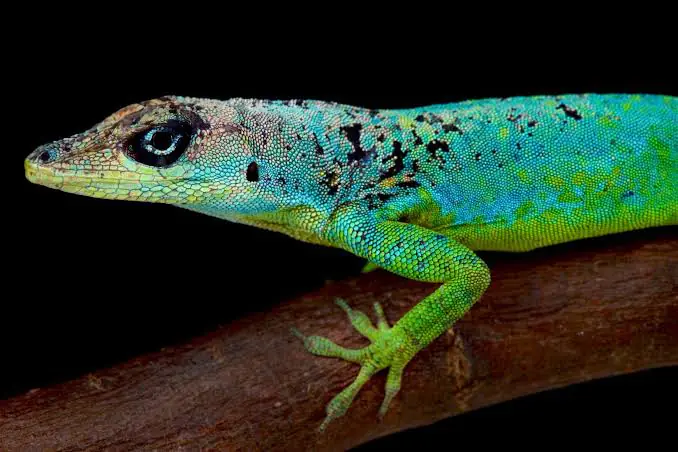

A flash of green on a sun-warmed fence post can stop even the most determined sightseer mid-stride. Barbados green lizards are small, quick, and wonderfully expressive, often appearing just as a trail opens onto cane fields, a garden hums with insects, or a quiet rum shop wall catches the morning sun. They are part of the everyday wildlife of the island, but seeing one well takes a little patience and a willingness to slow down.
For visitors who want to experience the real Barbados beyond the beach chair, these little reptiles are a fine reminder that the island’s natural life is never far away. You may spot one beside a rural lane, in dry coastal scrub, around an old plantation building, or close to a flowering hedge. No grand expedition required – just open eyes, a calm approach, and perhaps a guide who knows where the small stories live.
Meet the Barbados Green Lizard
The lizard many visitors notice is the Barbados anole, known scientifically as Anolis extremus. It is native to Barbados and comes in more colors than its popular nickname suggests. Some look bright leaf-green in good light, while others appear olive, gray-green, or brown, especially against bark, stone, and dry vegetation. That shifting look is not a magic trick, but it does help them disappear remarkably quickly when they choose to.
Anoles are compact lizards with long tails, alert heads, and a habit of pausing as though they are considering the day’s business. Males are often larger and more conspicuous than females. During territorial displays or courtship, a male may bob his head, extend the colorful skin flap beneath his throat, called a dewlap, and make his feelings very clear to another lizard. It is a tiny bit of island drama, performed without a ticket.
They are insect-eaters, which makes them useful neighbors in gardens and natural spaces. A healthy patch of vegetation with insects, shade, and sunny perches gives them what they need. Their presence can be a lovely sign that a place still has the small-scale habitat wildlife depends on.
A quick note on names
“Green lizard” is a handy visitor term, but it can describe more than one kind of lizard depending on who is speaking and where they saw it. If you are trying to identify the common small lizard darting along a wall or low branch, the Barbados anole is often the best place to start. Size, location, color, and behavior all matter, so a photograph is more useful than color alone.
Where Barbados Green Lizards Are Most Often Seen
The best places are usually not the busiest. Green lizards favor areas with a mix of sun and cover: shrubs beside walking paths, mature gardens, stone walls, forest edges, and quiet countryside lanes. They may perch low on a trunk, cling to a fence, or hold perfectly still on a branch at eye level.
Along Barbados’s rugged east and southeast, the landscape changes fast between exposed coast, grassy slopes, gullies, and planted fields. Around places such as Bathsheba, Hackleton’s Cliff, Edge Cliff, and the countryside near PEG Farm, visitors can experience the island’s wilder textures alongside its wildlife. Windy coastal areas may require more patience, while sheltered trails and garden edges can be particularly productive.
Do not overlook the historic parts of the island either. Old stonework, mature trees, courtyard gardens, and quiet corners around traditional homes can create good lizard habitat. Barbados history and nature are not separate chapters here. A lizard sunning itself on coral stone may be doing so beside a wall that has watched generations of island life pass by.
Timing helps. Early morning, before the day becomes too hot, is often excellent because lizards are warming themselves in the sun. Late afternoon can also be rewarding, especially where there is dappled light. At midday, you may still see them, but they can be faster to retreat into cover when people approach.
How to Watch Without Sending Them Running
The secret is to stop chasing the sighting. If a lizard catches your attention, pause several steps away and let it decide you are not a threat. Sudden movements, looming directly overhead, and repeated attempts to get closer usually end with a tail vanishing into leaves.
A few simple habits make a real difference:
- Walk quietly near hedges, walls, and sunny vegetation rather than scanning only the ground.
- Stand still for a minute or two once you spot movement. Anoles often reappear when the coast is clear.
- Use your phone zoom or binoculars rather than reaching toward a lizard or moving vegetation aside.
- Keep children curious but gentle, and never try to catch, feed, or handle wildlife.
Avoid using flash photography at close range. A natural photograph is better for the animal and usually better for your memory as well. If you are on a hike or eBike outing, take a quick look, enjoy the moment, then leave the lizard to its very busy schedule of hunting, basking, and judging rival lizards from a branch.
Why Habitat Matters on a Small Island
Barbados may be compact, but it holds a remarkable variety of environments. Coastal thickets, gullies, gardens, woodland pockets, wetlands, and working agricultural land each support different forms of life. For small reptiles, those connected scraps of habitat matter. A hedge between fields, a tangle of native plants beside a road, or shade around an old tree can be much more than scenery.
Visitors can support that balance in straightforward ways. Stay on established paths, carry out food wrappers and drink containers, and do not remove plants, shells, rocks, or animals as souvenirs. If you are staying at a villa or hotel with gardens, enjoy the wildlife from a respectful distance and keep doors closed where possible. Lizards are entertaining outdoor neighbors, but nobody needs one inspecting the fruit bowl.
Choosing low-impact ways to explore helps too. Walking and pedal-assist cycling allow you to notice small wildlife without adding the noise and rush of a large vehicle convoy. On an eBike, you can cover countryside ground comfortably while still stopping for a bird overhead, a green lizard on a wall, or the view from a ridge. The assist is there for Barbados’s rolling hills, not for racing past the good bits.
Pair Lizard Spotting With a Bigger Nature Day
Lizards are rarely the only wildlife worth watching. Keep an eye out for birds in the trees and sky, butterflies around flowering plants, and crabs in the right coastal or wetland habitats. The pleasure of a guided nature experience is not merely being told a species name. It is learning how the landscape fits together: why one gully stays green, how old land use shaped a ridge, where local communities have farmed, traveled, and built their lives.
A small-group outing is particularly well suited to these unscripted sightings. There is room to stop safely, ask a question, and let a guide point out what most visitors would miss. At eBike Barbados, our local guides keep the atmosphere relaxed and fun, while bringing the island’s natural history and human history into the same conversation. You do not need to be an expert rider or a wildlife specialist to enjoy it.
Wear breathable clothing, closed-toe shoes for active trails, sunscreen, and insect repellent when appropriate. Bring water, and keep a light rain layer handy during wetter periods. Guides can provide the equipment and route support for planned tours, including helmets for eBike rides, so guests can focus on the scenery instead of the logistics.
Are Barbados Green Lizards Dangerous?
For ordinary visitors, these small lizards are harmless and shy. They are not looking for a confrontation, and a close encounter usually means you have surprised one in its preferred sunbathing spot. Give it space and it will almost always move away or settle back into watchful stillness.
The better question is not whether you should fear them, but whether you can notice them. On a Barbados trail, the smallest wildlife sighting often changes the pace of the whole day. Look along the hedge before you look at your phone, wait an extra moment by the old stone wall, and let the island introduce itself in its own good time.