Barbados: The Easternmost gateway of the Atlantic Flyway
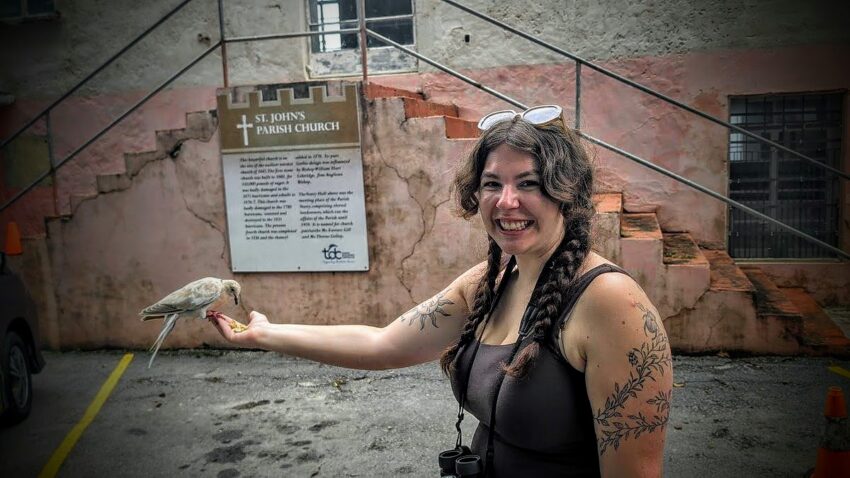

Barbados: The Easternmost gateway of the Atlantic Flyway
The sun rises over the eastern edge of the Caribbean, casting a golden light across the tranquil Atlantic horizon. While millions of visitors associate Barbados with turquoise waters, powder-soft beaches, and vibrant cultural festivals, a quieter, deeply captivating spectacle unfolds across its southeastern wetlands and inland parishes.
Beyond the popular resort coastlines lies a lesser-known identity: Barbados is the easternmost gateway of the Atlantic Flyway. Situated 100 miles east of the main Caribbean island chain, this 166-square-mile island serves as the very first landfall for thousands of migratory shorebirds traveling south from North America. For a bird that has spent days navigating hundreds of miles of open ocean, Barbados isn’t just a scenic backdrop—it is a critical, life-saving refuge where they can land, rest, feed, and replenish their energy before continuing their epic journeys to South America.
With over 283 recorded bird species—ranging from rare vagrants blown across the ocean from Europe and Africa to the island’s own charismatic endemics—Barbados offers a surprisingly rich tapestry of avian life. Experiencing these unique landscapes offers an intimate, front-row seat to the island’s natural heritage, moving at a peaceful pace that lets you hear every wingbeat and song call along the coast.
Chancery Lane Swamp: The Windswept Coastal Haven
Located along the rugged southeastern coast, Chancery Lane Swamp is a natural salt marsh and coastal wetland that feels worlds away from busy tourist centers. As one of the few natural wetlands remaining on the island, its preservation is essential to the biodiversity of the entire Bajan coastline.
During the North American winter, the expansive mudflats and shallow waters of Chancery Lane transform into a bustling rest stop. Here, you can observe:
• Sandpipers and Plovers: Energetically probing the soft shoreline mud for small invertebrates and crustaceans to rebuild their fat reserves.
• Ospreys: Sweeping low over the open water, hunting for fish before perching on coastal vegetation.
• Herons and Egrets: Stalking patiently through the marsh grass in search of small prey.
Walking along the coastal tracks near Chancery Lane offers sweeping ocean views on one side and tranquil wetland habitat on the other. The cool Atlantic sea breeze carries the calls of wintering flock species, creating a sensory immersion that motorized vehicles simply miss.
Conservation in Action: Woodbourne Shorebird Reserve
The story of birdwatching in Barbados is also a story of conservation and ecological transformation. For generations, shorebird hunting was a seasonal tradition across the island. However, over the past several decades, local conservationists and the Barbados Wildfowlers Association (BWFA) began shifting the focus toward sustainable management and habitat restoration.
Partnering with international organizations like BirdLife International, local bird advocates established self-governing measures to protect migratory populations:
• Capping gross annual island harvests and daily limits to safeguard shorebird numbers.
• Eliminating the use of recorded acoustic callers used to lure migrating flocks.
• Rehabilitating historic hunting locations into permanent, protected wildlife reserves.
A shining example of this conservation evolution is the Woodbourne Shorebird Reserve in Christ Church. Once an active hunting site, it was thoughtfully restored into a managed freshwater haven designed specifically for migratory waterfowl and shorebirds.
Today, Woodbourne’s quiet pools, mudflats, and surrounding vegetation provide sanctuary for dozens of species. It holds a special place in local ecology as the only known breeding site in Barbados for the elusive Yellow-crowned Night Heron. Watching these sleek birds navigate the reedy edges of Woodbourne offers a powerful reminder of how habitat restoration can give nature a second chance.
Hidden Sanctuary: The Private Reserve of The East
Further east, tucked away in the scenic parish of St. Philip, lies an exclusive private reserve dedicated to preserving local wildlife habitat. Away from public roads and suburban development, this hidden oasis provides a quiet sanctuary where native and migratory birds thrive undisturbed.
The St. Philip reserve features a balanced blend of open water, surrounding grasslands, and dense tropical foliage. Because it is privately maintained, the habitat remains pristine, offering a crucial feeding ground during peak migration months.
Environmental Stewardship and Protective Measures
Protecting these vital wetlands requires continuous education and dedicated environmental management. Across the island, initiatives led by groups like BirdsCaribbean train local guides and community members in habitat interpretation, species identification, and eco-tourism stewardship.
These efforts are vital as local wildlife faces modern environmental challenges:
• Invasive Species: Mongooses and rats threaten ground-nesting birds, native geckos, and sea turtle eggs along vulnerable beaches.
• Habitat Preservation: Legal frameworks like the Wild Birds Protection Act ensure that local sanctuaries remain legally safeguarded retreats for transient species along the Atlantic Flyway.
By training local stewards, Barbados ensures that its wetlands remain safe havens for future generations of migratory and resident birds alike.
Exploring the Flyway – Slowly, Quietly on Foot
To truly experience the natural rhythms of Barbados, you have to slow down and immerse yourself in its landscapes. Walking quietly through the rolling terrain of Christ Church and St. Philip on foot offers a unique, sensory connection to the island.
Our Birdwatching Experience gives you the freedom to explore scenic backroads, coast along coastal bluffs, and stop effortlessly whenever a flash of color or a rare song call catches your eye. You get all the fresh air and open viewscapes that most visitors never get to experience staying within the walls of the hotel.
As tens of thousands of feathered travelers take to the sky along the Atlantic Flyway each year, the southeastern coast of Barbados stands ready to welcome them. Exploring Chancery Lane, Woodbourne, and the peaceful groves of St. Philip is an invitation to discover the wild, living heart of the island at your own pace.