Where Can I Get Good Souvenirs in Barbados? Local Picks
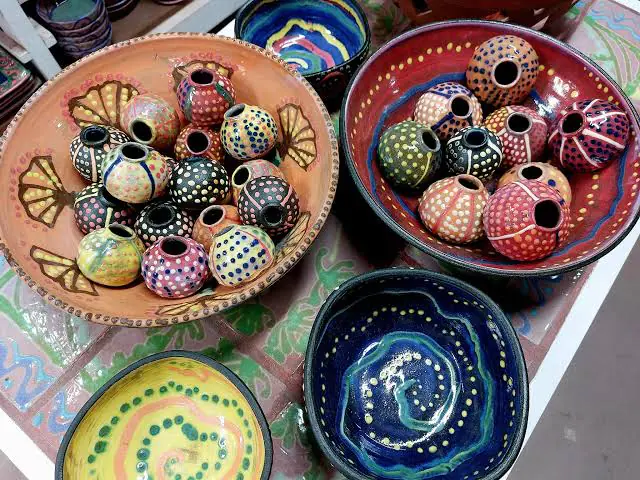

The question, “where can I get good souvenirs in Barbados,” has a much better answer than a rack of mass-produced keychains. The best keepsakes here carry a little of the island with them: pottery shaped by local hands, a bottle with serious Bajan character, art that catches the East Coast light, or a flavour that brings a Barbados breakfast straight back to your kitchen.
A good souvenir should come with a story. Buy it from the maker when you can, ask what it is made from, and leave room in your suitcase for something you will actually use or proudly display. That is how a small purchase becomes a proper reminder of the real Barbados.
Where Can I Get Good Souvenirs in Barbados? Start Local
Bridgetown is a strong first stop, especially for cruise guests and visitors who want to pair shopping with history. The city is not just a place to grab a gift before heading back to the ship. Its streets, markets, churches, trading lanes, and old commercial buildings tell the story of an island shaped by global trade, African heritage, British colonial rule, migration, and Bajan enterprise.
Around Cheapside Market, you may find spice blends, sauces, fruit preserves, locally grown produce, and everyday island conversation in equal measure. This is a better place to shop for food gifts than for polished, matching souvenir sets. Go with an open mind, carry small bills, and ask vendors what is in season or what Bajans take abroad for family.
For artisan goods, the Pelican Craft Centre in Bridgetown is worth a look. It brings together makers and small businesses selling pottery, paintings, jewelry, textiles, carved pieces, and island-inspired gifts. Quality and price vary, as they should when objects are handmade, so take your time. The piece that is slightly imperfect may also be the one nobody else takes home.
If you are joining a historic Bridgetown walk, keep a little shopping time free afterward. A guide can give context to the old city before you browse, making that locally painted street scene or crafted mahogany piece mean far more than it would in a generic terminal shop.
Shop for the Island You Actually Experienced
The most satisfying souvenirs often match the part of Barbados that stayed with you. If the Atlantic waves at Bathsheba, the breezy ridges near Hackleton’s Cliff, or a quiet cane-field lane gave you your favourite day, look for an artist or photographer whose work reflects that wilder side of the island. Barbados is far more than calm west-coast water and resort pools, and your keepsake can be too.
Local galleries, pop-up craft stalls, and independent shops across the island are good places to find paintings, prints, photography, and sculpture. Look closely at the subject matter. Work featuring chattel houses, flying fish, sea grape leaves, green monkeys, sugar cane, and East Coast rock formations is rooted in place. If you meet the artist, ask where the scene was painted or what inspired it. Bajans can tell a story, and most are happy to share it.
Pottery is another excellent choice. Barbados has a long tradition of ceramic craft, and locally made bowls, mugs, serving dishes, and decorative pieces are useful without feeling ordinary. A hand-thrown coffee mug can be a more lasting souvenir than a dozen trinkets, although it does require careful packing. Ask the shop to wrap it well, then place it in the center of checked luggage surrounded by clothing.
Jewelry can also be a lovely option, particularly pieces made with local materials or designs inspired by the sea and island flora. Just confirm what you are buying. A seller should be clear about whether the sea glass, shell, metal, or pearl is local, imported, natural, or manufactured. Honest provenance is part of the value.
Take Barbados Home Through Its Flavors
Edible souvenirs are easy to share and do not collect dust. Barbados has plenty of good options, from pepper sauce and seasoning blends to rum cakes, jams, chutneys, and sweet treats. A bottle of Bajan pepper sauce is small, cheerful, and powerful enough to wake up a whole winter stew back home. Consider yourself warned.
Rum is the classic choice, but choose it thoughtfully. Barbados is widely regarded as the birthplace of rum, and a bottle from a respected local producer makes sense for someone who enjoys spirits. Bring it home in checked luggage and check your airline and customs rules before buying. If you are traveling with only a carry-on, look for packaged foods instead of trying to negotiate airport liquid restrictions at the last minute.
For a more personal food gift, visit a market or specialty shop and ask what locals recommend. You may come across Bajan seasonings, tamarind products, cane syrup, coconut treats, or snacks that are difficult to find in the United States or United Kingdom. Check labels for ingredients and shelf life, particularly if you are buying for friends with allergies.
Markets Are Best for Conversation, Not Speed
Markets and community stalls can be the most memorable places to buy gifts because the exchange is part of the experience. You may learn how a sauce is used, hear why a particular plant grows well in a certain parish, or get a restaurant recommendation while choosing a jar of preserves.
They also require a little patience. Inventory changes, hours can shift, and not every vendor accepts cards. That is normal, not a sign that you have wandered off the map. Bring cash, be respectful when handling handmade work, and do not expect the same fixed-price retail experience you would find in a mall.
Bargaining is not required everywhere in Barbados. With handmade goods, an aggressively low offer can land poorly because you are discussing somebody’s time and skill. If a price is beyond your budget, simply thank the maker and choose something smaller. Buying directly from local artisans is one of the clearest ways to keep more of your vacation spending in island communities.
What to Skip, and What to Check Before You Buy
There is nothing wrong with a postcard, a T-shirt, or a magnet if it makes you smile. But if the label says it was made somewhere else, it is not really a Barbados souvenir in the meaningful sense. Save your money for an object, flavor, or artwork with a genuine connection to the island.
Be cautious with coral, shells, feathers, or anything that appears to come from protected wildlife. Besides the environmental concern, some natural items may create trouble at customs. The same goes for unmarked wood products and agricultural items. When in doubt, choose a clearly labeled craft, packaged food, print, or ceramic piece.
Think about luggage before you fall in love with something large. Framed art, glass bottles, ceramics, and carved wood can be wonderful purchases, but they need a plan. Ask whether the seller can package the item for travel, and keep receipts for higher-value goods. If an artist offers shipping, confirm costs, tracking, insurance, and expected delivery before you commit.
Make the Souvenir Part of the Day
The best shopping does not need to be a separate mission. Build it into a day that gives you a stronger connection to the island. Explore Bridgetown’s heritage streets, visit a market, stop for a Bajan lunch, then browse for something that reflects what you have seen. Or spend the morning out in the countryside and keep an eye out for a small studio, farm shop, or community craft stall on the way back.
That is the spirit behind exploring with a local guide. On an eBike Barbados tour, the ride is relaxed and the island stories come generously, from rural landscapes and old trade routes to the people who shaped them. You may not leave with a shopping bag from every stop, but you will have a much clearer idea of what feels true to Barbados when you do shop.
Choose one item that recalls a real moment: the first taste of pepper sauce, a view over the cane fields, a chat with a maker, or the sound of surf rolling into Bathsheba. Years from now, that is the souvenir that will still bring the island back.