The Coconut Craze in Barbados Is More Than a Trend
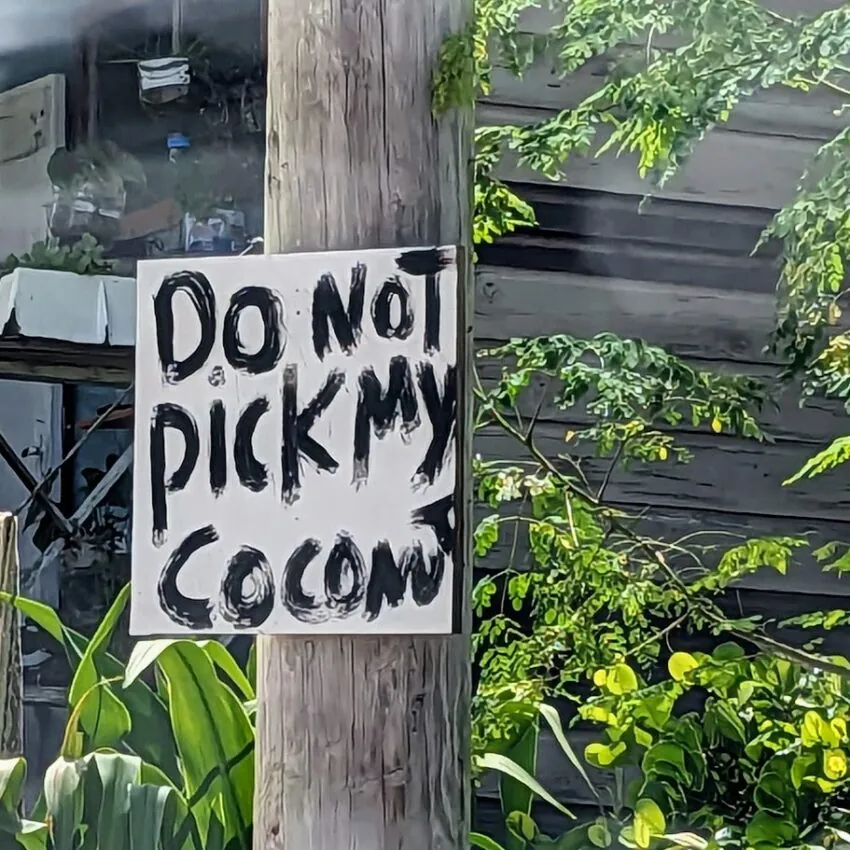

A Bajan loves a good coconut water and not surprisingly are sometimes a little protective of it – as they should be! A cold coconut on a hot Barbados afternoon is not exactly news but it’s just what the doctor ordered. What has changed though is the attention around it. The coconut craze in Barbados has turned a familiar island staple into a must-have photo, a post-hike refresher, a cooking ingredient, and a small window into how Bajans have long made good use of what grows around them.
Visitors see the green coconuts stacked by roadside vendors and the creamy coconut dishes on restaurant menus, then understandably want in. But Barbados is not treating coconut as a passing wellness fad. Here, the fruit has a much longer story – one that runs through home kitchens, country gardens, old estates, craft traditions, and the practical ingenuity of island life.
Why the Coconut Craze in Barbados Feels Different
In many vacation destinations, coconut arrives dressed up for the camera: a straw, a tiny umbrella, perhaps a suspiciously sweet rum mixture. In Barbados, the best encounters are often simpler. A vendor expertly opens a chilled green coconut with a few swift cuts. You drink the water first, then scrape out the soft jelly inside with a piece of shell. No fuss, no need to pretend it is something it is not.
Coconut water can be wonderfully refreshing after time outdoors, especially in Barbados’s warm, breezy climate. Still, it is not a magic cure-all. It contains natural sugars and electrolytes, but travelers should treat it as one enjoyable part of staying hydrated, not a replacement for regular water, meals, or sensible sun protection. If you are on a restricted diet or monitoring potassium intake, it is worth using the same judgment you would at home.
The real appeal is flavor and place. Coconuts connect visitors to the island at a slower pace than a resort bar menu can manage. You notice the husks, the palms, the vendors, and the fact that one fruit can become a drink, a snack, milk, oil, charcoal, fiber, and mulch. That is a proper island lesson hiding in plain sight.
From Palm to Plate: Coconut in Bajan Food
Coconut appears in Barbadian cooking with restraint as well as richness. It may soften a savory sauce, give body to a soup, or lend a gentle sweetness to a dessert. The result is rarely about overpowering everything else. Good Bajan food knows when coconut should lead and when it should stay in the background.
Coconut bread is a favorite place to start. Served warm or at room temperature, it can be slightly sweet, fragrant, and satisfying without needing icing or fanfare. Coconut turns up in sweet bakes and traditional treats too, often paired with spices that make it feel more grounded than dessert-counter sugary.
Then there is fish. Along Barbados’s coasts, coconut can work beautifully with fresh catch, herbs, lime, pepper, and local seasonings. The island’s food culture is shaped by African, British, Indian, and wider Caribbean influences, so there is no single coconut recipe that tells the whole story. That variety is part of the fun. Ask what is local, what is in season, and how a cook or vendor learned the recipe. You may get a story with your lunch.
A word to the wise: fresh coconut water, packaged coconut water, coconut milk, and coconut cream are entirely different things. The first is light and crisp. Milk and cream are richer ingredients used in cooking and baking. Ordering with that distinction in mind saves disappointment, particularly if you are expecting a light drink and receive something with dessert ambitions.
A Familiar Sight With a Bigger Story
Coconut palms are so closely tied to the Caribbean image that it is easy to stop seeing them. Yet they are part of a larger agricultural and cultural landscape. Barbados has long depended on the skills of people who knew how to grow, harvest, preserve, cook, and build with what was available. Coconut was useful because it could serve many purposes, not because it looked good beside a lounge chair.
That history is worth holding alongside the island’s complicated plantation past. Across the countryside, cane fields, old estate lands, village roads, churches, and coastal tracks all carry stories of labor, trade, survival, and change. A palm-lined view can be beautiful, but Barbados is more than a tropical backdrop. Its landscape is a lived-in record of its people.
On the east and southeastern sides of the island, the scenery becomes especially revealing. The Atlantic is more muscular, the roads climb and turn, and the terrain asks you to look beyond the usual resort corridor. Near places such as Bathsheba, Bowling Alley, and the countryside around PEG Farm, you can see how food, farming, weather, and community fit together. A coconut tastes different, somehow, when you have just spent the morning seeing the land that supports island life.
How to Enjoy Coconuts Without Falling for the Tourist Version
There is nothing wrong with enjoying a coconut drink on vacation. Just choose the moment well. A fresh coconut from a clean, busy vendor is often best enjoyed early in the day or after a walk, hike, or ride, when the refreshment is actually welcome rather than merely decorative.
Look for vendors who prepare the fruit in front of you and keep their work area tidy. If you want the jelly after finishing the water, ask. Most vendors know exactly what you mean, and some will split the shell so you can scoop it out. Carry small cash, be patient during busy periods, and do not assume every roadside stand operates the same hours every day. Island time has its own rhythm, and that is part of the charm.
If you are touring by bicycle, do not try to balance an open coconut while riding. That is less adventurous than it sounds and much more likely to end in a sticky shirt. Stop, hydrate, enjoy the view, and carry on when you are ready.
Coconut, Nature, and the Barbados Visitors Miss
The coconut craze in Barbados can be a fine excuse to get beyond the beach, provided you do not stop at the first palm tree. The island rewards curious travelers who step into its rural spaces with a guide who can explain what they are seeing. A landscape may look quiet until someone points out the old road alignment, a fruit tree in a family yard, the birds calling from a gully, or the history behind an estate wall.
That is where an active excursion earns its keep. Pedal-assist e-bikes make the rolling interior and coastal ridges approachable for mixed-ability groups, so the strongest rider is not racing ahead while everyone else negotiates a hill. You can pause for views, stories, photographs, and the occasional local snack without turning the outing into a fitness test.
At eBike Barbados, guided rides are built around that wider experience: the real island, delivered at an easygoing pace by local guides who know the history under the scenery. Transportation, helmets, and the bike itself remove the awkward logistics, leaving guests free to focus on the roads, trails, and tales along the way. Safety comes first, naturally, but nobody says you cannot have a laugh while learning why a particular village, cliff, or old track matters.
The Sustainable Question: Is Coconut Always the Better Choice?
Coconut products are often marketed as automatically sustainable, but the truth depends on how they are sourced, packaged, and transported. A fresh local coconut served close to where it grew generally has a more direct connection to the island than a heavily packaged product shipped thousands of miles. That does not make every fresh coconut perfect or every packaged product terrible. It simply means the label alone cannot tell the full story.
For visitors, the more meaningful choice is to spend thoughtfully. Buy from local vendors when possible, avoid leaving shells or straws behind, refill your water bottle, and support experiences that respect natural spaces and local communities. Barbados is small. What gets discarded, overused, or treated carelessly does not disappear into some faraway place.
Coconut shells themselves are a useful reminder of that circular island mindset. Rather than seeing the shell as rubbish, people have used coconut materials in practical and creative ways for generations. The best travel habits work similarly: enjoy what the island offers, leave less behind, and pay attention to the people whose knowledge makes the experience possible.
A fresh coconut is a lovely Barbados memory, but the better souvenir is a sharper sense of place. Take the drink, scrape the jelly, listen to the vendor’s recommendation, then head down the road with your eyes open. The island has plenty more to show you. Oh, and don’t forget…it goes great with a little Barbados brown rum. Enjoy!