The Historic Churches of Barbados Worth Seeing
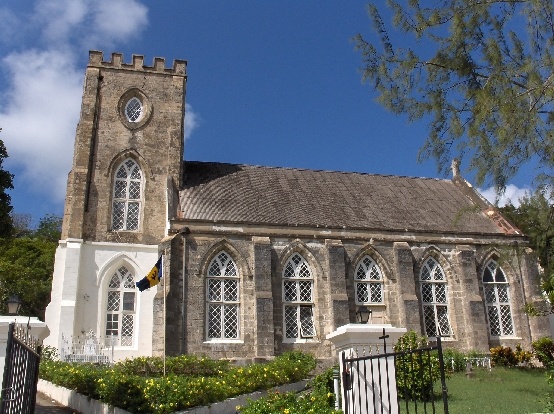

A churchyard can tell you a great deal before you ever step through the door. Look at the weathered coral-stone graves, the old family names, the trade-wind-bent palms, and the elevated ground chosen long before modern roads existed. The historic churches of Barbados are not simply pretty stops for architecture fans. They are living landmarks that hold stories of settlement, enslavement, faith, resistance, emancipation, hurricanes, and the communities that still gather there each week.
For visitors who want to see more than a resort strip, these churches offer a thoughtful way into the real island. Some sit amid the bustle of Bridgetown. Others wait at the end of quiet country roads, above cane fields or looking out toward the Atlantic. Each asks you to slow down a little – which is not a bad thing on a Barbados vacation.
Why Barbados’s Churches Matter
Barbados was England’s first major permanent settlement in the Caribbean, and the Anglican parish system became central to how the island was organized. The island’s eleven parishes were not just lines on a map. Each parish church served as a religious center, a meeting point, and, historically, a place where births, marriages, burials, property, and social standing were recorded.
That history has difficult layers. Many early churchyards contain the graves of plantation owners and colonial officials, while the wealth that supported parts of the colonial system was built on the forced labor of enslaved Africans. Churches also stood within communities shaped by Black Barbadians whose labor, faith, family life, and determination carried the island through its most challenging eras. A respectful visit means appreciating beautiful stonework without skipping the fuller story behind it.
The buildings themselves have had to be resilient. Hurricanes, fires, earthquakes, salt air, and time have repeatedly damaged or destroyed earlier structures. What you see today is often the latest chapter in a much older site, not a museum frozen in one date.
Historic Churches of Barbados to Put on Your Route
St. Michael’s Cathedral, Bridgetown
At the heart of the capital, St. Michael’s Cathedral is one of the island’s most significant Anglican landmarks. The present cathedral dates from the late 18th century, following a hurricane that destroyed an earlier church on the site. Its coral stone exterior and distinctive tower make a striking contrast with the movement of central Bridgetown around it.
This is an especially worthwhile stop for cruise visitors and anyone spending time in UNESCO-listed Historic Bridgetown. Rather than treating it as an isolated photo stop, take a moment to notice its place in the city’s historic fabric. Nearby streets, public spaces, commercial buildings, and former military and civic sites reveal how Bridgetown developed as a major Atlantic port.
Inside, the atmosphere is usually calm and dignified, even when the city outside is busy. Check opening hours before planning a visit, as services, events, and church operations come first. That is part of the point: this is an active place of worship, not a staged attraction.
St. Mary’s Church, Bridgetown
St. Mary’s Church, also known as the Church of St. Mary the Virgin, is one of Bridgetown’s most recognizable religious buildings. Its Gothic Revival style and solid coral-stone presence make it easy to spot, but its location tells an equally compelling story. The church stands in a part of town tied to commerce, working life, and the daily rhythm of old Bridgetown.
The current building was completed in the 19th century after earlier structures were lost to natural disasters. Like much of Barbados, it is a reminder that rebuilding is woven into the island’s character. Pairing St. Mary’s with a walk through areas such as Cheapside and Swan Street gives visitors a better feel for the capital as a place where heritage is still lived, traded, argued over, and celebrated.
St. James Parish Church, Holetown
St. James Parish Church carries an important claim to fame: it stands near the site where English settlers first landed in 1625. The parish church was established soon after, and while the present structure is later than the original, the site remains deeply connected to the beginning of English colonial Barbados.
The church is graceful rather than grand, with a peaceful churchyard and a setting that feels noticeably different from Bridgetown. It is a good stop for travelers staying along the west coast who want a meaningful break from beach time. The historic context is the real draw here, though the grounds are lovely too.
Spend a few minutes reading the memorials if they are accessible. They offer clues to the social hierarchy of the colonial period, as well as the long continuity of families and congregations in this part of the island.
St. John Parish Church, the Atlantic Side
If you only visit one church for its setting, make it St. John Parish Church. Perched high above the island’s eastern landscape, it looks across a dramatic sweep of hills and Atlantic coast. The views are impressive, but this is not a church that needs scenery to do all the work. Its history reaches back to the 17th century, although the present building was constructed in the 19th century after earlier churches were damaged by hurricanes.
The churchyard includes the grave of Ferdinando Paleologus, said to be a descendant of the Byzantine imperial line. It is one of those wonderfully unexpected Barbados details that makes a guide smile and a history-minded traveler pause.
Getting here is part of the experience. The roads rise and curve through the countryside, and the breeze is often stronger than on the sheltered west coast. If you are exploring by vehicle or joining a guided island route, allow time to enjoy the surrounding parish rather than rushing in and out for a single photograph.
St. Andrew Parish Church, Scotland District
In Barbados’s lush and geologically distinctive Scotland District, St. Andrew Parish Church offers a quieter kind of beauty. The current church dates to the mid-19th century, but the parish itself is among the oldest on the island. Its setting feels rural and restful, with rolling terrain that makes you understand why Barbados is much more than flat beaches and turquoise water.
This is a fine church to include on a day that also takes in the east and northeast. Conditions can change quickly in this part of the island, from bright sunshine to a brief tropical shower, so carry water and a light rain layer. The reward is a side of Barbados many visitors never encounter from a coach window.
St. Lucy Parish Church, Northern Barbados
St. Lucy Parish Church is another rewarding stop for travelers drawn to the island’s less crowded north. The parish has a long history, and the existing church reflects the rebuilding that followed storm damage to previous structures. Its elevated position and peaceful grounds give it a distinctly local, unhurried feel.
A visit here works best when combined with northern scenery rather than as a stand-alone mission. This is the kind of place that makes sense on a thoughtfully planned day out: a churchyard, a village road, a coastal viewpoint, and a conversation with someone who knows the parish well. Barbados reveals itself in those combinations.
What to Notice Beyond the Architecture
Coral stone is one of the great visual signatures of Barbadian historic buildings. It can look soft and luminous in morning light, yet it has endured centuries of heat, rain, wind, and salt. On many churches, look for differences in masonry or additions that hint at repairs and rebuilding.
Churchyards deserve the same attention as the sanctuary. Memorial inscriptions can reveal occupations, family networks, military connections, and the hazards of island life. Some stones are difficult to read, and some areas may be closed for maintenance or safety. Please do not climb walls, lean on tombs, or treat graves as props for vacation photos.
Also listen for what is absent. Colonial-era memorials often preserve the names of people with wealth and status while telling far less about the African-descended majority whose work sustained the island. That silence is part of the historical landscape. A knowledgeable local guide can help connect the formal records to the wider Bajan story.
A Respectful, Easygoing Way to Visit
Dress modestly when entering a church, particularly during services. Shoulders and knees covered is a sensible rule, and hats should come off indoors unless they are part of religious practice. Keep voices low, ask before taking interior photographs, and give congregants plenty of space.
It also pays to plan around the island’s heat. Early morning is comfortable for walking around Bridgetown, while countryside churches are especially pleasant when paired with scenic stops and a relaxed lunch. Sundays may offer the chance to hear worship and music, but they are not ideal for sightseeing access. It depends on the church, its service schedule, and what is happening in the parish that day.
For visitors who prefer the history with a little fresh air, eBike Barbados can help make the island’s rural landscapes and heritage stories feel accessible without turning the day into an athletic ordeal. Pedal assist is a welcome friend on Barbados’s rolling roads, especially when a beautiful old church happens to be at the top of a hill.
Leave room in your itinerary for an unplanned pause: a church bell, a view over the cane fields, a caretaker sharing a local detail, or a cool corner of a centuries-old sanctuary. Those are often the moments when Barbados feels closest.