8 Best Dive Experiences in Barbados; To Each Their Own

The first thing many visitors notice underwater in Barbados is not just the colour – though the water can be a startling blue – but the contrast. One moment you are floating over a quiet coral garden in the island’s protected west-coast waters; the next, a reef wall drops away, a sea turtle slips past, or the outline of a wreck appears below. The best dive experiences in Barbados are varied enough to reward first-timers, returning certified divers, and travelers who want a meaningful look beneath the beach postcard.
Barbados is a coral limestone island with two distinct personalities at sea. The Caribbean-facing west and southwest coasts are generally calmer and better sheltered, while the Atlantic-facing east coast is dramatic, energetic, and often better appreciated from land. That geography matters when choosing a dive day. A good local operator will select sites according to weather, current, visibility, and your comfort in the water – not simply a fixed checklist.
1. Swim Through History at Carlisle Bay Shipwrecks
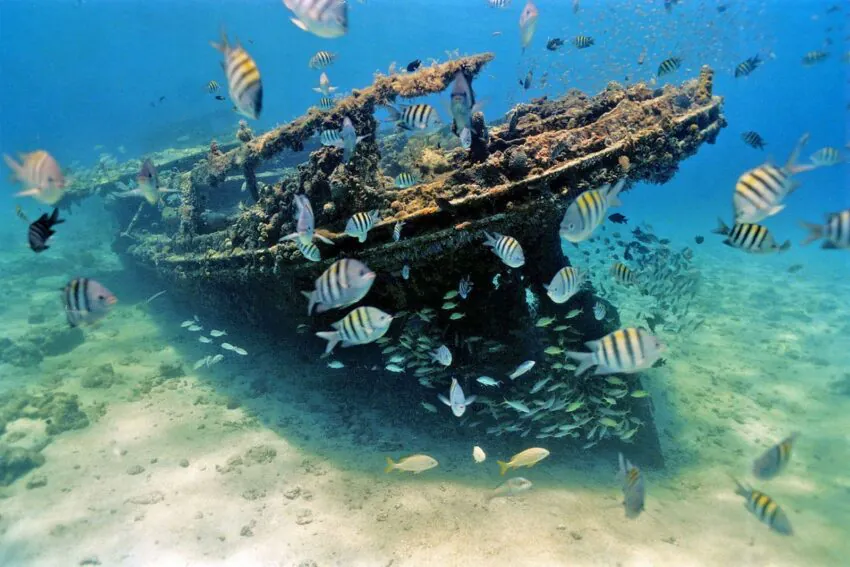
Carlisle Bay, just outside historic Bridgetown, is one of the island’s standout underwater areas. Several wrecks rest in relatively shallow water, creating an accessible underwater neighborhood where divers can see schools of fish moving through masts, holds, and open passageways. The sites have become artificial reefs, so the wrecks feel less like museum pieces and more like busy marine habitats.
This is often an excellent choice for newer divers and travelers short on time, especially cruise guests. Conditions are frequently calm, depths can be manageable, and the experience pairs naturally with a day around Bridgetown’s harbor and UNESCO-listed historic center. Still, “easy” does not mean automatic. Divers should be honest about their certification level, buoyancy, and comfort around enclosed spaces. Looking at a wreck from outside is very different from entering one, and penetration should only be done with appropriate training and guidance.
Expect to spot trumpetfish, sergeant majors, parrotfish, and, with luck, sea turtles. Visibility changes with wind and recent rainfall, so keep your expectations flexible. The wrecks are wonderful on a bright morning, but Barbados is not a theme park – the sea calls the shots.
2. Drift Along the Reefs of the West Coast
The west coast is where many visitors find the relaxed Caribbean dive they imagined: warm water, gentle movement, reef fish in every direction, and sandy channels between coral formations. Sites along this coastline can suit a broad range of experience levels, depending on depth and current.
A drift dive here is less about racing along and more about letting the water do some of the work while you keep your buoyancy tidy and your eyes open. Look closely rather than only scanning for the big stars. Moray eels may peer out from crevices, spotted drums flicker near reef structure, and tiny juvenile fish gather around soft coral and sponges.
For photographers, early dives can be especially rewarding because the light is softer and marine life is often less disturbed. If you are traveling with a mixed-experience group, ask whether the operator can divide divers by comfort level or choose a reef that works for everyone. Nobody enjoys being rushed, and nobody wants to spend a vacation dive wondering whether they are holding up the boat.
3. Meet Barbados’s Sea Turtles Respectfully
Green and hawksbill turtles are among the island’s most memorable sightings. They are often seen around reefs, wrecks, and coastal feeding areas, particularly on the calmer side of the island. Seeing one glide through clear water has a way of quieting even the chatty members of a dive group.
The best encounter is the one you do not force. Keep a respectful distance, avoid blocking a turtle’s path to the surface, and never touch or feed wildlife. A turtle may seem unbothered by people, but that is not an invitation to crowd it for a selfie. Give it space and let the moment happen naturally.
This is also a useful reminder that responsible diving goes beyond choosing reef-safe sunscreen. Good buoyancy protects fragile coral. Taking nothing but photographs protects the site for the next visitor. Choosing a small, safety-focused operator helps keep the day personal rather than turning wildlife into a production.
4. Try a Discover Scuba Experience Before Committing to Certification
You do not need a certification card to see Barbados underwater. Many visitors begin with a supervised introductory experience in shallow, calm conditions. It is a practical option for couples or families where one person is certified and another is curious but not ready to sign up for a full course.
The trade-off is depth and independence. An introductory participant stays closely supervised and will not have the same range as a certified diver. But for many people, that is exactly right. You can practice breathing through a regulator, learn a few basic skills, and decide whether scuba feels exciting, peaceful, or, quite fairly, not your cup of tea.
Do not book this experience on the same day as a flight. The same goes for certified diving: allow appropriate surface time before flying, following the guidance of your dive professional and training agency. Barbados may run on island time in some lovely ways, but safe dive planning should be wonderfully boring and precise.
5. Look for Night-Diving Opportunities
A familiar reef becomes a different world after sunset. Night dives can reveal creatures that stay hidden during the day, including lobsters, crabs, sleeping fish, and more active eels. Your dive light narrows your attention, making every coral head feel like a small stage.
Night diving is best for divers who are already comfortable with their equipment and buoyancy. It is not necessarily difficult, but darkness adds a layer of task loading. If you are newly certified, ask the operator whether a twilight dive, refresher, or guided night experience is a sensible next step.
The reward is the atmosphere. Above the surface, Barbados may be settling into dinner, music, and evening conversation. Below it, the reef is just getting on with its night shift.
6. Choose the Right Season – But Do Not Overthink It
Barbados offers diving year-round, with warm water and plenty of sunny days. The drier months, generally from December through May, often bring appealing conditions for travelers planning a full island vacation. The wetter season can bring more rain and occasional changes in visibility, while hurricane-season weather patterns require closer attention to forecasts.
That said, the “best” month depends on what matters to you. A traveler seeking reliably calm water may prioritize the sheltered coast and choose dates accordingly. A visitor who values lower crowds or has flexible plans may find excellent diving outside the busiest travel periods. Sea conditions can vary day to day, so build a little flexibility into your itinerary rather than scheduling every activity back-to-back.
7. Pair Your Dive Day With the Barbados Above Water
The sea tells only part of the island’s story. Bridgetown’s harbor has long connected Barbados to wider Atlantic trade, migration, military history, and commerce. Inland, old parish roads, cane country, cliff views, and plantation landscapes reveal a Barbados many beach-only visitors miss.
After a morning underwater, consider slowing down rather than rushing to the next lounger. Walk historic Bridgetown, sample local food, or head toward the rugged east coast, where Bathsheba’s rock formations and Atlantic surf offer a striking contrast to the west coast’s calmer waters. If you want to explore those landscapes without navigating unfamiliar roads, eBike Barbados offers guided, small-group adventures with island-wide pickup, knowledgeable local storytelling, and routes built around the real island beyond resort gates.
8. How to Plan the Best Dive Experiences in Barbados
Book certified diving early if you are traveling during a busy holiday period, but leave room to adjust for weather. Bring your certification card or digital proof, logbook if you keep one, and any personal gear that makes you more comfortable, such as a mask that fits your face perfectly. Most operators provide core rental equipment, but confirm what is included before you arrive.
Tell the team about recent dives, medical considerations, anxiety in open water, and whether you have been out of the water for a while. A refresher is not an admission of defeat. It is smart preparation, especially when your goal is to spend less time thinking about skills and more time watching a turtle disappear into blue water.
Barbados rewards travelers who look beyond one version of the island. Spend time under the surface, then make room for the ridges, historic streets, and welcoming communities above it. That is where a good vacation becomes a story worth bringing home.