History of Bridgetown in Barbados Through Bajan Eyes
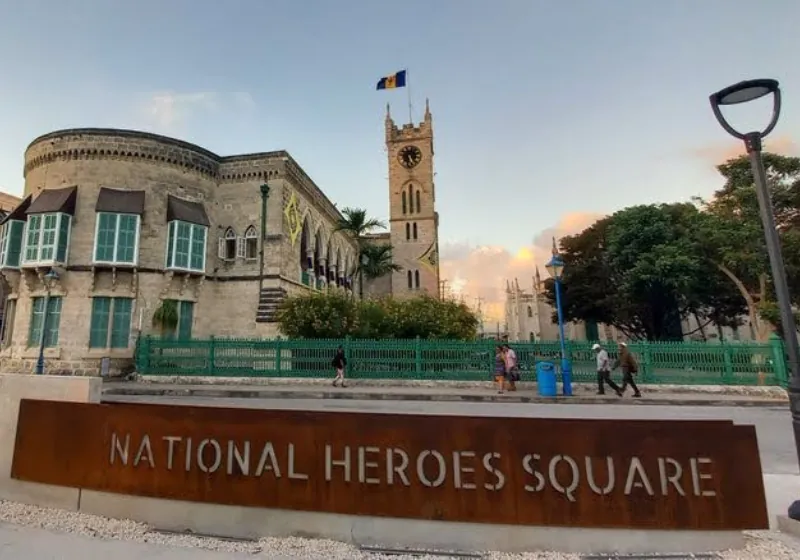

The history of Bridgetown in Barbados is not tucked away behind museum glass. It is in the salt air along the Careenage, the bustle of Swan Street, the old coral limestone buildings, and the people who still make the capital feel properly Bajan. For visitors arriving by cruise ship or staying along the coast, Bridgetown can look like a quick stop between port and beach. Slow down a little, though, and you will find a city shaped by Indigenous connections, colonial ambition, African resilience, trade, faith, protest, and the everyday ingenuity of Barbadians.
A Harbor Town Built for Trade
Bridgetown grew around what is now called the Careenage, a sheltered waterway where vessels could be repaired, loaded, and sent back out across the Atlantic. Long before the English settlement of 1628, Barbados was connected to Indigenous Caribbean movement and settlement. By the time the English arrived, the island had no large permanent Indigenous population, but the land and sea routes that made Barbados valuable had long been understood.
The early English settlement was first known as Indian Bridge, a reference to a bridge structure found near the swampy river crossing. The name Bridgetown came later, and it stuck because bridges mattered here. They connected a busy port, commercial streets, and neighborhoods divided by waterways and marshland.
Its position made Bridgetown a natural trading center. Ships brought manufactured goods and people to the island, then departed with sugar, rum, molasses, and other exports. The harbor gave the town its purpose, but sugar gave it immense wealth. That wealth, of course, came at a devastating human cost.
Sugar, Enslavement, and the City Behind the Plantation Story
You cannot understand Bridgetown without understanding slavery. Barbados became one of England’s most profitable sugar colonies in the 17th century, and enslaved Africans supplied the labor that made the plantation economy possible. Bridgetown was the commercial engine behind that system: a place of warehouses, merchants, auctions, shipping agents, craftsmen, markets, and government offices.
The city was also a place where enslaved and free Black Barbadians created lives, communities, skills, faith traditions, and forms of resistance in conditions designed to deny their humanity. The neat version of colonial history often focuses on grand buildings and trade figures. A more honest reading asks who built the roads, carried the cargo, prepared the food, worked the waterfront, and generated the wealth that paid for those buildings.
Emancipation began in 1834, followed by a period of apprenticeship that ended in 1838. Freedom did not suddenly bring equal access to land, political power, or economic security. Still, emancipation changed the city profoundly. Black Barbadians continued to shape Bridgetown’s markets, churches, businesses, neighborhoods, labor movements, and public life. The story is not only one of suffering. It is one of survival, leadership, and a determined refusal to be written out of the island’s future.
Historic Bridgetown and Its Garrison
In 2011, Historic Bridgetown and its Garrison became a UNESCO World Heritage Site. The designation recognizes something many Bajans have always known: this small capital has an unusually rich record of British colonial urban planning, military history, commerce, and Caribbean cultural exchange.
Bridgetown does not look like a frozen European city transplanted into the tropics. Its streets developed around a working port, narrow plots, tropical weather, local building practices, and a population far more diverse than old colonial narratives suggest. The result is a place where formal civic buildings sit close to market lanes, religious sites, and shops that still draw local crowds.
The nearby Garrison tells another side of the story. Built to protect British imperial interests in the eastern Caribbean, it became one of the region’s best-preserved military complexes. Its parade ground, barracks, and historic structures speak to an era when Barbados was a major military headquarters. Today, the space also carries a very Bajan contradiction: a former imperial landscape that has been absorbed into the living rhythm of an independent nation.
The Landmarks That Make the Past Feel Close
A good walk through Bridgetown is less about racing from plaque to plaque and more about noticing how each place connects to another. Start around National Heroes Square, formerly Trafalgar Square, where public ceremonies, political moments, and daily city traffic meet. The name change matters. It shifts the focus from imperial memory to Barbadians whose work and courage helped define the nation.
Follow the Careenage and you can picture the waterfront as a working artery rather than a postcard backdrop. Boats still bob in the water, but the channel once carried the commercial urgency of an Atlantic colony. Nearby bridges have been rebuilt and altered over centuries, yet the crossing remains central to how the city is understood.
St. Mary’s Church is one of the places that reveals Bridgetown’s long religious history, while the Nidhe Israel Synagogue and its surrounding area reflect the contribution of Barbados’s Jewish community. Sephardic Jews arrived in the 17th century, bringing commercial knowledge and religious traditions that became part of the island’s wider story. These sites are reminders that Bridgetown has never been culturally one-note.
Then there is Cheapside Market, where history is best understood with your senses switched on. Vendors, produce, seasoning, fish, conversation, and a bit of friendly commentary all tell you this is not a display created for visitors. Markets have long been essential social and economic spaces for Barbadians, especially for women traders whose work sustained families and communities through difficult times.
Swan Street offers another kind of evidence. It is a commercial street, yes, but it also shows how a historic center remains useful when people still come to shop, meet, eat, and get things done. Heritage is not only the handsome façade. It is the life happening around it.
Independence Changed the Meaning of the City
Barbados gained independence from Britain in 1966, and Bridgetown became the capital of a sovereign nation. That political change gave new meaning to familiar public spaces, government buildings, and monuments. The city was no longer simply an administrative center for colonial rule. It became the center of Barbadian democracy, national debate, celebration, and self-definition.
In 2021, Barbados became a republic, another landmark in that continuing journey. The transition did not erase the island’s British influences, nor should it erase the complex history visible in Bridgetown. It did, however, make a clear statement about who holds the center of the national story.
For visitors, this is where local interpretation makes a difference. A guide can point out a building date. A Bajan guide can also explain why a renamed square, a market stall, a churchyard, or an old bridge still carries feeling. History is rarely neutral when it happened to your grandparents’ grandparents.
How to Experience Bridgetown Respectfully
Bridgetown is compact enough to explore on foot, but it is a working capital with heat, traffic, uneven sidewalks, and busy commercial hours. Comfortable walking shoes, water, sun protection, and a little patience go a long way. Morning is often the most comfortable time to walk, especially for cruise guests managing a ship schedule.
Give yourself permission to look beyond the obvious landmarks. Ask about the Careenage. Notice the names of streets and squares. Spend time near Cheapside rather than treating the city as a quick transfer point. If you visit a church, synagogue, market, or memorial, remember that these are meaningful community spaces, not just photo stops.
A small-group historic walk can be especially helpful if you want the layers explained without feeling herded through town. At eBike Barbados, our guides keep the atmosphere easygoing, but we do not skim over the hard chapters. The aim is to make Bridgetown feel legible: its harbor, people, architecture, faith communities, commerce, and national pride all connected in one remarkable place.
Bridgetown Is Still Writing Its Story
The best way to leave Bridgetown is with a little curiosity still intact. Have a look at the old buildings, certainly, but listen for the conversations in the market and watch the city move around you. The capital’s past is not a finished tale. It lives in the people who work, worship, trade, celebrate, and tell Bajan stories there every day.