Why Barbados Black Belly Sheep Belong to the Island
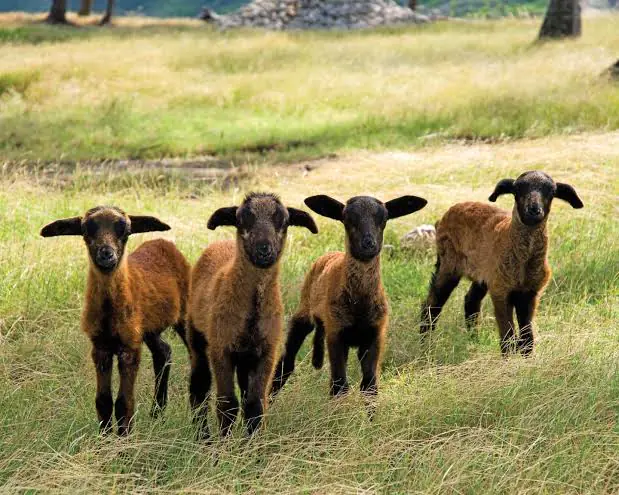

A flash of chestnut brown in a cane-field pasture, a dark stripe beneath the tail, and a calm glance toward the road: you may have just met one of the island’s quiet originals. Barbados black belly sheep are not a staged attraction or a novelty brought in for visitors. They are part of the working countryside, shaped by the same heat, wind, rain, and rough ground that give Barbados its character.
For travelers who want to see more than resort corridors and postcard beaches, spotting these sheep can be one of those small, memorable island moments. It is a reminder that Barbados is still a living agricultural landscape, with farmers, grazing fields, old estate lands, and rural communities beyond the busy coast.
What Makes Barbados Black Belly Sheep Different?
The Barbados Blackbelly is a hair sheep breed developed on the island. Unlike wool breeds associated with cooler climates, these sheep have a sleek hair coat that suits tropical weather. They do not need the routine shearing that wool sheep require, and they are known for coping well with heat, humidity, parasites, and variable pasture conditions.
Their name provides the main clue to their appearance. Many have a rich tan, red-brown, or fawn body with black markings along the belly, under the tail, around the face, or down the legs. The markings vary from animal to animal, so do not expect every sheep to look like it stepped out of the same family portrait. Ewes are usually hornless, while rams may carry impressive curved horns.
Their athletic, lean build makes sense when you see the terrain they call home. Barbados is not flat from end to end. Inland lanes rise and fall, gullies cut through the landscape, and the Atlantic side can be breezy enough to rearrange your hair before the first photo is taken. These sheep are built for an island where pasture is often sun-drenched, uneven, and edged by scrub or cane.
A Breed With Global Influence
The Barbados Blackbelly has traveled far beyond its home island. Farmers in other warm regions value the breed for its hardiness, maternal instincts, and ability to thrive without the intensive inputs demanded by some commercial sheep breeds. Crosses involving Barbados Blackbelly blood are also common in sheep production, especially where producers want animals better suited to hot climates.
That worldwide reputation is worth appreciating, but the most meaningful place to encounter the breed is still here, in an ordinary Barbadian field. A small flock grazing near an old stone wall tells a richer story than a livestock fact sheet ever could.
Barbados Black Belly Sheep and the Rural Landscape
Seeing sheep in Barbados is often connected to a bigger picture: the island’s agricultural history. For centuries, land beyond the towns was organized around plantations, provision grounds, grazing areas, and sugar production. Sugar cane remains a defining sight across many rural districts, but the countryside has never been only about cane. Food crops, livestock, fruit trees, and kitchen gardens have long helped sustain communities.
Today, that landscape is still changing. Some former estate lands have new uses, while other areas remain green, open, and wonderfully unhurried. Sheep grazing in a field can seem like a simple scene, yet it speaks to the persistence of farming traditions in a place many visitors know only for sea and sand.
You are more likely to notice them when traveling through quieter parts of the island rather than along the main tourist strips. The eastern and central countryside, ridge roads, and agricultural districts can offer those views, particularly on routes where there is time to look out the window instead of rushing from one major stop to another.
Do not treat that as a promise of a sighting. Livestock move between fields, farmers have work to do, and nature does not run on a cruise schedule. That is part of the charm. The real island is not a set with animals placed on cue.
How to Watch Sheep Respectfully in Barbados
The best encounters are low-key ones. View sheep from a public road or a designated path, keep voices calm, and give the animals room. A flock may look relaxed, but sudden movement, loud calls, or an eager attempt to get closer can unsettle it.
Never climb a fence, open a gate, enter private pasture, or feed an animal. Gates are not there to spoil a photograph. They protect livestock, define private property, and prevent a farmer from having a very long afternoon rounding up escapees. Keep children close near roads and pasture boundaries, too, since rural lanes can be narrow and traffic may appear around a bend.
Photography is usually easy from a respectful distance. A phone zoom or camera lens is kinder than stepping into a field. If a ram is present, admire the horns without testing the owner of them. Even a placid-looking animal deserves space.
A Good Reason to Slow Down
The Barbados Blackbelly is easy to overlook if your itinerary is built entirely around famous beaches, rum stops, and restaurant reservations. But travelers often remember the unscripted scenes: a farmer tending a field, a village shop opening for the morning, a green valley after a passing shower, or a small flock moving quietly through the grass.
That is why exploring with a knowledgeable local guide can make such a difference. A guide can point out what you might otherwise pass without noticing and explain how the landscape connects to Barbadian history, food, farming, and everyday life. At eBike Barbados, our relaxed, local-led excursions are designed around those connections, whether the day leads through country lanes, coastal views, or historic communities. The electric assist helps mixed-ability groups enjoy the hills together, while the guide handles the route, safety focus, and stories along the way.
Still, sheep are only one thread in a much larger tapestry. Look beyond the flock and you may see old coral-stone structures, breadfruit trees, grazing cattle, cane fields, and the changing colors of the island’s soils. Each detail carries a clue about how people have lived and worked here.
When You See a Flock, Look Twice
It can be tempting to label every brown sheep in Barbados a Barbados Blackbelly. In reality, livestock breeding is practical, and farmers may keep crossbred animals as well as recognizable purebreds. Coat colors and markings can differ, particularly among mixed flocks.
Rather than worrying about identifying every animal perfectly, use the moment to observe. Notice the short coat, the dark belly or leg markings, the shape of the ears, and the way the flock uses the field. Ask a local guide about what you are seeing if the opportunity arises, but avoid interrupting a farmer at work unless invited to chat.
The same advice applies to every bit of island wildlife and rural life: curiosity is welcome; entitlement is not. Barbados rewards visitors who move thoughtfully through it.
A glimpse of Barbados black belly sheep may last only a few seconds from a country road, but it can change the way you see the island. Slow down, keep a respectful distance, and let that little piece of rural Barbados be exactly what it is: real, resilient, and completely at home.